I was going from Sapporo to Hakodate, so I bought a five-day JR pass for 22,000 yen, which was quite expensive. But I was guaranteed a seat in the reserved area, so it was acceptable!
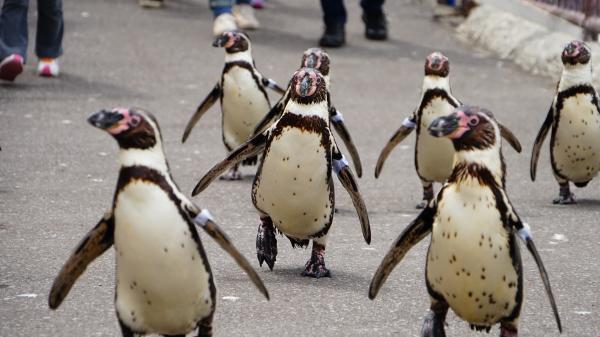
Buying tickets on your phone at the aquarium entrance was super convenient, saving you time queuing on-site. Just show your QR code to enter. The ocean view in the marine mammal park was beautiful, and the penguins and walruses were so cute and therapeutic.
The rest area was also very comfortable and convenient. A fantastic and well worth a visit!
Departing from Sapporo Station, the group consisted of 5 people. The driver, who also served as the leader, had a hard time driving, as the journey was long and the return to the Sapporo meeting point was required. Although the stops at each point were short, the smell of sulfur at Jigokudani (Hell Valley) was like rotten eggs. Lake Toya, according to the driver and guide, is an unfrozen lake with magnificent scenery. Showa Shinzan is an active volcano, and lunch was at our own expense. We could then decide how much time we had for eating, shopping, and sightseeing. Otaru has a quaint old-world charm and beautiful canal scenery. We could also manage our time for shopping, taking photos, and sightseeing before heading back to the pick-up point. The itinerary was tight, with long travel times, making it a rather whirlwind day trip.
The tour was conducted by minibus, with the guide also acting as the driver. Therefore, the guided tour wasn't very detailed; the driver primarily took tourists to the entrance of the attractions, after which tourists were responsible for their own exploration and returned to the pick-up point at the designated meeting time. Because bus schedules to Cape Kamui are unpredictable, a full-day trip was chosen. If you only want to visit Otaru for shopping, you can take the JR train. 1. The island's main beach is a small spot for taking photos; a 30-minute stop is recommended. 2. The round trip to Cape Kamui takes about an hour. There are stairs going up and down, and some sections of the trail are narrow. Be careful when passing other people as you may need to unload large bags. Bring water and a hat for sun protection, as there is no shade along the way. You can enjoy the beautiful blue waters of the Shakugan Islands. A 1.5-hour stop is recommended for this attraction. With occasional people exercising and taking photos, a round trip takes about an hour. Shakugan ice cream is available next to the visitor center (ticket required). 3. Otaru City: Since I wanted to spend more time shopping here, I didn't buy a boat tour. So, I spent about 3 hours here. It takes about 15 minutes to walk from the drop-off point to the shopping street. Walking along the Otaru Canal won't be too boring, and you can take some photos. However, 3 hours is not enough to properly explore Otaru. It also takes some time to walk to the Otaru Music Box Steam Clock at the end of the shopping street. There are many souvenir shops, glass museums, music box museums, restaurants, and unique shops such as Gikikawa. If you have a specific goal in mind, 3 hours is enough.
Anonymous user
Solo traveler
Best time to visit Otaru
Data source:Meteostat Last updated:2025-09
Weather in Otaru throughout the year
Spring (March–May): 2.5–13.2°C on average, the climate is cool, but there is more sunshine, with occasional showers. March is still chilly, April begins to warm up, and May is relatively mild. Common activities: flower viewing, walking along the canal. Recommended clothing: warm jacket, sweater, long pants.
Summer (June–August): 17.5–24.3°C on average, the climate is warm and humid, with occasional showers or thunderstorms. July and August are the hottest months, suitable for seaside activities. Common activities: seaside recreation, Otaru Canal boat tour, enjoying seafood. Recommended clothing: light and breathable clothing, short sleeves, light jacket.
Autumn (September–November): 6.0–19.8°C on average, the climate is comfortable and pleasant, but October has more rainfall. September has a mild climate, and November begins to cool down. Common activities: maple viewing, enjoying Japanese sake, visiting glass factories. Recommended clothing: light jacket, long-sleeved shirt, comfortable long pants.
Winter (December–February): -3.0–-1.7°C on average, the climate is cold and dry, with less snowfall, but occasional snowfalls. The temperature is low, and the wind is also stronger. Common activities: skiing (nearby areas), experiencing snow scenes, soaking in hot springs (nearby areas). Recommended clothing: thick warm jacket, hat, gloves, scarf.
Weather in Otaru
Annual average temperature: approx. 10°C / Annual rainfall: approx. 1402 mm / Summer humidity: 70%–80% / Rainiest month: October
Otaru weather by month
Month
Temperature (°C)
Rainfall (mm)
January
-3°C
155.5
February
-2.2°C
117.6
March
2.5°C
59.9
April
8.6°C
52.1
May
13.2°C
67.6
June
17.5°C
83
July
22.4°C
124.4
August
24.3°C
140
September
19.8°C
120.8
October
12.8°C
178.9
November
6°C
178
December
-1.7°C
124.7
7-day weather forecast for Otaru
11/17
Tuesday
Overcast
3.3°C/-2.2°C
11/18
Wednesday
Light drizzle
7.2°C/0.7°C
11/19
Thursday
Heavy snow
7.4°C/-3°C
11/20
Friday
Heavy snow
-3°C/-4.8°C
11/21
Saturday
Moderate snow
0.2°C/-3.9°C
11/22
Sunday
Moderate snow
-0.7°C/-4.5°C
11/23
Monday
Patchy rain nearby
3.5°C/-1.9°C
KKday App
Your Best Travel Buddy
Use the code APP5OFF to enjoy an exclusive in-app deal of 5% off (cap at USD$3) on your 1st orderScan here to download the app