



Tateyama Kurobe Alps Day Trip | All-inclusive (transportation, entrance fees, lunch, and dinner) | Departure from Nagoya
- A day trip through the Tateyama Kurobe Alps in Japan, offering breathtaking mountain scenery.
- Enjoy a variety of unique mountain transportation options while admiring the magnificent mountain scenery.
- Enjoy the majestic peaks and natural scenery along the way, and feel the awe-inspiring charm of nature.
- Explore the natural beauty of Murodo and experience the magnificent scale of the Kurobe Dam.
- The entire trip includes transportation, entrance fees, lunch, and dinner, making the itinerary time-saving and convenient.
Package Options


Product Info
Tateyama Kurobe Alpine Route Day Trip
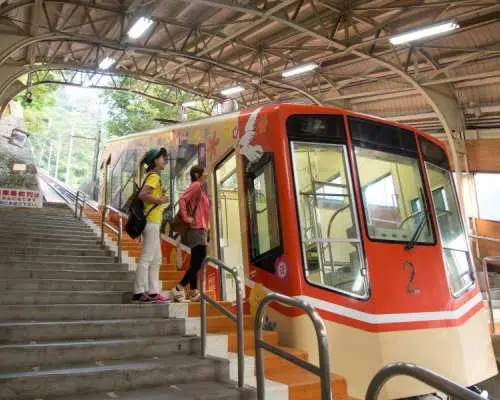
- Embark on a magnificent one-day journey through the Tateyama Kurobe Alps, starting from Nagoya! This route is one of Japan's most iconic mountain sightseeing routes, where you'll travel between the peaks of the Northern Alps, exceeding 3,000 meters in altitude, using various modes of transportation including cable cars, highland buses, tunnel electric buses, and aerial ropeways. Enjoy breathtaking mountain views along the way, culminating at the route's highest point, Murodo, where you can personally experience the grandeur of nature and the stunning Alpine scenery. A ride on the Tateyama Ropeway offers a breathtaking and unforgettable experience, allowing you to soar above the deep valleys.
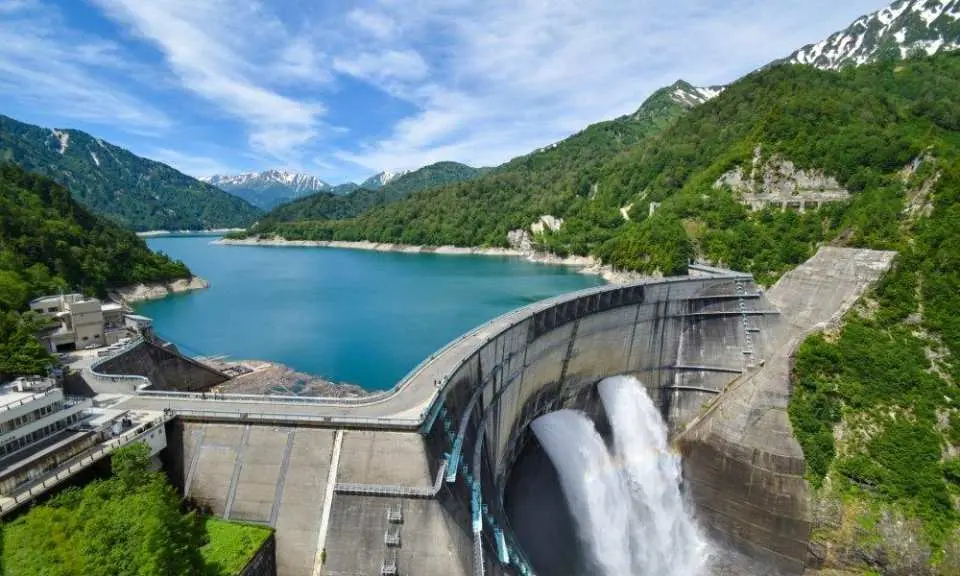
- The itinerary also includes a visit to Kurobe Dam, one of Japan's largest arch dams. Its magnificent scale and the surrounding lake and mountain scenery make it an unmissable highlight of the trip.
- This itinerary includes all transportation costs for the entire Alpine route, a bento lunch, and a rice ball dinner, allowing you to travel with ease and without any worries. Enjoy a comfortable round trip from Nagoya Station and explore some of Japan's most breathtaking mountain hidden gems in a single day!
- Itinerary Introduction -
【Tateyama Station】(Toyama side)
The starting point of the Tateyama Kurobe Alpine Route is located in Toyama Prefecture, serving as a gateway to the Alps. It is also the starting point for taking the Tateyama Ropeway, preparing for a magnificent mountain journey.
【Beautiful Girl at Ping Station】
The station, with its fairytale-like name, is surrounded by pristine forests and walking trails. The legend of the female cedar trees and the natural scenery near the station make it a popular stop for hikers and tourists.
Murodo Station
At an elevation of approximately 2,450 meters, it is the highest station on the route and a popular spot for enjoying the spectacular "Snowy Valley" scenery. In summer, visitors can stroll through the alpine botanical garden, while in winter, they can witness the magnificent snow wall landscape.
【Daguan Peak】
The observation deck offers a superb view, overlooking Lake Kurobe and the Tateyama mountain range. The journey up the Tateyama Ropeway is breathtaking, with stunning mountain and valley scenery.
【Kurobeira】
Located on a plain by Lake Kurobe, this area offers stunning views of the mountains reflected in the lake. It's also a transfer station for the Kurobe Ropeway, and the scenery here is tranquil and beautiful.
【Lake Kurobe】
Nestled amidst mountains, this emerald-green lake boasts a tranquil, mirror-like surface that reveals different charms in each season. A walking trail runs along the lake, making it the perfect place to relax and appreciate nature.
Kurobe Dam
One of Japan's most iconic arch dams, standing 186 meters tall, it is a magnificent sight. The dam's observation deck offers a panoramic view of the spectacular water release, making it a must-see highlight on the route.
【Senze】
The terminus of the Tateyama Kurobe Alpine Route is located on the Nagano Prefecture side. A bus terminal and tourist information center are located here, making it convenient for tourists to transfer and plan their subsequent itineraries.


Lunch Bento

Simple dinner rice balls
Purchase Notice
- Please note that the service will primarily be conducted in Japanese, and no attraction information will be provided. For groups of 15 or more foreign tourists, a guide fluent in both Chinese and English will be provided; however, for groups of fewer than 15, translation equipment will be used for explanations.
[Tourism Conditions]
Travel departure point and destination: Nagoya and Toyama
Trip duration: Same-day round trip
Transportation: Chartered bus
Bus company name: アクロス Osaka Bus / アルピコ Transportation / えびす Transportation / エムケイ観光バス/大川バス/Osaka 観光バス/Osakaコンビナートバス/Osaka No.1 Transportation/Osaka バス/Osaka バスKinki/Osaka Green Wind Sightseeing/Kansai Airport Transportation/Kansai Chuo Transportation/Kishiwada Sightseeing/Kokushin Railroad/Kokusai Kogyo Osaka/Kumano Mibo Nankai バス/ Sakai Daiichi Kanko/さやまTransportation/Shiga Kanko Transport/Shangdu Transport/Kamihime Kanko Transport/Central Transport Transport/Chongnichi Rinkai Navigation/Teisan Kanko Transport/Higashi Hiroshima Transport/Nara Kanko Transport/Nai Good Transportation/West Japan Transportation/Japan Transportation/Japan Water and Land Sightseeing/Hankyu Sightseeingバス/北港観光バス/明光バス/ヤサカ観光バス/ユタカ Transportation/両备バス
Meals included: 0 breakfasts, 1 lunch, 1 dinner
Minimum group size: 20 people
Team Leader: 1
Tour guide: 0
【Travel Planning/Implementation】
Operating Company Name: PC-TAKU Co., Ltd.
Address: Level 6, Suehiro Town, 5-2-3 Sokanda, Chiyoda-ku, Tokyo
License Number: Tokyo Governor's Registered Travel Agent No. 2-7301
Travel Association Name: National Travel Association Member
Reminders
A minimum of 20 traveler(s) are required for the tour to depart. If the number of participants does not reach the minimum requirement, the tour will be canceled. An email regarding tour cancellation will be sent 4 day(s) before the departure date
In the event of inclement weather such as typhoons or snowstorms, a decision on whether to cancel the tour will be made 1 day(s) before departure (local time 18:00). Notifications will then be sent via email
Travelers with the following conditions or other health issues that could be worsened by excessive stimulation should not participate in this activity: High blood pressure, Heart disease, Acrophobia, Asthma, Epilepsy, Pregnant women
Please arrive at the designated location 10 minute(s) before the scheduled departure time, as the tour will depart on time
Meals are not included for children under the age of 5
Children aged 0 to 1 are not permitted to participate as they cannot use bus seat belts.
Return travel time may vary depending on travel time and congestion for each mode of transport along the Alpine route.
The times shown in the itinerary are estimates; actual arrival and departure times may vary depending on traffic conditions.
Lunch was a Japanese bento box provided on the bus. Dinner was a simple meal such as rice balls.
If you do not return to the designated departure time for each destination on time, you will be considered to have left the team early.
If there are 15 or more foreign tourists, a guide who speaks both Chinese and English will be arranged to accompany them; however, if there are fewer than 15, translation equipment will be used for the explanation.
FAQ
1. What is the best season to visit the Tateyama Kurobe Alpine Route?
The Tateyama Kurobe Alpine Route is open from mid-April to late November, with each season offering unique scenery. The famous "Snow Wall" (Yuki-no-Otani) can be experienced from April to June. Summer (July-August) features lush greenery and pleasant temperatures for hiking. Autumn (September-November) showcases stunning fall foliage, particularly vibrant in late September to October. The ideal time depends on the natural spectacle you wish to see.
2. Is it feasible to experience the Tateyama Kurobe Alpine Route as a day trip?
Yes, experiencing the Tateyama Kurobe Alpine Route as a day trip is feasible, especially when joining a dedicated tour that departs from a major city like Nagoya. This type of product typically includes all necessary transportation, entrance tickets, and meals, allowing for a convenient round trip to key highlights such as Murodo and the Kurobe Dam within a single day.
3. What is the optimal daily visiting time for the Tateyama Kurobe Alpine Route to avoid crowds?
To potentially avoid the largest crowds on the Tateyama Kurobe Alpine Route, it is generally recommended to start your journey as early as possible in the morning, right when the first transportation options become available. This strategy allows you to reach popular spots like Murodo and the Kurobe Dam before midday, which is often when visitor numbers peak. Weekdays tend to be less crowded than weekends and public holidays.
4. Is the Tateyama Kurobe Alpine Route suitable for independent travelers, or is a guided tour recommended?
While independent travel along the Tateyama Kurobe Alpine Route is possible, it involves multiple unique transportation methods and requires careful planning for tickets and transfers across different sections. For maximum convenience and a stress-free experience, a guided tour, especially one departing from a major city, is highly recommended. Such tours typically handle all logistics, including transport, tickets, and meals.
5. What unique transportation methods can visitors experience along the Tateyama Kurobe Alpine Route?
The Tateyama Kurobe Alpine Route is renowned for its diverse and unique mountain transportation systems. Visitors can experience a cable car, a highland bus traversing stunning landscapes, and a tunnel electric bus through the mountain. Other modes include a ropeway offering panoramic views and a trolley bus through the Kurobe Dam tunnel, each providing a distinct way to appreciate the alpine environment.
6. What are the main attractions and natural highlights to see at Murodo on the Tateyama Kurobe Alpine Route?
Murodo, situated at an elevation of 2,450 meters, is a central and highly popular stop on the Tateyama Kurobe Alpine Route. Key highlights include the stunning Mikurigaike Pond, often reflecting the surrounding peaks, and the Jigokudani (Hell Valley) known for its volcanic activity. During the spring, Murodo is the prime location to witness the towering Snow Walls (Yuki-no-Otani), offering an unforgettable natural spectacle.
7. What makes the Kurobe Dam a significant point of interest on the Tateyama Kurobe Alpine Route?
The Kurobe Dam is a monumental structure and a key highlight of the Tateyama Kurobe Alpine Route. As Japan's tallest dam, it offers an impressive feat of engineering and stunning views of the surrounding Northern Alps. Visitors can walk across the dam to admire its vast scale and the emerald green waters of the reservoir. From late June to mid-October, spectacular water discharge events can be witnessed.
8. What is the significance of the "Alpine Route" designation for the Tateyama Kurobe area?
The "Alpine Route" designation for the Tateyama Kurobe area emphasizes its majestic mountainous landscape, often compared to the European Alps. It signifies a scenic and challenging route that traverses the Northern Japan Alps, connecting Toyama and Nagano prefectures. The route is characterized by its high altitudes, dramatic natural beauty, and the ingenious use of diverse mountain transportation systems to navigate the rugged terrain.


