
![[Departing from Nagoya, Japan] 2-Day Tour of Tateyama Kurobe Alps Route, Shirakawa-go Gassho-zukuri Village, Hida Takayama Old Town, Gunjo Hachiman Old Town, and Hot Springs (Summer Retreat/Autumn Foliage Viewing)](https://image.kkday.com/v2/image/get/c_fill%2Ch_800%2Cq_55%2Ct_webp%2Cw_1240/s1.kkday.com/product_scm_25678/20260628035412_Pu9UF/jpg)
![[Departing from Nagoya, Japan] 2-Day Tour of Tateyama Kurobe Alps Route, Shirakawa-go Gassho-zukuri Village, Hida Takayama Old Town, Gunjo Hachiman Old Town, and Hot Springs (Summer Retreat/Autumn Foliage Viewing)](https://image.kkday.com/v2/image/get/c_fill%2Ch_400%2Cq_55%2Ct_webp%2Cw_500/s1.kkday.com/product_scm_25678/20260628155517_1rmxP/jpg)
![[Departing from Nagoya, Japan] 2-Day Tour of Tateyama Kurobe Alps Route, Shirakawa-go Gassho-zukuri Village, Hida Takayama Old Town, Gunjo Hachiman Old Town, and Hot Springs (Summer Retreat/Autumn Foliage Viewing)](https://image.kkday.com/v2/image/get/c_fill%2Ch_400%2Cq_55%2Ct_webp%2Cw_500/s1.kkday.com/product_scm_25678/20260628035412_Um0b8/png)
![[Departing from Nagoya, Japan] 2-Day Tour of Tateyama Kurobe Alps Route, Shirakawa-go Gassho-zukuri Village, Hida Takayama Old Town, Gunjo Hachiman Old Town, and Hot Springs (Summer Retreat/Autumn Foliage Viewing)](https://image.kkday.com/v2/image/get/c_fill%2Ch_400%2Cq_55%2Ct_webp%2Cw_500/s1.kkday.com/product_scm_25678/20260628035412_4HIm6/jpg)
![[Departing from Nagoya, Japan] 2-Day Tour of Tateyama Kurobe Alps Route, Shirakawa-go Gassho-zukuri Village, Hida Takayama Old Town, Gunjo Hachiman Old Town, and Hot Springs (Summer Retreat/Autumn Foliage Viewing)](https://image.kkday.com/v2/image/get/c_fill%2Ch_400%2Cq_55%2Ct_webp%2Cw_500/s1.kkday.com/product_scm_25678/20260628034900_IYiCZ/png)
[Departing from Nagoya, Japan] 2-Day Tour of Tateyama Kurobe Alps Route, Shirakawa-go Gassho-zukuri Village, Hida Takayama Old Town, Gunjo Hachiman Old Town, and Hot Springs (Summer Retreat/Autumn Foliage Viewing)
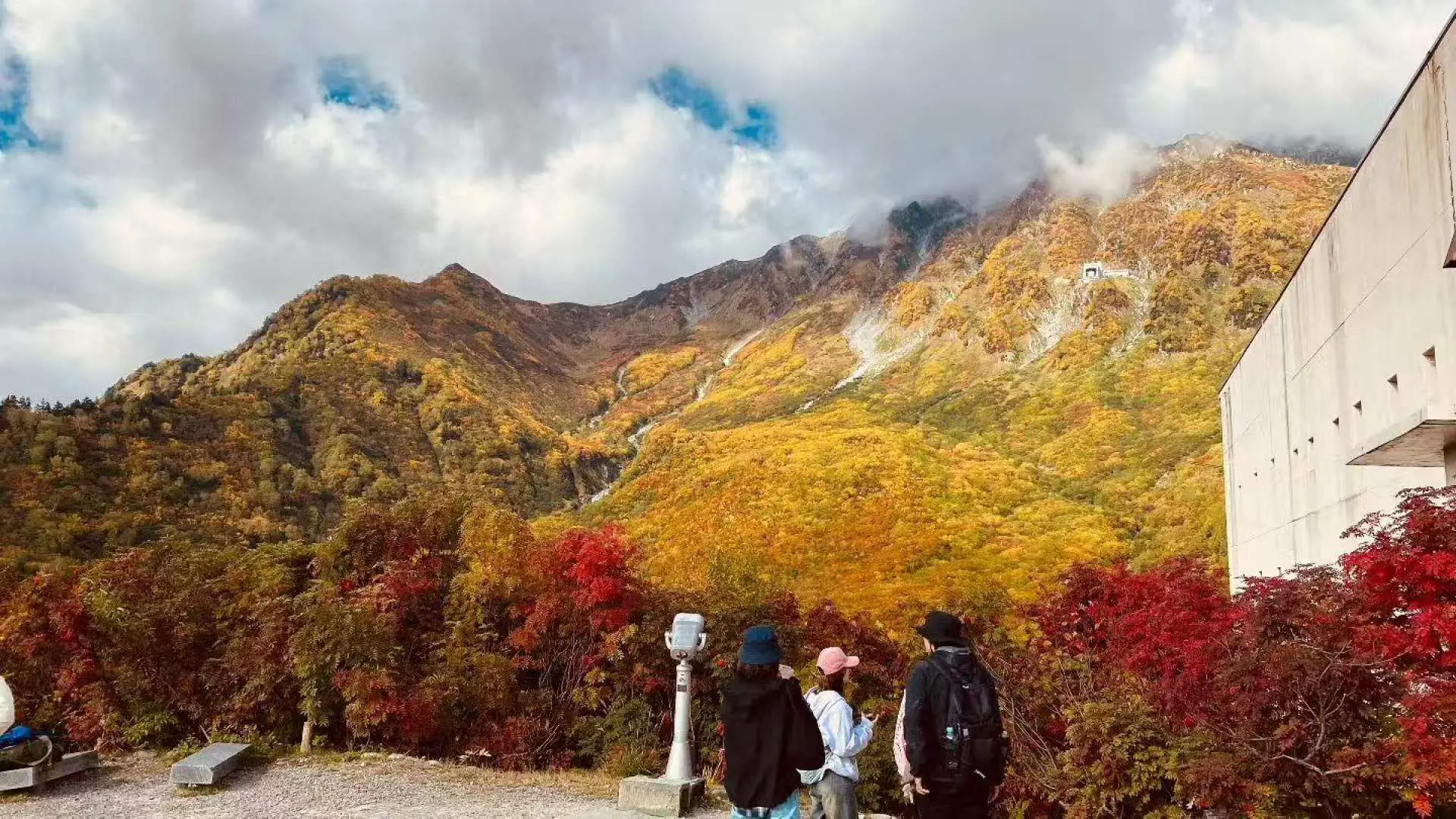
- The Tateyama Kurobe Alpine Route boasts magnificent mountain scenery, offering both summer retreats and stunning autumn foliage.
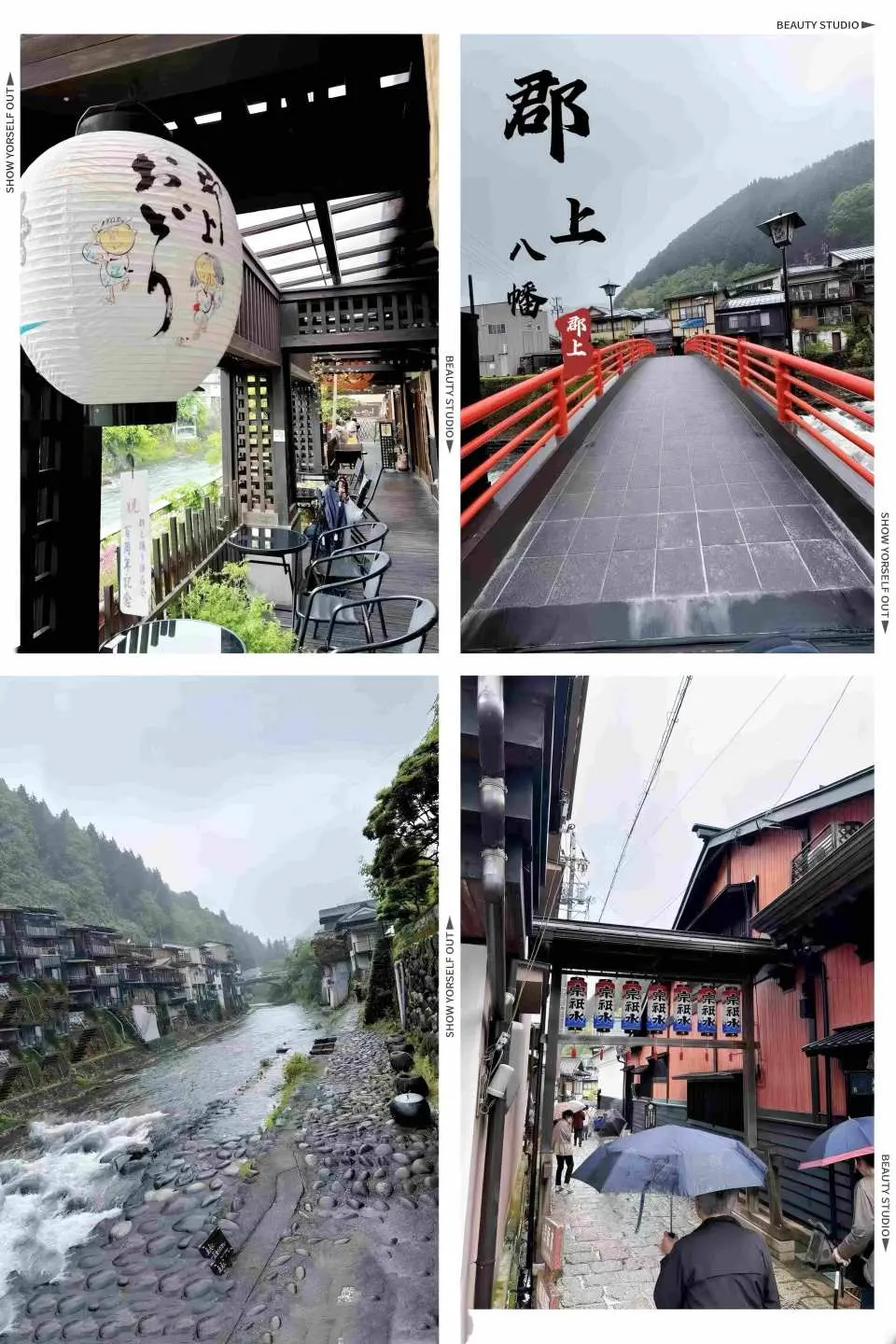
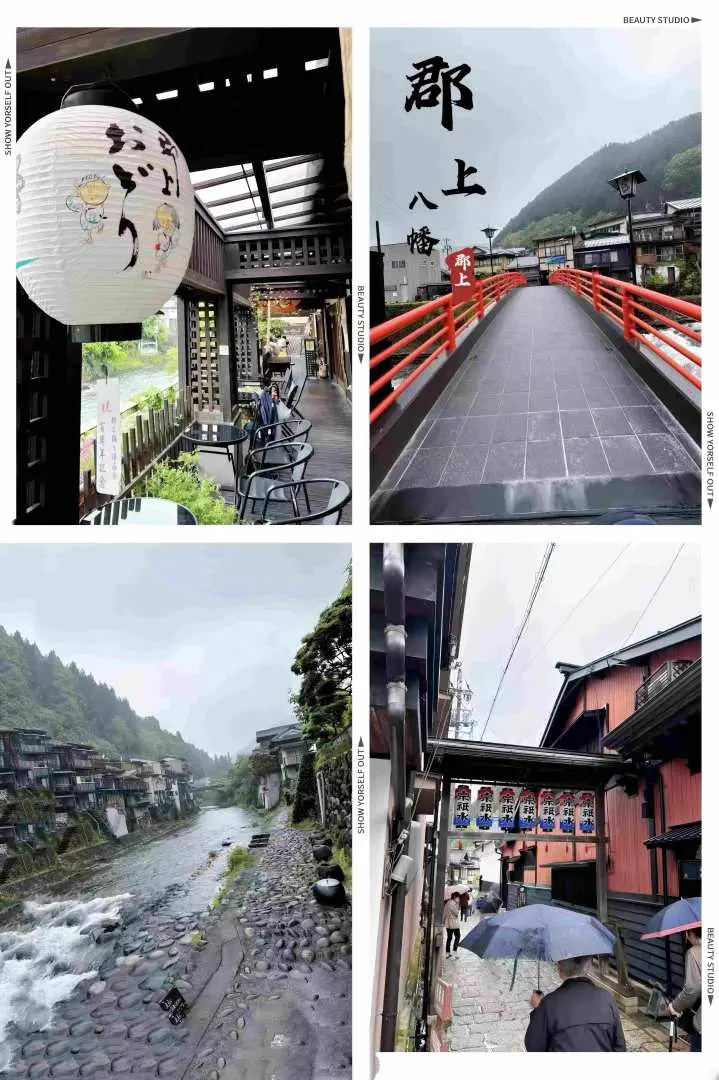
- Stroll through the historic streets of Gujo Hachiman, explore this water-themed town, and experience the nostalgic charm and tranquil atmosphere of the Edo period.
- Explore Shirakawa-go, a World Heritage Site, and admire the fairytale-like Gassho-zukuri houses, experiencing the charm of the blend of natural landscape and traditional culture.
- Wander through the old streets of Hida Takayama, savor local delicacies such as Hida beef, stroll along the ancient streets, and experience the sake brewery culture and Edo-era atmosphere.
- Enjoy a relaxing stay at a hot spring resort hotel, including breakfast and dinner, with comfortable accommodations and hot spring bathing time to enhance your travel experience.
Package Options


Product Info
The content of this product is provided by machine translation and may not reflect the actual information, please take this into consideration before booking.
Starting from Nagoya, embark on a two-day, one-night journey through the heart of central Japan, visiting popular attractions such as the Tateyama Kurobe Alpine Route, Shirakawa-go Gassho-zukuri Village, Hida Takayama Old Town, and Gunjo Hachiman Old Town. Check into a hot spring hotel and enjoy a sumptuous dinner and breakfast, immersing yourself in the natural beauty and historical culture of central Japan in a comfortable and relaxing atmosphere. On the first day, visit Gunjo Hachiman Old Town, known as the "Water Castle Town," strolling through well-preserved Edo-era streets and admiring the clear waterways and traditional townhouses. Then, visit Hida Takayama Old Town, freely sampling local delicacies such as Hida beef and immersing yourself in the rich historical and cultural atmosphere. In the afternoon, visit Shirakawa-go Gassho-zukuri Village, a World Heritage Site, admiring the fairytale-like Gassho-zukuri houses and the enchanting scenery that changes with the seasons. In the evening, check into a hot spring hotel and enjoy a relaxing soak. On the second day, travel along the Tateyama Kurobe Alpine Route, taking various unique mountain transportation options to traverse the Northern Alps of Japan, enjoying majestic mountain landscapes and highland scenery along the way. In summer, enjoy the cool and pleasant mountain climate, escaping the sweltering heat of the city; in autumn, admire the breathtaking scenery of vibrant red maple leaves and experience the most charming seasonal landscapes of central Japan. This itinerary combines natural landscapes, World Heritage sites, historic towns, gourmet food, and hot spring accommodations, making it ideal for travelers who want a relaxed and enjoyable trip to classic attractions in central Japan. Whether escaping the summer heat or admiring the autumn foliage, it promises unforgettable travel memories.
"Gungami Hachiman Castle Town": Designated as a National Important Preservation District for Traditional Buildings due to its "historical landscape where townhouses and water conservancy facilities are integrated", it retains the street layout and architectural style of the Edo period. Among them, "Sōji Water" is selected as one of the "100 Famous Waters of Japan". It is an underground spring with crystal clear water. Soji Water is divided into three layers. The layer closest to the water source can be used for drinking water, the next layer can be used for washing rice or chilling food, and the layer below that can be used for washing dishes.
Shirakawa-go Gassho-zukuri Village: This village offers different beautiful views in spring, summer, autumn, and winter. In spring, the fields gradually turn green, and the pink cherry blossoms add a touch of pink, creating a picturesque scene with the thatched houses, attracting countless photography enthusiasts. In summer, the rice paddies and farmlands of Shirakawa-go are lush and green, set against the blue sky and white clouds, forming a pastoral scene. In autumn, the thatched houses and layers of red leaves create a dreamlike picture. The winter snow scene is the most famous. Shirakawa-go is covered with thick white snow, and the entire Gassho-zukuri village appears pure and peaceful, like a fairy tale world.


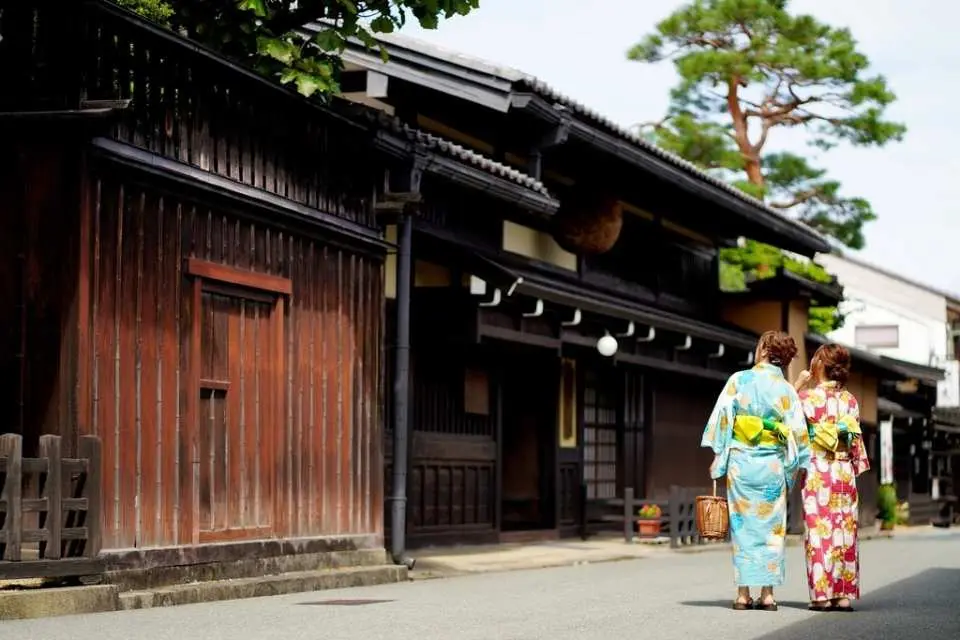
Takayama Old Town, known as "Little Kyoto of Hida and Takayama," preserves wooden townhouses over 300 years old, continuing traditional cultural traditions such as markets, sake cellars, and handicrafts, making it the core area for experiencing Takayama's history and culture. The Takayama Jinya is the only surviving Edo-period district magistrate's office in Japan, where visitors can tour the council chamber, the torture chamber, and other facilities, recreating the daily life of governance during the samurai era.

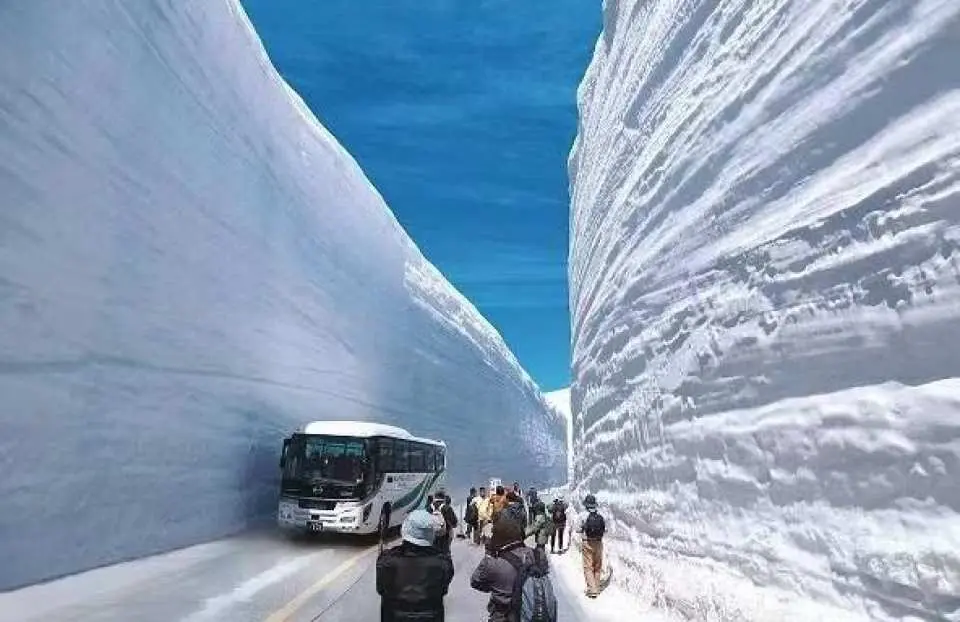
【Ōsetsu-dani (Snow Valley)】Tateyama is one of the world's most heavily snow-covered areas, with an average snow depth of about 7 meters. At its peak, the snow depth reaches 20 meters, equivalent to a ten-story building. Visitors can walk up to 500 meters along the breathtaking snow walls. Sledding is also available for snow activities. In April, snowplows can be seen clearing snow. Late April to June is the most spectacular time to visit. After July, the snow walls lower, but even in August, some snow remains, allowing for snow activities. Murodo and Midahara are still covered in snow, so waterproof shoes or rain boots are recommended. Sunglasses are also a good idea as the snow can be very bright.

Starting from Murodo, the heart of the Tateyama Kurobe Alpine Route, a 15-20 minute walk along the trail leads to the Jigokudani (Hell Valley) Observatory. Along the way, you can enjoy views of alpine vegetation, remnant snowscapes, and volcanic landscapes. The observation deck, situated on the Murodo Plain, offers the best vantage point for overlooking Jigokudani and gazing at the distant Tateyama mountain range. The sign for the Jigokudani Observatory on the Tateyama Kurobe Alpine Route shows a desolate yet magnificent volcanic landscape in the distance, highlighting the diverse scenery of Daisetsudani and the hidden highlands of the route.

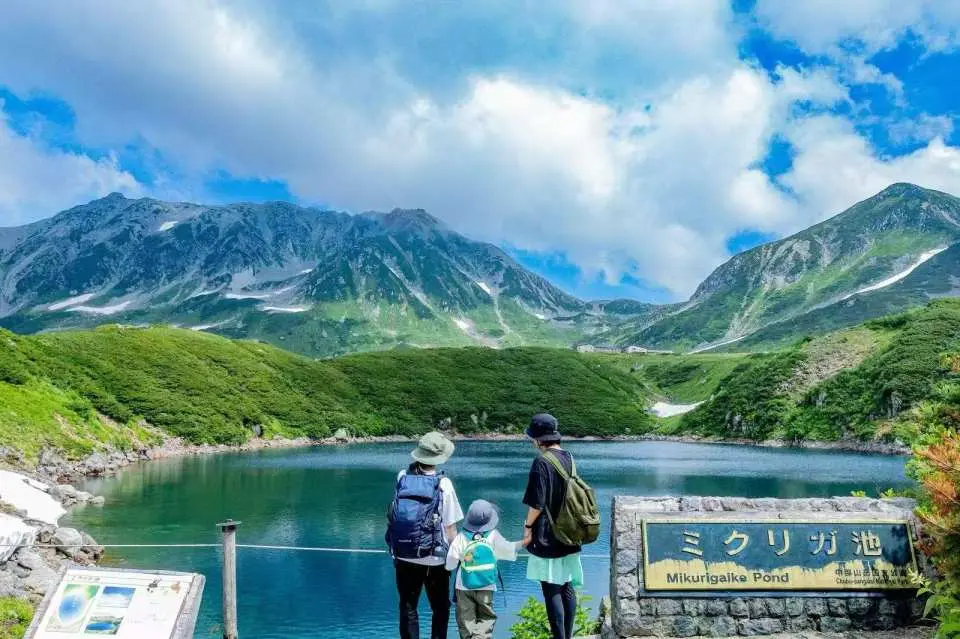
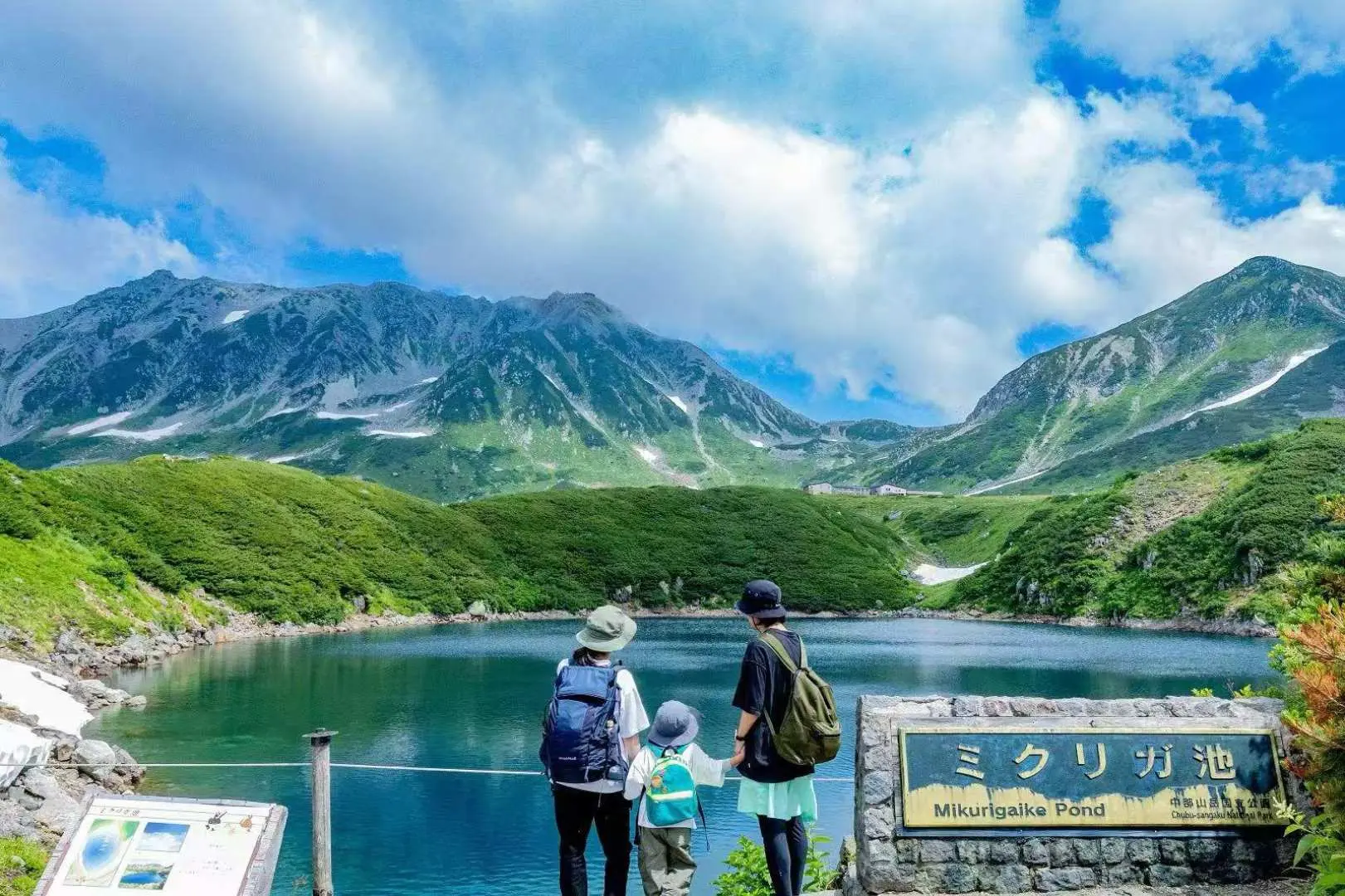
Mikurigaike (Mikurigaike Pond) boasts crystal-clear, deep blue waters that, on sunny days, act like a natural mirror, reflecting the Tateyama mountain range and the blue sky and white clouds—a truly breathtaking sight. The lake changes dramatically with the seasons: Late Spring/Early Summer (June): The lake begins to thaw, with remnants of snow mingling with the water, creating a stunning scene. Summer (July-August): Lush greenery abounds, with alpine plants blooming along the shore, making it a great time for hiking and photography. Autumn (Late September): The lake area turns red, reflecting the autumn leaves and snow-capped peaks. Winter (Mid-October onwards): The lake gradually freezes over, creating a magnificent, pristine white snowscape (closed after November). Legend: The lake's name, "Mikurigaike," means "Kitchen of the Gods," and it is said to be a sacred pond used to offer water to the deities worshipped in Tateyama. Frequent geothermal activity in the area, evidenced by sulfur fumes and geothermal steam, indicates that this is an active volcanic region.
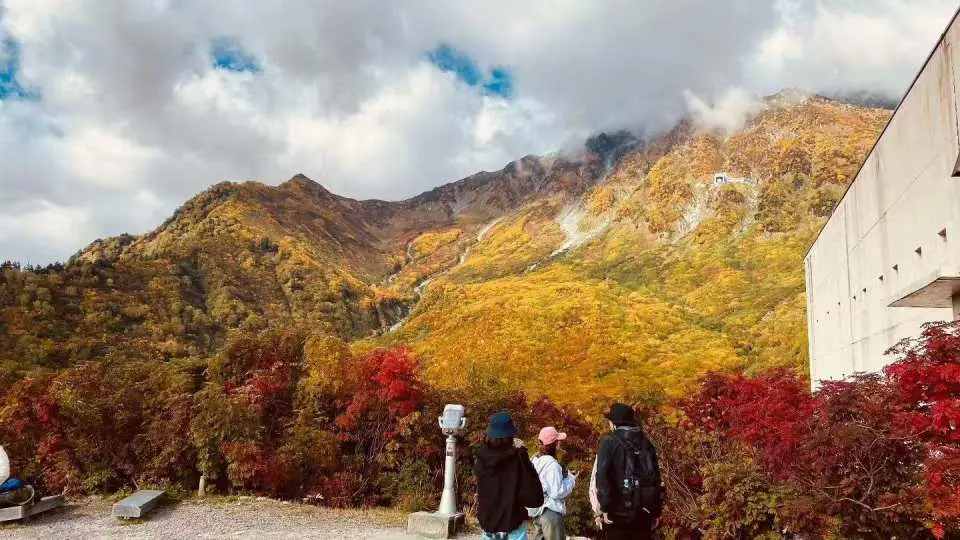
Kurobe-daira is a key viewpoint on the Tateyama-Kurobe Alpine Route, at an altitude of 1,828 meters. Surrounded by the peaks of Tateyama and Go-Tateyama, it is renowned for its panoramic mountain views, the lush greenery of Kurobe-daira, and the stunning vistas overlooking Lake Kurobe. It is also a prime spot for viewing alpine flora.
Purchase Notice
[Tourism Conditions]
Travel departure point and destination: Aichi, Gifu, Tateyama Kurobe
Trip duration: 2 days 1 night
Vehicle type: Chartered bus. Different vehicle types will be arranged according to the number of people. A group of 15 people is required to form a tour group.
Bus company name: AMA Transportation, etc.
Meals: Breakfast once, Lunch once, Dinner once
Accommodation: Toyama Royal Tonami Onsen Resort Hotel or similar
Minimum group size: 15
Team Leader: 1 (For groups of 15 or fewer, the driver will also serve as the team leader; for groups of 15 or more, other team leaders will be assigned)
Tour guide: 0
【Travel Planning/Implementation】
Operating Company Name: KKT Corporation
Address: No. 1770-23, Kashiwai-cho 1-chome, Kawa City, Chiba Prefecture
Travel Industry Registration: Chiba Prefecture Governor's Registration No. 2-1131
Reminders
A minimum of 15 traveler(s) are required for the tour to depart. If the number of participants does not reach the minimum requirement, the tour will be canceled. An email regarding tour cancellation will be sent 14 day(s) before the departure date
In case of delays caused by traffic, weather, or other force majeure factors resulting in the cancellation of some itinerary attractions, please contact customer service. We will arrange a partial refund for you
In the event of inclement weather such as typhoons or snowstorms, a decision on whether to cancel the tour will be made 1 day(s) before departure (local time 18:00). Notifications will then be sent via email
Travelers with the following conditions or other health issues that could be worsened by excessive stimulation should not participate in this activity: Heart disease, Acrophobia, Asthma, Epilepsy, Pregnant women
Please arrive at the designated location 15 minute(s) before the scheduled departure time, as the tour will depart on time
Room type is subject to availability and cannot be specified. Meals cannot be customized; if you are vegetarian, please indicate this in the remarks section when booking.
Infants under 1 year old who do not occupy a seat or bed can participate for free. Each adult can only bring one infant who does not occupy a seat or bed. If you are traveling with someone, please indicate this in the "Remarks" section when making a reservation.
Due to limited luggage storage space, each person is limited to one medium-sized suitcase per person free of charge, and two people are allowed to bring one large suitcase on board. If you have more than two pieces of luggage, please indicate this in the remarks column and contact customer service. Thank you for your cooperation.
Group tours do not allow cancellations midway. Mid-tour cancellation will be considered an abandonment of the unfinished itinerary, and no refund will be given. Please note that any accidents occurring after cancellation or mid-tour cancellation will be the sole responsibility of the traveler.
Transportation, sightseeing, and stay times related to the itinerary may be adjusted according to the situation on the day. In case of special circumstances (traffic congestion, weather conditions, etc.), the tour guide will reasonably adjust the order of sightseeing with the consent of the guests, but the number of attractions in the itinerary will not be reduced.
Please keep your passport and valuables safe during your trip. Any costs incurred due to loss, theft, or damage will be borne by the traveler.
Once an order is confirmed, the date cannot be changed without the customer's consent. Any losses incurred as a result will be the sole responsibility of the customer. Please contact us in case of any special circumstances.
This product may be subject to change due to weather or other factors. To ensure guest safety, the supplier reserves the right to request guests to cancel outdoor activities and to contact guests to make alternative arrangements based on the actual situation on the day.
If you have any special requests such as smoking/non-smoking rooms or allergy-related needs, please make a note in advance. The hotel will make the final arrangements, and we apologize that we cannot make specific requests.
FAQ
The Tateyama Kurobe Alpine Route offers distinct beauty throughout its open seasons. Spring (April-June) is famous for the towering Snow Walls. Summer (July-August) provides a refreshing escape from the heat with lush greenery and clear alpine views. Autumn (September-October) is ideal for vibrant fall foliage, painting the mountains in fiery reds and yellows. Each season presents a unique and captivating experience.
To fully appreciate the diverse landscapes and multiple modes of transport along the Tateyama Kurobe Alpine Route, a full day is generally recommended. The route spans several stations, each offering unique views and activities. Allocating ample time allows for leisurely exploration, scenic rides, and enjoying the alpine environment without rushing, making it a comprehensive experience.
Starting your exploration of the Tateyama Kurobe Alpine Route early in the morning is highly recommended. This allows you to avoid peak crowds, especially at popular stations and transport links, and provides more time to enjoy each segment of the route at a relaxed pace. An early start also maximizes the chances of clear weather for breathtaking panoramic views of the alpine scenery.
While independent travel along the Tateyama Kurobe Alpine Route is possible, it involves coordinating multiple modes of transport and managing luggage transfers. A guided tour, such as one departing from Nagoya, can offer a seamless experience, handling all logistics, accommodation, and transportation, allowing you to focus purely on enjoying the magnificent alpine scenery without the complexities of self-planning.
The iconic Snow Walls (Yuki-no-Otani) on the Tateyama Kurobe Alpine Route are primarily found near the Murodo Station. Visitors can walk along a specially designated path between towering walls of snow, often reaching heights of over ten meters, typically from April to June. Murodo is the highest point on the route reachable by bus and is a central hub for alpine exploration.
Shirakawa-go Gassho Village, a UNESCO World Heritage site, is famous for its unique traditional gassho-zukuri farmhouses with steep, thatched roofs resembling praying hands. Must-sees include the Ogimachi observation deck for panoramic views, exploring the preserved village streets, and visiting some of the open farmhouses to learn about their history and construction. It offers a charming glimpse into traditional Japanese rural life and architecture.
Hida Takayama Old Town is renowned for its culinary delights and rich Edo-period culture. Visitors can savor local specialties such as the exquisite Hida beef, explore traditional sake breweries offering tastings, and wander through beautifully preserved streets filled with old merchant houses. The morning markets also offer fresh local produce and crafts, providing an authentic taste of traditional Japanese town life.
Guests can look forward to a truly relaxing and rejuvenating experience at the onsen resort hotel. The stay typically includes comfortable accommodation, a delicious breakfast, and dinner, allowing for a worry-free evening. The highlight is indulging in the traditional Japanese hot spring baths (onsen), perfect for unwinding after a day of sightseeing and immersing oneself in a serene, restorative environment amidst scenic surroundings.
Get Help


