
Get Exclusive App Deals
Kamakura
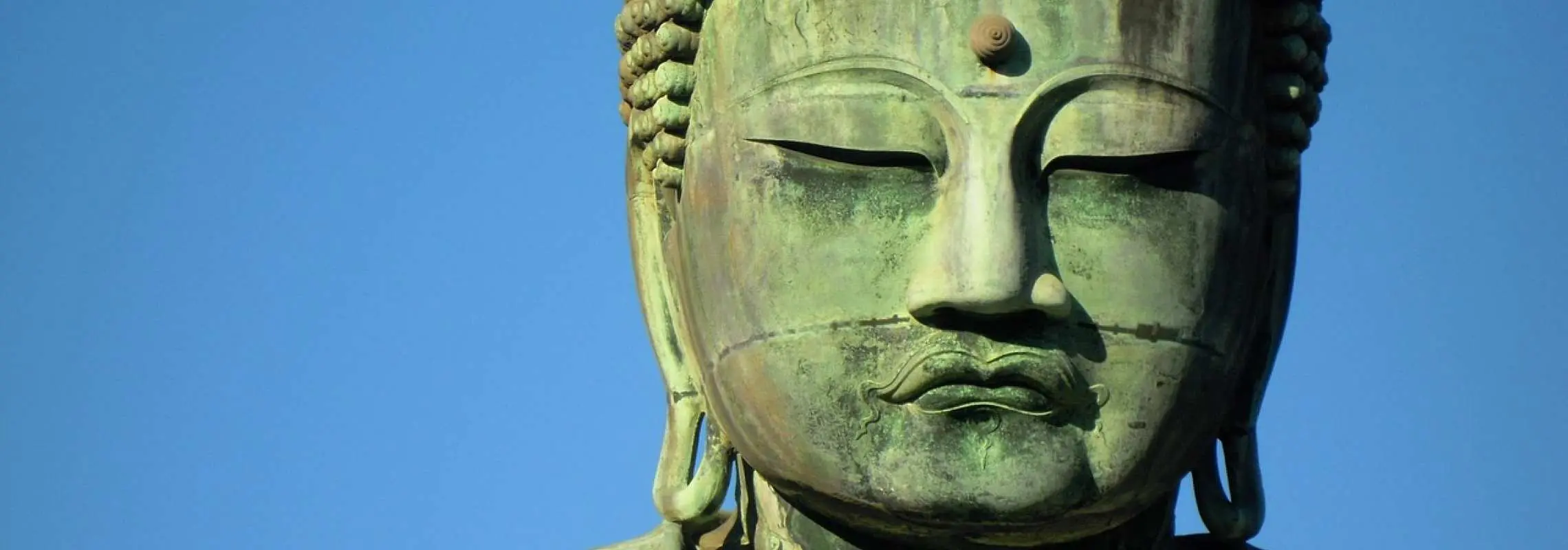






Top 10 Must-Do Experiences and Attractions in Kamakura


![[Tokyo Airport Private Transfer] Narita Airport (NRT)・Haneda Airport (HND) ↔ Tokyo 23 Wards・Tokyo Disneyland/DisneySea・Yokohama・Hakone・Izu/Atami・Lake Kawaguchi・Kamakura | Private Chauffeur Service with Dedicated Assistant](https://image.kkday.com/image/get/c_fill%2Ch_153%2Cq_55%2Ct_webp%2Cw_272/s1.kkday.com/product_267443/20250715083652_4MmSj/png)
![[Group tour available for 1 person] Hakone, Mt. Fuji & Enoshima Day Trip | Enoshima, Owakudani, Lake Ashi Floating Torii Gate, Hakone Ropeway, Lake Ashi Pirate Ship](https://image.kkday.com/image/get/c_fill%2Ch_153%2Cq_55%2Ct_webp%2Cw_272/s1.kkday.com/product_596379/20260601055834_XzCPs/jpg)


![[Japan Private Charter Tour - Tokyo] Tokyo Downtown, Mt. Fuji, Hakone, Kamakura, Lake Kawaguchiko, Karuizawa, Atami, Izu, Kawagoe, Nikko, Yokohama, Japan Alps - Kamikochi & More | Customized Private Charter Service Departing from Tokyo](https://image.kkday.com/image/get/c_fill%2Ch_153%2Cq_55%2Ct_webp%2Cw_272/s1.kkday.com/product_scm_2606/20251203062141_j5UID/jpg)


Kamakura Trending place to visit


Latest launches and promotions in Kamakura
![[Kanagawa/Kamakura] Yukata Rental Plan with Location Photo Shoot! 1 hour, 50 shots data delivery!](https://image.kkday.com/image/get/c_fill%2Ch_153%2Cq_55%2Ct_webp%2Cw_272/s1.kkday.com/product_771181/20260909061909_nezNV/jpg)
![[Kanagawa/Kamakura] Choose your favorite grade & includes hair styling for 4,950 JPY!! A student-exclusive plan for women that saves you up to 4,180 JPY☆](https://image.kkday.com/image/get/c_fill%2Ch_153%2Cq_55%2Ct_webp%2Cw_272/s1.kkday.com/product_771180/20260909061847_HJS6m/jpg)


![Yamanashi Day Trip Tour | All-you-can-eat grape picking, Katsunuma Grape Hill, and all-you-can-fill peanut bags [Departing from Shinjuku, Ueno, and Tokyo]](https://image.kkday.com/image/get/c_fill%2Ch_153%2Cq_55%2Ct_webp%2Cw_272/s1.kkday.com/product_scm_21742/20260601041819_iGF3n/jpg)
![Japan | [Departing from Mt. Fuji] 8-hour private charter car for Hakone/Kamakura/Tokyo](https://image.kkday.com/image/get/c_fill%2Ch_153%2Cq_55%2Ct_webp%2Cw_272/s1.kkday.com/product_scm_17688/20260428021243_FAPoX/jpg)
![Japan | [Departing from Tokyo] Chiba / Saitama / Yokohama Sightseeing - 10-Hour Private Charter Car](https://image.kkday.com/image/get/c_fill%2Ch_153%2Cq_55%2Ct_webp%2Cw_272/s1.kkday.com/product_scm_17555/20260428022406_edPNb/jpg)
Recommended travel destinations near Kamakura

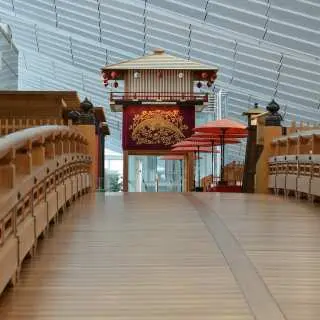

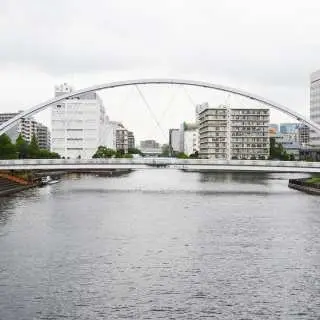
Reviews of Kamakura activities
![[Group tour available for 1 person] Hakone, Mt. Fuji & Enoshima Day Trip | Enoshima, Owakudani, Lake Ashi Floating Torii Gate, Hakone Ropeway, Lake Ashi Pirate Ship](https://image.kkday.com/v2/image/get/w_600%2Cc_fit/s1.kkday.com/product_596379/20260601055834_XzCPs/jpg)


Kamakura Weather, Climate and Best Time to Visit
Data source:Meteostat
Update date:2025-09
Kamakura year round climate
- Spring (March–May): Average 52–66°F, mild and comfortable, but with relatively high rainfall, especially in April. Common activities: Cherry blossom viewing (early blooming varieties), hiking, visiting temples and shrines. Recommended clothing: Light jacket, long-sleeved shirt, and an umbrella.
- Summer (June–August): Average 72–82°F, hot and humid, with the most rainfall in June. Common activities: Swimming at the beach, hiking (avoid midday), and enjoying shaved ice and other refreshing treats. Recommended clothing: Light and breathable clothing, sun protection clothing, and a hat.
- Autumn (September–November): Average 58–78°F, comfortable and pleasant, with relatively high rainfall in September. Common activities: Maple leaf viewing (some varieties), cycling, and visiting museums and other indoor attractions. Recommended clothing: Long-sleeved shirt, light jacket. Note the large temperature difference between morning and evening; dress warmly.
- Winter (December–February): Average 42–48°F, cold and dry, with less rainfall. Common activities: Onzen (hot spring bathing), visiting indoor attractions, and enjoying seasonal cuisine. Recommended clothing: Warm coat, sweater, scarf, hat, and gloves.
Kamakura climatological average
Annual average temperature: approx. 62.6°F / Annual rainfall: approx. 1736 mm / Summer humidity: 70%–80% / Rainiest month: June
Kamakura monthly average temperature and precipitation
Month
Air temperature (°F)
Precipitation (mm)
January
42.8°F
30.1
February
44.1°F
87
March
52.2°F
164
April
60.8°F
187
May
66°F
203.3
June
72.7°F
264.7
July
81°F
137.8
August
82.6°F
150.2
September
78.4°F
235.2
October
66.9°F
141.9
November
58.6°F
105.4
December
48.9°F
30
Kamakura weather for the next seven days
9/14
Monday
Sunny
79.9°F/76.7°F
9/15
Tuesday
Light rain shower
77.8°F/73°F
9/16
Wednesday
Light rain shower
72.9°F/69.8°F
9/17
Thursday
Light rain shower
70.3°F/68°F
9/18
Friday
Patchy rain nearby
71.9°F/68.7°F
9/19
Saturday
Light rain shower
72.9°F/70.7°F
9/20
Sunday
Light rain shower
73.3°F/70.5°F


