


Kyoto, Japan|Traditional Culture Introductory Performance|Kyoto Gion Corner Ticket
- "Gion Corner" is a dedicated theater located next to Gion, where traditional Japanese performances are performed every day. Here you can enjoy seven traditional art performances including "Kyo Odori" performed by maikos.
- It is very popular among Japanese and foreign tourists and is a tourist attraction with a strong international flavor.
- The venue also has an exhibition area introducing the "Kyoto Five Flowers Street", which introduces the history of "Maiko" to arriving tourists in the form of videos, text introductions, and physical displays.
Package Options
Cultural Experiences
| Location | Indoor |
| Cultural experience type | Japanese instruments, Japanese traditional dance, Traditional culture experience |
Product Info
- Attraction Introduction -
"Gion Corner" is located next to a private theater in Gion, where traditional Japanese performances are staged daily. Here, visitors can appreciate seven traditional arts, including "Kyo-mai" performed by maiko. Located within the "Yasaka Kaikan" next to the "Gion Kobe Kabu Renjo Small Theater," it is popular with both Japanese and foreign tourists, making it a well-known international attraction. The area also features an exhibition area showcasing "Kyoto's Five Gladiators," using videos, text descriptions, and exhibits to introduce the history of maiko to visitors.
- Performance content -
Seven traditional art experiences (in Japanese)
Regular performances
【Kyoto Dance】Originating in Kyoto, Kyoto Dance is an elegant and dazzling dance performed by maiko and geisha (in Kyoto, geisha are called geisha) dressed in beautiful costumes.
【Tea Ceremony】A way of art that involves boiling water, brewing tea, and serving tea, presented in a stand-up style (while seated in a chair) that is easily accepted by foreigners.
【Ikebana】is an art form that combines flowers with various materials and then appreciates and evaluates them.
【Koto】A Japanese musical instrument that has been passed down since ancient times. It has 6 strings. By wearing ivory on your fingers and plucking the strings, you can play beautiful harmonies.
【Gagaku】A type of ancient Japanese music and dance that was performed in the palace, shrines, and temples. Visitors can enjoy the music and dance at the same time.
【Kyogen】A type of comedy that presents the realities of the past in a humorous and comical way.
Bunraku is a traditional Japanese puppet show. In 2003, it was designated as a UNESCO World Intangible Cultural Heritage.
Winter Performance
[Kyoto Dance] [Tea Ceremony] [Flower Arrangement] [Koto] [Gagaku] [Kyogen]
*No Bunraku and Noh performances will be cancelled from December 1st to March 12th. Instead, six different programs will be condensed into a single 50-minute performance.

Experience seven unique Japanese cultural and traditional arts in a concise way.
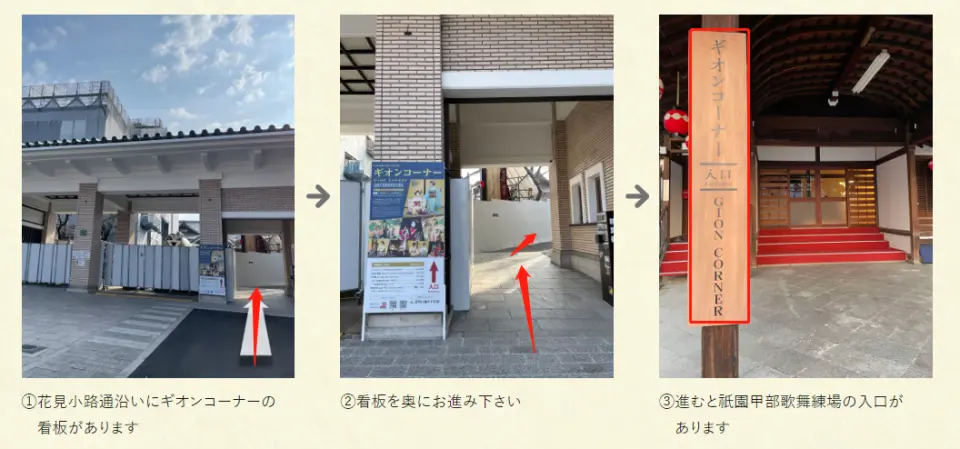
The performance venue is located in the "Yasaka Hall" next to the "Gion Kobu Kabu Rinjo Small Theater".
Purchase Notice
- When booking this product, you need to enter the passenger's real name (passport name); if you do not enter it, you will not be able to enter the venue. In addition, you must show the QR code when entering, otherwise you will not be able to enter.
- Children aged 0 to 6 years old are free if they do not occupy a seat. *If you want to use your seat, please purchase a child ticket separately.
Includes/Excludes
- 1 ticket for a designated traditional art performance
- Personal expenses
- Other expenses not mentioned above
Reminders
Please arrive at the designated location 30 minute(s) before the scheduled departure time, as the tour will depart on time
Seats cannot be assigned in advance, and the staff will assign seat numbers upon entry. (Each group of passengers will be arranged together as much as possible, but cannot be guaranteed)
The performance language is Japanese, without subtitles or simultaneous translation.
Please arrive at the performance venue 30 minutes before the performance to ensure smooth viewing.
The repertoire and content may be subject to partial changes without prior notice, please understand.
From December 1st to March 12th, there will be no Bunraku or Noh performances. Instead, six different programs will be condensed into a single 50-minute performance.
How to Redeem Your Voucher
Voucher Redemption Period
- The voucher must be redeemed on the selected date and within operating hours; Invalid after expiration
- You must show your electronic voucher when entering, otherwise you will not be able to enter
Experience Location
Location Name: Gion Kobu Song and Dance Training Center
Address: 570-2 Gion Kobe Song and Dance Studio Small Theater on the south side of Gion-cho, Higashiyama District, Kyoto Prefecture
FAQ
1. What is Kyoto's Gion Corner, and what makes it a unique cultural venue?
Gion Corner is a dedicated theater in Kyoto, situated next to the famous Gion district. It stands out as a unique cultural venue because it hosts daily traditional Japanese performances, offering visitors a comprehensive introduction to various classical arts in one setting. It's particularly popular among both local and international tourists for this accessible cultural immersion.
2. What traditional Japanese performances can visitors expect to see at Gion Corner?
Visitors to Gion Corner can expect to enjoy a diverse program featuring seven traditional Japanese art performances. These include "Kyo Odori," which is famously performed by maikos, providing an authentic glimpse into the elegance and artistry of traditional Kyoto entertainment.
3. What is the exact location of Gion Corner within Kyoto, and what are its surrounding landmarks?
Gion Corner is located within the "Yae Kaikan" building, positioned directly next to the "Gion Kobe Dance Theater Small Theater" in Kyoto's Gion area. This central location makes it easily identifiable and accessible within the traditional district, adding to its convenience for visitors.
4. What are the recommended transportation options to reach Gion Corner in Kyoto?
Gion Corner is conveniently situated next to the Gion district in Kyoto. While specific transportation routes are not detailed in the product information, its location in a well-known cultural area implies accessibility via Kyoto's local public transportation network, such as buses or nearby subway lines, or taxi services.
5. Can tourists freely visit Gion Corner to experience authentic traditional Kyoto culture?
Yes, Gion Corner is specifically designed to introduce traditional Japanese culture to tourists. It is a dedicated theater for daily performances, making it a highly accessible and welcoming venue for both Japanese and international visitors seeking an authentic cultural experience in Kyoto.
6. What cultural information is available in the exhibition area at Gion Corner?
Gion Corner features an exhibition area that introduces the "Kyoto Five Flowers Street" and delves into the history of "Maiko." This information is presented to visitors through various mediums, including videos, detailed text introductions, and physical displays, offering a comprehensive historical and cultural overview.
7. Why is Gion Corner considered a popular attraction for visitors from various countries?
Gion Corner is highly popular among both Japanese and foreign tourists due to its immersive presentation of traditional Japanese performances. Its status as a dedicated theater for these arts, coupled with its "strong international flavor," makes it a sought-after destination for experiencing Kyoto's rich cultural heritage.
8. What specific role do maikos play in the performances, particularly "Kyo Odori," at Gion Corner?
Maikos play a central role in the performances at Gion Corner, especially in the "Kyo Odori." They are traditional Japanese performing artists who showcase the elegance and beauty of Kyoto's geisha culture through dance and other artistic expressions, offering a unique and authentic cultural spectacle.


