Get Exclusive App Deals
Kyoto 1

Kyoto

Kyoto is a city full of history and culture, with four distinct seasons. You can enjoy a trip to Kyoto no matter when you visit. The stunning scenery of spring cherry blossoms and autumn maple leaves alongside various ancient buildings in Kyoto is unforgettable. Kiyomizu Temple, Kinkakuji Temple, Nijo Castle, etc. are all representative attractions in Kyoto and are worth a visit.

Kyoto Top 10 Activities

Top things to do in Kyoto

Featured activity reviews in Kyoto

Best time to visit Kyoto

Data source: Meteostat・Last updated: 2025-09

Weather in Kyoto throughout the year

Spring (March–May): Average 10.5–19.3°C, mild and comfortable climate. Cherry blossoms are in full bloom from late March to April, making it the best time for cherry blossom viewing. Rainfall gradually increases. Common activities: Cherry blossom viewing, visiting temples and shrines, Arashiyama sightseeing. Recommended clothing: Light jacket, long-sleeved shirt, comfortable shoes.

Summer (June–August): Average 23.7–29.5°C, hot and humid, abundant rainfall, occasional typhoons. Common activities: Experiencing Gion, Kiyomizu-dera Temple, Fushimi Inari-taisha Shrine, enjoying Kawadoko dining at night. Recommended clothing: Light and breathable clothing, sunscreen, rain gear.

Autumn (September–November): Average 13.9–27.1°C, pleasant climate, cool and dry, maple leaves turn red, it is the season for autumn leaves viewing. Common activities: Autumn leaves viewing, strolling along the Philosopher's Path, visiting Kinkaku-ji Temple, Ginkaku-ji Temple. Recommended clothing: Light jacket, long-sleeved shirt, comfortable shoes.

Winter (December–February): Average 5.1–7.2°C, cold and dry, little rain. Common activities: Experiencing onsen, visiting Nijo Castle, Heian Shrine, enjoying local cuisine. Recommended clothing: Warm jacket, sweater, scarf, hat, gloves.

Weather in Kyoto

Annual average temperature: approx. 17°C / Annual rainfall: approx. 1598 mm / Summer humidity: 70%–80% / Rainiest month: August

Kyoto weather by month

MonthJanuaryFebruaryMarchAprilMayJuneJulyAugustSeptemberOctoberNovemberDecember
Temperature5.1°C6.1°C10.5°C16.4°C19.3°C23.7°C28.9°C29.5°C27.1°C19.1°C13.9°C7.2°C
Rainfall (mm)47.453.8115.7158.9199.8248.8176254.7127.3105.291.919.2

7-day weather forecast for Kyoto

Date11/6Friday11/7Saturday11/8Sunday11/9Monday11/10Tuesday11/11Wednesday11/12Thursday
WeatherPatchy rain nearbySunnyOvercastOvercastSunnySunnySunny
High19.9°C15.2°C13.5°C17.3°C13.2°C15.1°C16.3°C
Low12.6°C8.2°C7.9°C8.5°C6.4°C3.3°C8.1°C

Kyoto travel FAQs and useful info

How many days in Kyoto is enough for a good visit?

Three days is the minimum to see Kyoto's highlights, but five to seven days is recommended for a more relaxed pace, allowing for deeper cultural immersion, day trips, or exploring quieter areas. A shorter visit focuses on must-see attractions like Kinkaku-ji and Fushimi Inari, while a longer stay enables cultural activities, cooking classes, or visiting Nara. The ideal length depends on your travel style and how much you want to experience beyond the main tourist sites. You can hit the most iconic temples and landmarks, such as Fushimi Inari Shrine, Kiyomizu-dera Temple, and the Golden Pavilion (Kinkaku-ji). You'll get a sense of Kyoto's unique atmosphere and traditional culture, including a stroll through the Higashiyama District and the geisha district of Gion. You will need to choose depth over breadth and be selective with your itinerary. You can also take a tea ceremony, try Kyoto cooking classes, and explore quieter neighborhoods.

What is the best month to visit Kyoto?

The best months to visit Kyoto are March to May and September to November, as these periods offer pleasant weather, mild temperatures, and beautiful seasonal scenery like cherry blossoms in spring and vibrant foliage in autumn. However, these are also peak tourist seasons, with the most popular time being the spring cherry blossom season. If you want to avoid large crowds, consider visiting in early spring for plum blossoms, late autumn for peak fall colors and fewer crowds than in May, or winter for a quieter, cozy experience with festive illuminations. Spring offers stunning cherry blossoms and plum blossoms, mild temperatures, and numerous festivals. The main con is that it can be very crowded due to the popularity of cherry blossom season.

Is Kyoto really worth visiting?

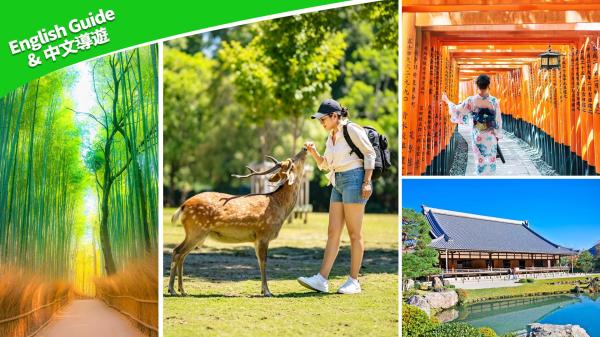
Kyoto is absolutely worth visiting for its unparalleled historical significance and cultural richness. As Japan's former imperial capital for over a thousand years, it boasts an incredible array of ancient temples, serene gardens, traditional wooden machiya houses, and vibrant geisha districts. Visitors can immerse themselves in authentic Japanese culture through tea ceremonies, calligraphy workshops, and by witnessing traditional performances. The city offers a stunning visual tapestry with its iconic shrines like Fushimi Inari and its bamboo forest in Arashiyama, making it a must-see destination for anyone interested in Japan's heritage.

What are some must-see attractions in Kyoto?

Some must-see attractions in Kyoto include the iconic Fushimi Inari Shrine with its thousands of vermilion torii gates, the stunning Kinkaku-ji (Golden Pavilion), and the historic Kiyomizu-dera Temple offering panoramic city views. Don't miss the serene Arashiyama Bamboo Grove, the picturesque Gion district known for geishas, and the tranquil Ryoan-ji Temple with its famous Zen rock garden. Exploring the historic Higashiyama District with its preserved streets and traditional shops is also a quintessential Kyoto experience.

What kind of cultural experiences can I have in Kyoto?

Kyoto offers a deep dive into Japanese culture. You can experience a traditional tea ceremony, participate in a Japanese cooking class to learn local recipes, or even try on a kimono for a unique photo opportunity. Witnessing a Maiko or Geiko performance in Gion offers a glimpse into traditional entertainment. Exploring Nishiki Market, known as Kyoto's Kitchen, provides a sensory experience of local ingredients and culinary traditions. Many temples also offer meditation sessions or calligraphy workshops for those seeking a more profound cultural immersion.