


1-Day Bus Tour from Nagoya: Gujo Hachiman, Hida Takayama & Shirakawa-go
- Explore Nagoya's history on KKday's best Takayama tours
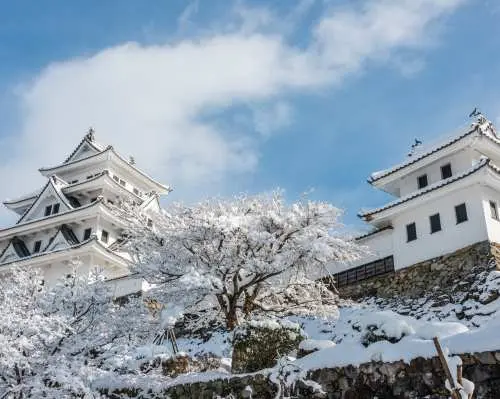
- Visit Gujo Hachiman, an ancient city with beautiful waterways
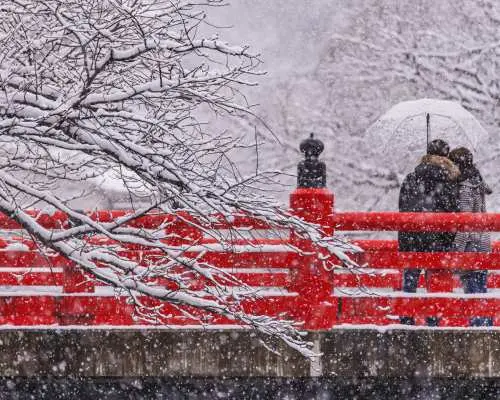
- Immerse in the old town charms of Hida Takayama
- See fall colours, spring cherry blossom, or winter snow at World Heritage Site Shirakawa-go
- Book on KKday for convenient transfer from Nagoya Station & guaranteed daily departure for solo travelers
- Travel with dedicated English/Japanese/Mandarin-speaking guide
Package Options


Sightseeing Tours
| Tour Type | Shared tour, Small Group |
| Transportation method | Transfer from meeting point |
| Departure Time | Standard Departure (8-9 am) |
| Minimum participant requirement | 1 traveler |
| Tour types | Guided tour |
| Meal arrangement | Arrange yourself |
| Seasonal | Spring Cherry Blossom |
| Sightseeing type | Japanese castles, Historic site tour, Bus tour |
| Transport | Bus tour |
Product Info
Purchase Notice
[Travel conditions]
- Departure/Destination: Nagoya/Gifu
- Tour duration: Same-day return
- Transportation: Chartered bus
- Operating bus company: Rescre Co., Ltd.
- Meal included: None
- Accommodation: None
- Minimum number of participants: 1
- Tour leader: 1
- Tour guide: 0
[Travel planning / operation]
- Company name: Air Choice , Inc. (エアーチョイス)
- Address: 4th floor, YM Building, 3-14-5 Shibaura, Minato-ku, Tokyo
- Registration number: Travel Business Registered by the Governor of Tokyo No. 2-6923
- Membership: Regular member of the All Nippon Travel Agents Association (ANTA)
[Commissioned Sales]
- KKday JAPAN Co., Ltd.
- WESTALL Yotsuya Bldg. 2F, 1-22-5 Yotsuya, Shinjuku-ku, Tokyo 160-0004
- Registered travel agency No. 2045 approved by the Commissioner of the Japan Tourism Agency
- Membership: Japan Association of Travel Agents (JATA)
Reminders
In the event of inclement weather such as typhoons or snowstorms, a decision on whether to cancel the tour will be made 1 day(s) before departure (local time 12:00). Notifications will then be sent via email
Please arrive at the designated location 10 minute(s) before the scheduled departure time, as the tour will depart on time
The schedule is subject to change due to traffic and road conditions, and the return time may be delayed. In case of delay, we will not be responsible for any charges incurred if you need to take a cab or stay overnight
The time spent at the sites may be shortened or canceled due to weather or traffic
Cancellation Policy
- Cancellations 2 day(s) (inclusive) before the selected date are allowed. Unused orders can be canceled for free
- For cancellations made 1 to 1 days prior to selected date, a cancellation fee of 50% will apply
- Cancellation is not allowed between 0–0 days from the selected date. Orders cannot be canceled or modified, and refunds will not be granted.
- Due to time zone differences, the confirmed cancellation date is based on the supplier’s local time. Please allow 2–5 business days to process your cancellation request, after which the cancellation fee will be charged according to the product’s cancellation policy. Once the cancellation is confirmed, you will receive your refund within 14 working days.
FAQ
Shirakawa-go is a UNESCO World Heritage site renowned for its distinctive Gassho-zukuri farmhouses. These traditional houses feature steeply sloped, thatched roofs resembling praying hands, designed to withstand heavy snowfall and provide spacious attics for silkworm cultivation. This unique architectural style reflects a centuries-old way of life and a strong connection to the natural environment.
To thoroughly explore Shirakawa-go's main attractions, including its iconic Gassho-zukuri houses, various museums, and panoramic viewpoints, a visit of approximately 2 to 3 hours is generally recommended. This allows sufficient time for leisurely walks through the village, visiting several houses open to the public, and enjoying the scenic beauty.
Shirakawa-go Village is situated in the remote Hida region of Gifu Prefecture, Japan. Nestled within a mountainous valley, its secluded location has contributed to the preservation of its traditional architecture and cultural practices, making it a unique destination.
Key sights in Shirakawa-go include the iconic Gassho-zukuri farmhouses, such as the Wada House and Kanda House, which are open to the public. Visitors can also enjoy breathtaking panoramic views of the entire village from the Shiroyama Observation Deck and explore the Outdoor Museum Gassho-zukuri Minkaen to learn more about traditional life.
Gujo Hachiman is celebrated for its pristine and elaborate network of waterways, canals, and fountains that run throughout the town. These waterways are integral to daily life, serving multiple purposes from washing vegetables to fire fighting, and are even a source of drinking water. The town actively maintains its clean water system, creating a picturesque and functional environment.
Hida Takayama's old town, particularly the Sannomachi district, transports visitors back to the Edo period. Guests can wander along beautifully preserved streets lined with traditional merchant houses, sake breweries, and craft shops. The area offers a rich historical ambiance, opportunities to sample local delicacies, and explore charming morning markets.
For visitors traveling from Nagoya to Shirakawa-go, joining a dedicated bus tour is a highly convenient option. These tours often provide comfortable round-trip transfers, eliminating the need to navigate complex public transport routes or drive long distances. Many tours also include visits to other notable attractions like Hida Takayama and Gujo Hachiman, offering a comprehensive experience.
Shirakawa-go offers distinct beauty across all seasons. Winter, from December to February, is popular for its magical snow-covered Gassho-zukuri houses. Spring, around April to May, brings cherry blossoms, while autumn, in October and November, showcases vibrant fall foliage. Summer, from June to August, provides lush greenery and a serene atmosphere, each offering unique photographic opportunities.
Get Help


