Highlights
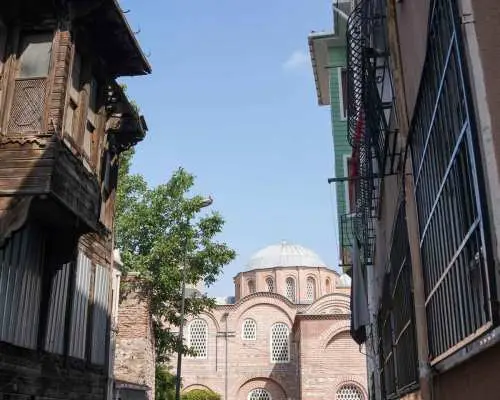
Pantokrator Monastery: The Monastery of Christ Pantokrator is located on a hill with beautiful views of the Golden Horn. Built in the 12th century, the stunning structure, which is now turned into a mosque, was a large monastic complex with a hospital. It was one of the most ambitious imperial undertakings of Constantinople following the reign of Justinian.
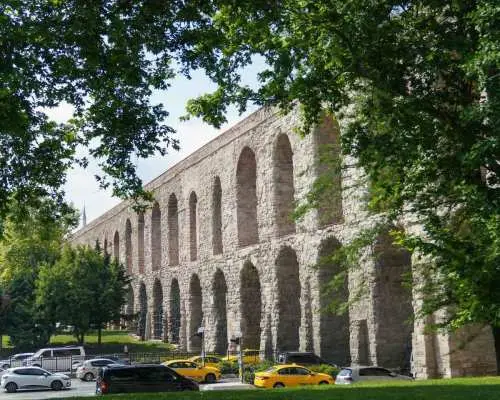
Valens Aqueduct Bridge: This 900 m long aqueduct bridge was built approximately 1650 years ago from large ashlar blocks during the reign of Byzantine Emperor Valens I. This bridge is only a small part of the once 250 km long system that brought fresh water from north of the city into the city’s historic marble drinking fountains that still remain to this day.Valens Aqueduct was repaired several times and functioned during the Ottoman Era as well until the 18th century.
Mystic world of ancient cisterns: There’s something almost mystical about entering the underground world of the historic cisterns that hide underneath the city. Unlike the world above-ground, these grand ruins are dressed in a deep silence that embraces visitors and very quietly tell them the tale of their past grandeur. It is estimated that there have been more than 200 underground cisterns in Istanbul and a few are open to visitors. You get to choose between two largest and most famous ones: Basilica Cistern, or Theodosius Cistern (Şerefiye Sarnıcı)
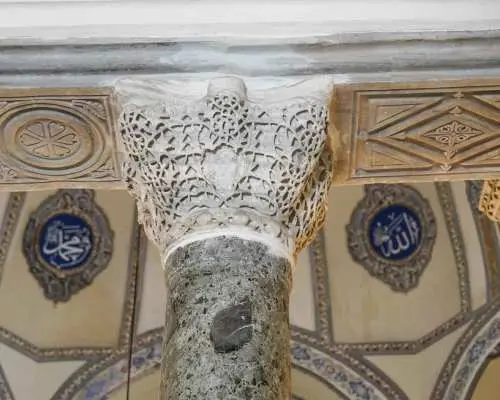
Byzantine Churches converted into mosques: After the conquest of Constantinople by the Ottomans in 1453 a great number of Byzantine churches were converted into mosques and they still function as mosques. In the scope of this tour, we will see several of them, which are free, underrated, and contain the architectural features of both Christian and Islamic architecture.
Ancient Forums of the Byzantium: Former Forum of Theodosius (Beyazıt Square), and former Forum of Constantine (Çemberlitaş) are the two historical sights that used to occupy the center of public life in Byzantium. They continue to be lively public squares of Istanbul.
Column of Constantine: Erected in 330 AD by Constantine I in order to commemorate the declaration of Constantinople as the new capital of the Roman Empire, this column is 35 m long and is made from several porphyry blocks, only found in Egypt.
Hippodrome: 4th century Hippodrome was the center of chariot racing as well as celebrations, protests, festivals, and so on. It was also a symbol of imperial power, decorated with large monuments brought from all over the empire that are still surviving. According to many historians, with its capacity for 40,000 people, Hippodrome was the center of urban life.
Little Hagia Sophia: The original name of Little Hagia Sophia was “The Church of Saints Sergius and Bacchus” which was dedicated to two young saints: St. Sergius and St. Bacchus. This church, now converted to a mosque, was built in 536 CE by Justinian I and remains one of the most interesting examples of “church-mosques.”