



발리 1일 투어: 상징적인 사원, 유네스코 유적지 - 올인클루시브
* 발리의 상징적이고 유명한 사원 3곳을 탐험해 보세요
* 타만 아윤 왕립 사원, 물 위의 정원 사원
* 울룬다누 사원은 베라탄 호수 기슭에 떠 있는 것처럼 보이는 상징적인 랜드마크입니다.
* 타나롯은 바다의 바위 위에 자리 잡고 파도에 둘러싸인 독특한 사원입니다.
유네스코 세계문화유산으로 지정된 세계 최대 규모의 논을 방문하세요.
* 계단식 논 풍경을 감상하며 점심 식사를 즐기세요
* 영어 또는 일본어 구사 가능한 운전기사와 함께 편안한 개인 투어를 즐겨보세요.
옵션 선택


상품 설명
본 상품 내용은 한국어로 자동 번역되었습니다. 예약하실 때 이 점을 고려하시기 바랍니다.
발리의 문화, 자연, 그리고 아름다운 일몰을 하루 만에 만끽하세요
문화유산, 아름다운 풍경, 숨 막히는 해안 절경을 한데 모아 잊지 못할 하루 동안 발리의 주요 명소를 탐험해 보세요.
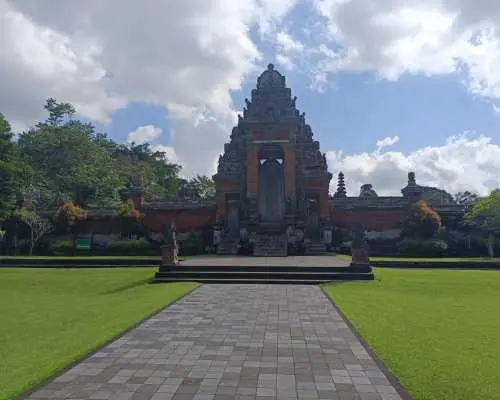
여행은 1634년에 건립된 멩위 왕국의 아름다운 왕실 사원인 타만 아윤 사원 방문으로 시작됩니다. 이 사원은 넓은 해자로 둘러싸여 마치 물 위에 떠 있는 듯한 독특한 모습을 자랑합니다. 고요한 정원을 거닐며 발리 전통 건축 양식과 신앙심을 반영하는 인상적인 다층 사당들을 감상해 보세요.
다음으로, 베두굴 고원의 서늘한 베라탄 호수 서쪽 기슭에 위치한 상징적인 울룬 다누 베라탄 사원으로 향하세요. 발리에서 가장 사진이 많이 찍히는 사원 중 하나로 알려진 이곳은 수위가 높아지면 마치 호수 위에 떠 있는 것처럼 보입니다. 상쾌한 산 공기, 잘 가꿔진 정원, 그리고 아름다운 풍경을 만끽하며 추억에 남을 사진을 찍어보세요.
그 다음에는 유네스코 세계문화유산으로 지정된, 푸른 논밭이 펼쳐진 아름다운 자틸루위 계단식 논을 방문하세요. 이곳에서는 수 세기 동안 보존되어 온 발리 고유의 문화유산인 전통적인 수박 관개 시스템을 직접 볼 수 있습니다. 발리 시골의 탁 트인 전망과 평화로운 분위기를 마음껏 즐겨보세요.
마지막으로, 16세기에 바다 한가운데 바위 위에 세워진 신성한 해상 사원인 유명한 타나롯 사원에서 하루를 마무리하세요. 이곳은 발리에서 가장 상징적인 랜드마크 중 하나입니다. 오후 6시 이전에 도착하여 사원의 실루엣이 황금빛 지평선과 어우러지는 아름다운 일몰을 감상하실 수 있도록 하겠습니다. 발리 여행을 마무리하는 완벽한 방법이 될 것입니다.
타만 아윤 왕궁


브라탄 호수의 울룬 다누 사원


유네스코 문화유산인 자틸루위 라이스 테라스


타나롯 사원


개인 차량


구매 전 확인사항
유의사항
본 투어의 최소 출발 인원은 1 명이며, 최소 출발 인원 미달 시 출발 1 일 전에 이메일을 통해 투어 취소를 안내드립니다.
교통, 기상 등 기타 불가항력적인 사유로 인해 시간이 지연되어 일부 명소의 방문이 취소될 경우 고객센터에 연락주시면 부분 환불이 가능합니다.
태풍, 눈보라 등의 악천후의 경우 출발 1일 전 (현지 시간 10:00)에 투어 출발 가능 여부가 결정되며 이메일을 통해 안내드립니다.
다음과 같은 질병을 앓고 있거나 과도한 자극에 민감한 여행자는 본 행사에 참여하지 말아 주십시오..: 고혈압, 임산부, 심장병, 고소공포증, 천식, 뇌전증
일정에 차질이 생기지 않도록 지정된 장소에 5분 전까지 도착해주시기 바랍니다. 지각 시 기다리지 않습니다.
만 10세 미만의 아동은 식사가 포함되지 않습니다.
만 10세 미만의 여행객은 입장권이 포함되어 있지 않으며, 현장에서 구매해주시기 바랍니다.
자주 묻는 질문
1. 따만 아윤 사원은 발리에서 무엇으로 유명한가요?
따만 아윤 사원은 1634년에 처음 지어진 멩위 왕국의 왕실 사원으로 유명합니다. '물 위의 정원'이라는 이름은 거대한 연못으로 둘러싸인 아름다운 디자인과 넓은 사원 단지를 반영합니다. 고전 발리 건축 양식, 섬세한 석조 조각, 그리고 성스러운 산을 상징하며 발리의 풍부한 문화 및 영적 유산을 엿볼 수 있는 인상적인 다층 메루 신전으로 유명합니다.
2. 발리 여행객에게 따만 아윤 사원 방문은 가치 있는 경험인가요?
네, 따만 아윤 사원 방문은 여행객에게 매우 가치 있는 경험입니다. 평화롭고 역사적으로 풍부한 경험을 제공하며, 멋진 고전 발리 건축 양식과 고요한 '물 위의 정원' 환경을 선보입니다. 방문객들은 섬세한 디자인, 신성한 신전, 그리고 전반적으로 평온한 분위기를 감상할 수 있어 발리의 왕실 유산과 영적 전통을 이해하는 데 중요한 방문지가 됩니다. 아름다운 주변 환경 속에서 훌륭한 사진 촬영 기회와 문화적 성찰의 순간을 제공합니다.
3. 따만 아윤 사원과 다른 발리 사원 방문 시 필요한 복장 규정은 무엇인가요?
따만 아윤 사원과 다른 발리 사원을 방문할 때는 정중한 복장이 요구됩니다. 어깨와 무릎을 가리는 단정한 옷을 착용해야 합니다. 사롱과 허리띠는 일반적으로 필수이며, 신성한 장소에 대한 경의를 상징합니다. 이러한 품목은 종종 사원 입구에서 대여하거나 제공됩니다. 또한 사원 경내의 신성함을 존중하기 위해 방문 내내 조용하고 정중한 태도를 유지하는 것이 중요합니다.
4. 따만 아윤 사원 탐방에는 보통 얼마나 시간이 권장되나요?
일반적으로 방문객들은 따만 아윤 사원 탐방에 약 30~60분 정도를 소요합니다. 이 시간은 단지 주변을 둘러보고, 독특한 건축 양식, 다층 신전, 고요한 물 특징을 감상하며, 사진을 찍기에 충분합니다. 따만 아윤은 종종 더 큰 당일 투어의 일부이므로, 특정 시간 배정은 일반적으로 투어 일정에 따라 관리되어 포함된 모든 장소를 포괄적이면서도 효율적으로 방문할 수 있도록 합니다.
5. 발리 사원 입장 시 방문객이 알아야 할 문화적 입장 규정은 무엇인가요?
발리 사원을 방문하는 방문객은 몇 가지 중요한 문화적 입장 규정을 준수해야 합니다. 사롱과 허리띠를 포함한 단정한 복장은 어깨와 무릎을 모두 가리는 것이 의무입니다. 또한 생리 중인 여성은 사원 경내에 들어가지 않는 것이 일반적인 관습입니다. 다른 주요 규칙으로는 조용함을 유지하고, 신성한 제단이나 사람들에게 발을 향하지 않으며, 종교 구조물 위에 올라가는 것을 삼가는 것 등이 포함되며, 이 모든 것은 신성한 장소에 대한 존중을 표하기 위함입니다.
6. 따만 아윤 사원 외에 발리 1일 투어에 포함된 다른 상징적인 사원과 자연 명소는 무엇인가요?
따만 아윤 사원 외에도 발리 1일 투어에는 여러 다른 상징적인 장소가 포함됩니다. 베두굴 고원지대의 고요한 브라탄 호수에 떠 있는 듯한 그림 같은 풍경으로 유명한 울룬 다누 사원을 탐험하게 될 것입니다. 이 투어는 또한 바다의 바위돌 위에 독특하게 자리 잡고 극적인 일몰 전망으로 유명한 따나 롯 사원도 방문합니다. 더불어 유네스코 세계 문화유산으로 인정받은 যথাযথ이 수많은 장엄한 논 풍경을 경험하게 될 것입니다.
7. 발리 1일 프라이빗 투어 중 따만 아윤 사원과 Jatiluwih 라이스 테라스 같은 목적지 간 교통편은 어떻게 제공되나요?
발리 1일 프라이빗 투어 중 따만 아윤 사원과 Jatiluwih 라이스 테라스와 같은 목적지 간 교통편은 편안하고 독점적인 서비스로 제공됩니다. 경험이 풍부한 영어 또는 일본어 구사 운전기사와 함께 전용 차량을 이용하게 됩니다. 이를 통해 번거로움 없이 효율적인 이동 경험을 보장하여, 현지 대중교통 이용이나 이동 수단 예약에 대한 걱정 없이 각 장소를 편안하게 감상하고 투어의 전반적인 편의성을 높일 수 있습니다.
8. Jatiluwih 라이스 테라스가 유네스코 세계 문화유산으로 지정된 이유는 무엇이며, 방문객은 그곳에서 무엇을 경험할 수 있나요?
Jatiluwih 라이스 테라스는 탁월한 문화 경관과 전통 발리 'Subak' 관개 시스템의 보존으로 인해 유네스코 세계 문화유산 지위를 획득했습니다. 이 복잡한 물 관리 시스템은 수세기 동안 지역 사회를 유지해 온 고대 민주적인 농업 관행을 반영합니다. 방문객들은 풍경을 가로질러 펼쳐지는 광활하고 에메랄드빛 녹색의 논을 경험하며 숨 막히는 파노라마 전망을 감상할 수 있습니다. 사진 촬영, 평화로운 산책, 그리고 테라스를 조망하며 경치 좋은 점심을 즐기기에 이상적인 장소로, 발리의 풍부한 농업 유산에 몰입할 수 있습니다.
도움을 받기


