



Japanese Kamado Hell Tickets
- Experience six different kinds of hellish landscapes in one trip at the famous scenic spot of Beppu, "Kamado Hell"!
- With spring temperatures reaching 90℃, the powerful jets in "Kamado Jigoku" are incredibly eye-catching!
- "Kamado Jigoku" originates from a legend about cooking rice during a festival, and has a long and mysterious history.
- Book your tickets to "Kamado Jigoku" (Kamado Hell) with KKday and easily embark on a fantastic journey through Beppu!
Product Info
The content of this product is provided by machine translation and may not reflect the actual information, please take this into consideration before booking.
Stove Hell 1-chome (90°C): 1-chome is a brownish-red hot mud hell. Due to the influence of geothermal heat on the underground rock mass, various viscous clays dissolve out, giving it a unique color.


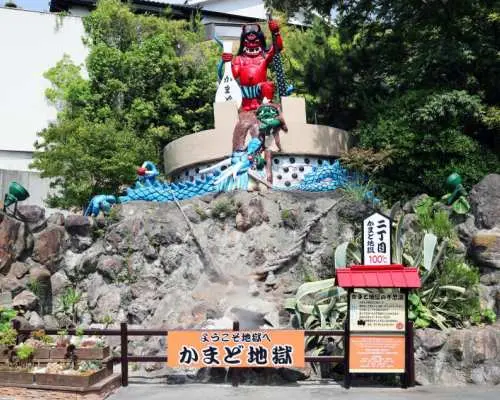
Stove Hell 2-chome: Here stands the "Stove Demon," considered a symbol of Stove Hell. This demon originates from the legend of the Yawata Kamado Shrine in the Stove area of Beppu City, and became the gatekeeper of Stove Hell after repenting. Next to the demon statue are wisteria trees, which bloom beautifully during the flowering season, adding to the scenic beauty.


Kamado Jigoku 3-chome (85°C): 3-chome is a cobalt blue hellscape. The white substance seen is amorphous silicon dioxide (hot spring deposits), which is estimated to have gradually formed over approximately 70 years.


Important Info
Reminders
※ Business hours may vary depending on the situation. We apologize for any inconvenience caused by temporary closures.
Please be sure to confirm the business hours before making a purchase.
How to Redeem Your Voucher
Validity Period
- Valid for use within 3day(s) from the date of issue; Invalid after expiration
Experience Location
Location Name: Stove Gate Hell
Address: Oita Prefecture, Beppu City, Daiji Tetsuwa No. 621Monday 08:00–17:00
Tuesday 08:00–17:00
Wednesday 08:00–17:00
Thursday 08:00–17:00
Friday 08:00–17:00
Saturday 08:00–17:00
Sunday 08:00–17:00
Cancellation Policy
- Once the order has been completed, it cannot be canceled, modified, or refunded
- Due to time zone differences, the confirmed cancellation date is based on the supplier’s local time. Please allow 2–5 business days to process your cancellation request, after which the cancellation fee will be charged according to the product’s cancellation policy. Once the cancellation is confirmed, you will receive your refund within 14 working days.
FAQ
The Beppu Hells (Jigoku) are named for their intensely hot, steamy, and bubbling landscapes, which historically evoked images of a powerful underworld. The term "Jigoku," meaning hell, vividly describes these dramatic geothermal phenomena. Kamado Jigoku, for instance, has ancient roots tied to legends of ceremonial rice cooking, where the natural steam was utilized for purification rituals, highlighting the area's long and mysterious connection to these powerful natural forces.
The Beppu Hells typically comprise eight distinct geothermal hot springs, each offering unique characteristics. Kamado Jigoku is one of the most prominent stops, providing visitors with the unique opportunity to experience "six kinds of unique hell spectacles" all within a single location. It is highly regarded for its diverse geothermal features and its deep historical connection to ancient legends, making it a significant highlight of the Beppu Hells tour.
At Kamado Jigoku, visitors can expect to witness several unique natural phenomena. The site is famous for its spring temperatures reaching up to 90℃, producing impressive and highly captivating steam eruptions. It offers the chance to experience "six kinds of unique hell spectacles" simultaneously, showcasing a variety of geothermal features such as vividly colored ponds, actively bubbling mud pools, and powerful steam vents, all concentrated in one accessible area.
Kamado Jigoku is an engaging attraction that can be enjoyed throughout the year. While summer in Beppu can be warm, the impressive geothermal phenomena, such as the 90℃ hot springs and spectacular steam displays, provide a captivating experience regardless of the season. Many visitors find the vibrant displays and historical insights fascinating even on warmer days, and facilities often include shaded areas for comfort during your exploration.
The name "Kamado Jigoku," which translates to "Cooking Pot Hell," is rooted in ancient legends and practices. Its origin traces back to a historical tradition where the site's intense geothermal steam was used to cook rice offerings for a local shrine's festivals. This practice of using the natural "cooking pot" of the earth for sacred rituals gave the site its distinctive name, reflecting its long and mysterious history.
Kamado Jigoku offers a uniquely concentrated experience, allowing visitors to witness "six kinds of unique hell spectacles" all in a single, easily navigable location. Its standout features include mesmerizing steam vents reaching temperatures of 90℃ and various vibrant, actively bubbling pools. Furthermore, its deep historical connection to a legend of ceremonial rice cooking provides a distinct cultural and mysterious dimension not often found elsewhere, making it a compelling geothermal and cultural landmark.
A typical visit to Kamado Jigoku usually takes about 30 to 60 minutes. This timeframe allows ample opportunity to thoroughly explore the "six unique hell spectacles," observe the impressive 90℃ steam eruptions, and appreciate the diverse geothermal features and historical context without feeling rushed. The compact layout of the site ensures that a comprehensive and engaging experience can be had within this duration.
Visitors can conveniently purchase tickets to Kamado Jigoku through various online travel platforms. For a straightforward and secure experience, you can book your Kamado Jigoku tickets via KKday. This allows for easy planning and guarantees your entry in advance, ensuring a smooth and hassle-free start to your fantastic Beppu journey without the need to queue upon arrival.
Get Help


