


Museum of Cham Sculpture Admission Ticket | Da Nang
- Explore Vietnam’s largest collection of ancient Cham sculptures from the 5th–15th centuries
- Admire 12 recognized National Treasures showcasing Cham artistry and heritage
- Enjoy a free multilingual audio guide (Vietnamese, English, French)
- Discover over 400 artifacts from iconic sites like Mỹ Sơn and Trà Kiệu
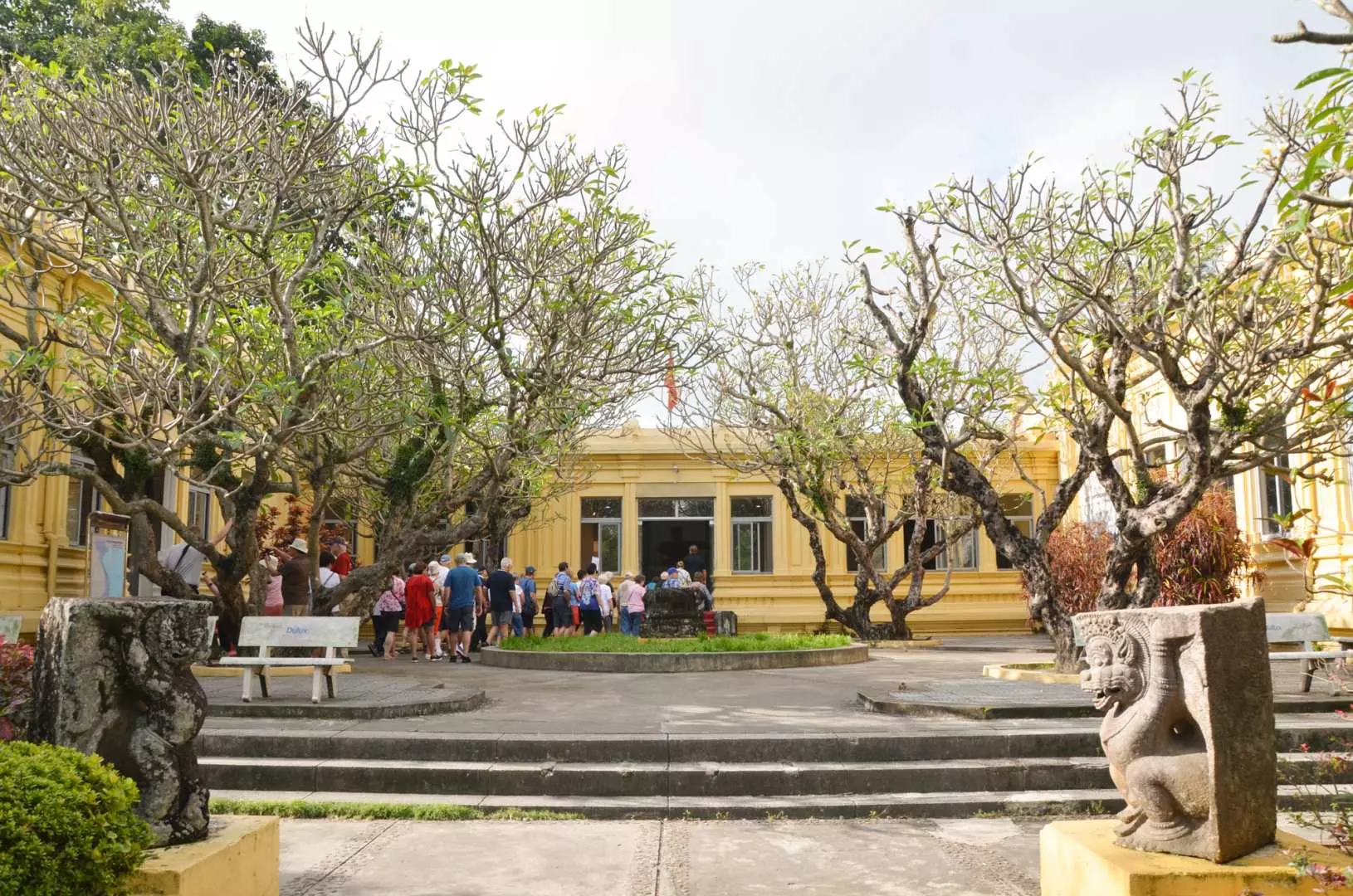
- Visit a century-old museum honoring the legacy of the Champa Kingdom
Product Info
Discover the Da Nang Museum of Cham Sculpture, a premier cultural landmark in central Da Nang. The museum features the largest and most representative collection of Cham artifacts in Vietnam, showcasing around 400 masterpieces, including 12 National Treasures from the 5th to 15th centuries. Visitors can admire Hindu and Buddhist deities, sacred animals, fertility symbols, and architectural ornaments crafted from sandstone, terracotta, and metal. The exhibits are organized into 12 regional galleries and thematic sections on Cham inscriptions and culture, offering an in-depth insight into the art, religion, and heritage of the ancient Champa civilization.
After several years of preparation, the first building was started in 1915, completed in 1916, and officially opened to the public in 1919.

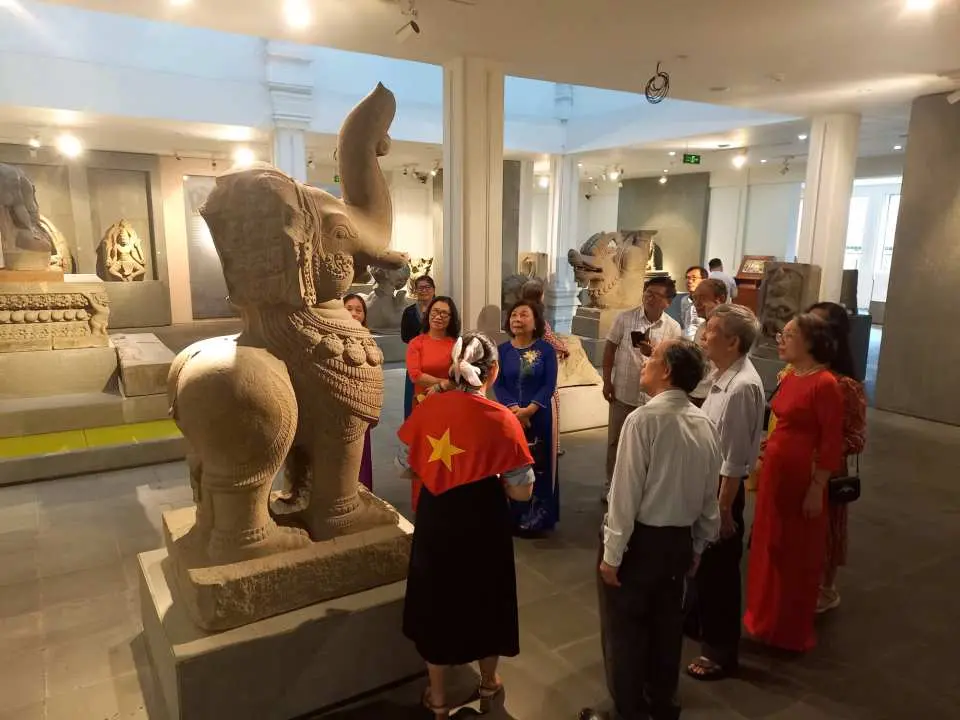
The museum features the largest and most representative collection of Cham artifacts in Vietnam, showcasing around 400 masterpieces, including 12 National Treasures from the 5th to 15th centuries.


Crafted in diverse materials such as sandstone, terracotta and metal, these works depict Hindu and Buddhist deities, fertility symbols, sacred animals and architectural ornaments, reflecting the cultural, religious and aesthetic values of the ancient Champa people in the Central Vietnam.


This distiction has thus affirmed the Museum’s role and contributions to the preservation and promotion of the values of Champa cultural heritage in particular, and Vietnam in general.

Purchase Notice
- Ticket Includes: Entrance to the Da Nang Museum of Cham Sculpture and access to the multilingual audio guide.
- Not Included: Transportation and any personal expenses.
- Reservation & Operation Fees: Already included in the ticket price.
- Voucher: Please present your KKday e-voucher at the ticket counter for admission.
- Cancellation: Free cancellation up to 2 days before the visit date.
- Cut-Off Time: Last admission at 16:00 on the same day.
- Audio Guide Access: Connect to museum Wi-Fi and visit https://chamaudio.com ; bringing personal earphones is recommended.
Experience Location
Location Name: Bảo tàng Điêu khắc Chăm Pa
Address: số 02 đường 2 tháng 9, quận Hải Châu, thành phố Đà NẵngCancellation Policy
- Cancellations 1 day(s) (inclusive) before the selected date are allowed. Unused orders can be canceled for free
- Cancellation is not allowed between 0–0 days from the selected date. Orders cannot be canceled or modified, and refunds will not be granted.
- Due to time zone differences, the confirmed cancellation date is based on the supplier’s local time. Please allow 2–5 business days to process your cancellation request, after which the cancellation fee will be charged according to the product’s cancellation policy. Once the cancellation is confirmed, you will receive your refund within 14 working days.
FAQ
Yes, the Museum of Cham Sculpture is highly recommended for visitors interested in history and art. It houses Vietnam’s largest collection of ancient Cham sculptures, dating from the 5th to the 15th centuries. Visitors can admire 12 recognized National Treasures and learn about the rich heritage of the Champa Kingdom, making it a valuable cultural experience in Da Nang.
Visitors can explore over 400 artifacts collected from significant Cham sites like Mỹ Sơn and Trà Kiệu. You'll see various sculptures including altars, statues of deities, and decorative pieces that reflect Cham artistry. A free multilingual audio guide in Vietnamese, English, and French is available to enhance your understanding of the exhibits and their historical context.
Cham art is unique for its distinctive blend of indigenous Cham elements with influences from Indian mythology, particularly Hinduism and Buddhism. The sculptures often depict deities like Shiva, Vishnu, and Brahma, along with various mythical creatures and detailed architectural motifs. Their expressive forms and intricate carvings showcase the artistic sophistication of the ancient Champa Kingdom.
The Museum of Cham Sculpture is a century-old institution, originally opened in 1919 by the French School of the Far East. It was established to house and preserve the valuable artifacts recovered from various archaeological sites of the Champa Kingdom throughout Central Vietnam. The museum itself is an important cultural landmark dedicated to honoring and understanding the Cham legacy.
Visitors can easily purchase admission tickets for the Museum of Cham Sculpture online or directly at the museum's entrance. Purchasing through an online platform like KKday offers the convenience of securing your ticket in advance, avoiding potential queues, and having all your travel documents organized digitally for a smooth entry experience.
The museum exhibits a wide array of ancient Cham sculptures, predominantly made of sandstone. These include depictions of Hindu and Buddhist deities, mythical animals such as Nāgas and Garudas, and various decorative elements from temples and towers. The collection is organized by the sites where the artifacts were discovered, providing insight into different Cham artistic styles.
The Museum of Cham Sculpture proudly displays 12 recognized National Treasures of Vietnam. These highly significant artifacts represent the pinnacle of Cham artistry and include masterpieces like the Trà Kiệu Altar and the Mỹ Sơn E1 Altar. These treasures offer deep insights into the religious beliefs and aesthetic achievements of the ancient Champa civilization.
Yes, the Museum of Cham Sculpture provides a free multilingual audio guide. This guide is available in Vietnamese, English, and French, offering detailed explanations and historical context for the various exhibits and sculptures. It allows visitors to delve deeper into the stories and significance of the Cham artifacts at their own pace.
Get Help


