



Shirakawago and Hida No Sato Winter Illumination 2D1N Bus Tour
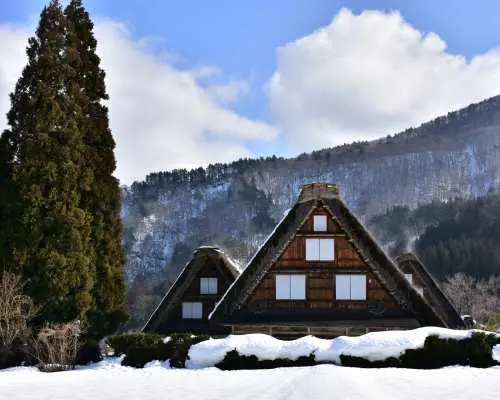
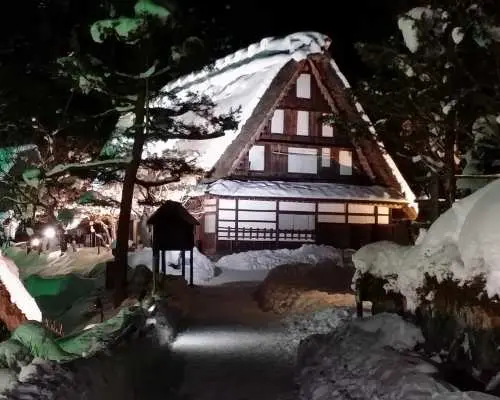
・Adventures in the mysterious world of snow in Gassho Zukuri Village, Shirakawago
・Explore the traditional atmosphere of Hida takayama old town
・Experience wearing a Uchikake and Jinbaori at the Seki Cutlery Museum
・Shopping at Shiga Ryuo Outlet, one of the largest outlet malls in the Kansai region
Package Options


Sightseeing Tours
| Seasonal | Winter Snow Exclusive |
Product Info
Purchase Notice
This is not a private tour, you will enjoy the tour with other guests together.
We might cancel the tour if we do not have at least 20 participants by 14 days before the scheduled departure.
The hotel you stay at may change depending on the availability of hotels on the day.
Depending on the reservation situation on the day, you may not be able to wear the Uchikake and Jinbaori in Sanshu Cutlery Shop / Seki Cutlery Museum. In that case, please enjoy the museum and shopping at the facility. There will be no refunds due to this change.
Reminders
Customer Guidelines:
Please arrive at the meeting location 15 minutes prior to the departure time.
IMPORTANT: The bus will depart according to the schedule and will not wait for late arrivals.
The schedule is subject to change without prior notice.
Due to traffic or other reasons, the duration of visits at each destination may be shortened, and arrival times may be delayed.
Refunds will not be provided if you fail to arrive at the meeting location on time (no show).
In the event of a natural disaster, such as a typhoon, the tour will be canceled, and a full refund will be issued.
Please inform us of any allergies or dietary restrictions when you book. especially if the tour includes lunch.
Please note that snow may not be present depending on weather.
Please note that wheelchair is not accessible.
This tour involves a lot of walking. If you have trouble walking, we advise you not to book this tour.
We can accommodate your luggage and keep it in the bus luggage compartment during the tour.
As there are few places to have dinner in the vicinity of the accommodation, we recommend stocking up on food during the tour.
Note: These guidelines are provided to ensure a safe and enjoyable experience. Thank you for your cooperation.
Cancellation Policy
- Cancellations 21 day(s) (inclusive) before the selected date are allowed. Unused orders can be canceled for free
- For cancellations made 8 to 20 days prior to selected date, a cancellation fee of 20% will apply
- For cancellations made 2 to 7 days prior to selected date, a cancellation fee of 30% will apply
- For cancellations made 1 to 1 days prior to selected date, a cancellation fee of 40% will apply
- For cancellations made 0 to 0 days prior to selected date, a cancellation fee of 50% will apply
- Due to time zone differences, the confirmed cancellation date is based on the supplier’s local time. Please allow 2–5 business days to process your cancellation request, after which the cancellation fee will be charged according to the product’s cancellation policy. Once the cancellation is confirmed, you will receive your refund within 14 working days.
FAQ
Shirakawa-go is renowned for its unique Gassho-zukuri (praying hands) farmhouses, characterized by steeply pitched thatched roofs designed to withstand heavy snow. These traditional houses, some over 250 years old, create a picturesque village recognized as a UNESCO World Heritage site. Visitors can explore various houses, some open as museums, and enjoy the tranquil, historical atmosphere, which is especially beautiful under snow.
To fully appreciate Shirakawa-go's unique charm, a visit of 2 to 3 hours is generally recommended. This allows ample time to explore the main village area, visit a few Gassho-zukuri houses, enjoy the scenic viewpoints like the Ogimachi observation deck, and browse local shops. The pace depends on individual interest in photography and detailed exploration of each site.
Shirakawa-go is best explored on foot. Visitors can start from the main entrance, crossing the Deai-bashi Suspension Bridge, then follow the well-maintained paths that wind through the village, connecting various Gassho-zukuri houses. During winter, wearing appropriate non-slip footwear is crucial as paths can be snowy or icy. Shuttle buses are also available to reach the Ogimachi observation deck for panoramic views.
Shirakawa-go is primarily accessed by bus, as there is no direct train station. Visitors often travel by highway bus from major cities like Takayama, Kanazawa, or Nagoya. Many guided tours also provide convenient bus transportation directly to the village. While self-driving is an option, parking can be limited, especially during peak seasons or winter illumination events.
For a comprehensive visit to Hida no Sato Folk Village, particularly during the enchanting winter illumination, allocating approximately 1.5 to 2 hours is ideal. This allows ample time to wander through the collection of traditional Hida region houses, observe craft demonstrations, and enjoy the magical ambiance created by the special lighting during illumination events.
Shirakawa-go is an active, inhabited village with Gassho-zukuri farmhouses recognized as a UNESCO World Heritage site, emphasizing a living cultural landscape. Hida no Sato, on the other hand, is an open-air museum preserving various traditional houses from the Hida region, showcasing different architectural styles and crafts. Shirakawa-go offers a larger, more authentic village experience, while Hida no Sato provides a concentrated cultural exhibition.
Hida Takayama's old town, particularly the Sanmachi Suji district, is renowned for its beautifully preserved Edo-period streets. Visitors can explore traditional merchant houses, sake breweries offering tastings, and unique craft shops. Highlights include sampling local Hida beef sushi, browsing artisan goods, and visiting the morning markets along the Miyagawa River and Jinyamae for local produce and souvenirs.
At the Seki Cutlery Museum, visitors can delve into the rich history of Seki's renowned blade-making tradition through various exhibits. Beyond viewing impressive blades and learning about the craft, a unique cultural experience available is trying on traditional Japanese attire like a Uchikake (an elaborate wedding kimono) or a Jinbaori (a samurai's sleeveless war coat), offering a memorable photo opportunity.
Get Help


