
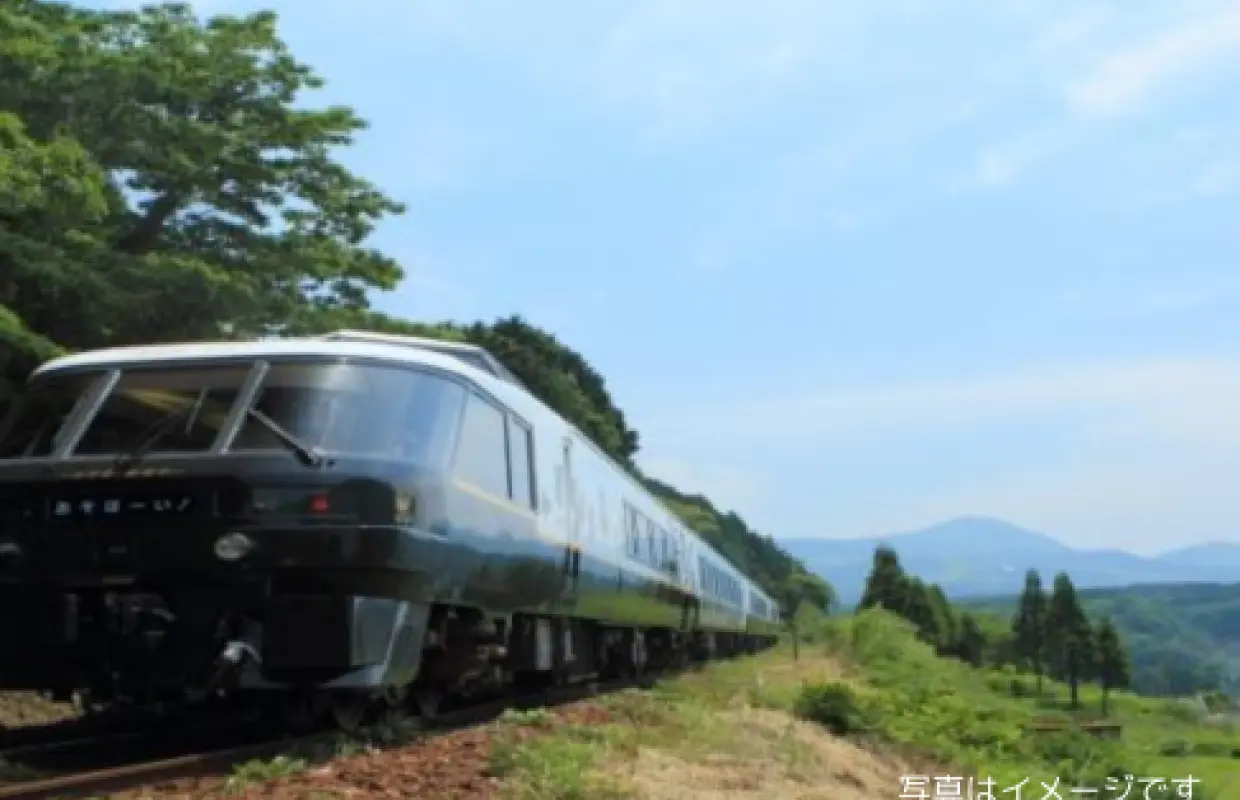


Kumamoto to Scenic Aso & Takachiho 1 Day Trip with Lunch & Ride ASO BOY!
- Embark on a luxurious one-day journey through the majestic nature of Aso and the mystical landscapes of Takachiho. Ride the special train "ASO BOY!" as you explore Kyushu's most breathtaking scenic spots. Enjoy lunch with panoramic views atop Mt. Aso, experience the ethereal beauty of Takachiho Gorge, and encounter the pure Conclude your adventure with another ride on the "ASO BOY!" back to Kumamoto Station.
Product Info
Purchase Notice
Due to the large number of places to be visited, please be punctual for the meeting time.
Due to traffic congestion, etc., your stay may be shortened.
We cannot accept seat location specifications.
This tour will be selling to available all year round.
Infants under 3 years old are free(No seat ).
The bus is not provided with a toilet onboard.
No smoking inside the bus.
Reminders
Important Information
Kumamoto Station
Meeting Time:07:50
Departure Time:08:00
Meeting Place:Kumamoto Station Bus terminal
Cancellation Policy
- Cancellations 11 day(s) (inclusive) before the selected date are allowed. Unused orders can be canceled for free
- For cancellations made 8 to 10 days prior to selected date, a cancellation fee of 20% will apply
- For cancellations made 2 to 7 days prior to selected date, a cancellation fee of 30% will apply
- For cancellations made 1 to 1 days prior to selected date, a cancellation fee of 40% will apply
- Cancellation is not allowed between 0–0 days from the selected date. Orders cannot be canceled or modified, and refunds will not be granted.
- Due to time zone differences, the confirmed cancellation date is based on the supplier’s local time. Please allow 2–5 business days to process your cancellation request, after which the cancellation fee will be charged according to the product’s cancellation policy. Once the cancellation is confirmed, you will receive your refund within 14 working days.
FAQ
The name 'Aso' is believed to derive from an ancient legend involving local deities. One common interpretation suggests it comes from 'Asanoko' (阿蘇子), meaning 'child of Aso', referring to the mythical god Takeiwatatsu-no-Mikoto, who is said to have created the Aso caldera. Another theory links 'Aso' to words meaning 'place to gather' or 'field of reeds', reflecting its historical landscape and geological features.
Mount Aso is renowned for being Japan's largest active volcano and one of the world's largest calderas, spanning approximately 25 km east to west and 18 km north to south. Its prominent geographical location in central Kyushu makes it a significant natural landmark, offering vast grasslands, active volcanic peaks like Nakadake, and panoramic views of the surrounding caldera rim, attracting visitors worldwide for its unique geological formations.
Visitors to Mount Aso can experience diverse natural features. The most prominent is the Nakadake Crater, an active volcanic cone often emitting plumes of smoke, with its vivid emerald green crater lake visible when conditions permit. The vast Kusasenri grasslands, a scenic plateau, offer panoramic views of the outer rim and grazing horses. Visitors can also explore unique volcanic rock formations and observe steam vents, showcasing the dynamic geology of the region.
Takachiho Gorge is deeply rooted in Japanese mythology, particularly the legend of Amaterasu Omikami, the sun goddess. It's said that when she hid in a nearby cave, Amano Iwato, plunging the world into darkness, other gods gathered to lure her out with dances and rituals. The gorge itself is often considered a spiritual power spot, associated with divine creation and ancient tales of gods, making it a place of profound cultural significance.
Takachiho Gorge is renowned for its dramatic, narrow chasm carved by the Gokase River through impressive volcanic basalt columns. Its most iconic feature is the 17-meter Manai Falls, cascading directly into the river, creating a stunning visual spectacle, especially when viewed from a rowing boat. Visitors can also enjoy the scenic walking path along the gorge, see the Onokoro Island, and explore nearby shrines, experiencing its mystical atmosphere.
Yes, boating is a highly popular and recommended activity at Takachiho Gorge. Visitors can rent traditional rowing boats to navigate the tranquil waters of the gorge, offering a unique perspective of the towering basalt cliffs and the Manai Falls up close. It is advisable to check the weather and gorge conditions beforehand, as boating may be suspended during heavy rain or high water levels. There can be waiting times during peak seasons due to its popularity.
Takachiho Gorge was geologically formed by the erosive power of the Gokase River cutting through columnar basalt lava flows. These lava flows erupted from Mount Aso in ancient times and cooled rapidly upon contact with water, creating distinctive vertical hexagonal columns. Over millennia, the river gradually carved its path through these solidified volcanic rocks, resulting in the dramatic, steep-sided gorge seen today, showcasing a unique natural wonder.
The unique geological formation of Takachiho Gorge, characterized by its towering, dark basalt columns and narrow chasm, creates a strikingly beautiful and dramatic landscape. The perfectly aligned vertical rock formations provide a spectacular backdrop for the emerald green river below and the cascading Manai Falls, enhancing its mystical and awe-inspiring appeal. This distinctive geology is central to its reputation as a scenic masterpiece and a natural wonder.
Get Help


