

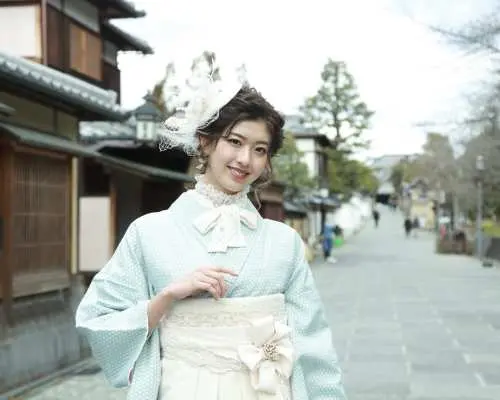

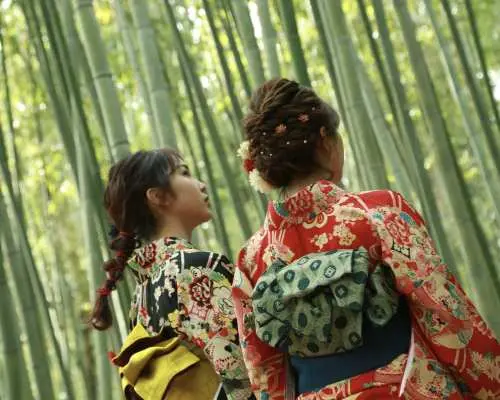
Rental Kimono Okamoto | Kimono rental set (Kyoto: Fushimi Inari store)
This is because we want you to enjoy the time you spend choosing your kimono. You will surely find a unique pattern that suits your taste.
・"Okamoto" is a kimono rental store produced by a long-established textile store with 190 years of history that knows everything about kimonos. They also have a wide selection of carefully selected textiles.
You're sure to find something you won't find at other stores.
・No need to worry, we have a wide range of sizes available! We have a variety of sizes, including S (S), W (Wide), and TL (Tall).
Whether you are petite or tall, you can find a kimono that suits your body type.
・It's like a photo studio! You can take photos easily at the photogenic spots inside the store! It's very popular for taking cute photos! Why not take some photos with your smartphone inside the store? There are a variety of backgrounds, including textile patterns, gardens, and concrete.
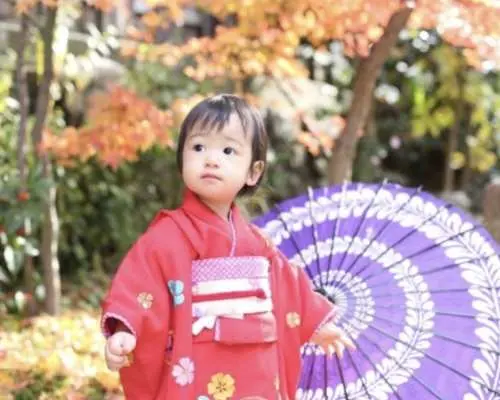
We also lend out Kyoto-style masks, Japanese umbrellas, fluffy dried flowers, and other accessories for photo shoots free of charge.
・All stores are within walking distance of popular tourist spots, and are conveniently located near the station. Popular spots such as Fushimi Inari Taisha Shrine, Kiyomizu-dera Temple, Arashiyama, Gion, Yasaka Shrine, Kodaiji Temple, Yasaka Pagoda, and Yasaka Koshindo are all within 5 to 10 minutes' walk.
・Choose your return method! In addition to returning the car on the same day, you can choose to return it at another store, return it to your hotel, or return it the next day. *Additional fees apply.
Package Options
Cultural Experiences
| Location | Indoor |
| Experience type | Costume rental |
| Outfit type | Kimono |
| Additional service & facility | Photography service |
| Cultural experience type | Traditional culture experience |
| Flower art type | Preserved flower |
Product Info
What You Can Expect
1 Day
- ● Professional dress-up plan for women
- ● Yukata
- ● DECOCO plan kimono
- ● Nagoya obi plan
- ● Women's Hakama Plan
- ● Furisode plan
- ● Special size plan
- ● Men's Kimono Plan
- ● Men's Hakama Plan
- ● Children's Kimono Plan


Purchase Notice
However, long trips are not recommended.
We would appreciate it if you would also consult with your doctor before making any decisions.
Includes/Excludes
- Kimono, obi, obi accessories, colored undergarments, bag, socks, sandals
- Hair set, other options
Reminders
One carry-on suitcase or large piece of luggage per person may be checked in free of charge.
There is no makeup service
How to Redeem Your Voucher
How to Use Your Voucher
- Please present the e-voucher on-site
Experience Location
Location Name: Rental Kimono Okamoto Fushimi Inari store
Address: 45-1 Nakanocho, Fushimi Ward, Kyoto CityCancellation Policy
- Cancellations 2 day(s) (inclusive) before the selected date are allowed. Unused orders can be canceled for free
- Cancellation is not allowed between 0–1 days from the selected date. Orders cannot be canceled or modified, and refunds will not be granted.
- Due to time zone differences, the confirmed cancellation date is based on the supplier’s local time. Please allow 2–5 business days to process your cancellation request, after which the cancellation fee will be charged according to the product’s cancellation policy. Once the cancellation is confirmed, you will receive your refund within 14 working days.
FAQ
For a highly-regarded kimono rental experience in Kyoto, shops like Rental Kimono Okamoto are excellent choices. Okamoto, produced by a 190-year-old textile store, offers a wide selection of unique patterns and styles, including antique and retro-modern designs. Their Fushimi Inari store, for example, is conveniently located within a 5-10 minute walk of popular tourist spots like Fushimi Inari Taisha Shrine, Kiyomizu-dera Temple, and Gion, making it easy to start your day of exploration.
Yes, it is generally considered culturally appropriate and a welcomed experience for foreign visitors to wear kimonos in Kyoto. Many locals appreciate tourists engaging with their culture respectfully. When renting, choose a reputable shop that offers traditional styling and ensures proper dressing, such as those produced by long-established textile stores. This way, you can enjoy immersing yourself in Japanese culture while exploring the historic streets of Kyoto.
When wearing a kimono, it's recommended to wear minimal and simple undergarments. A thin, smooth base layer like a camisole or tank top and shorts can help the kimono drape smoothly. Traditional kimono dressing aims for a flat silhouette, so a non-padded or sports bra is often preferred over underwire bras. Shops typically provide essential underlayers as part of the rental, allowing you to come empty-handed and be comfortably dressed in your kimono.
The entire kimono rental and dressing process usually takes about 30 to 60 minutes. This includes selecting your kimono from a wide range of options, choosing accessories like obi and bags, and then the professional dressing by experienced staff. Shops like Rental Kimono Okamoto are designed to make this experience enjoyable, offering a vast selection and efficient service in a spacious environment, allowing you more time to explore Kyoto's attractions afterward.
The kimono rental process in Kyoto typically involves a few simple steps. First, you select your preferred kimono, obi, and accessories from a diverse collection. Next, professional staff assist with the dressing, ensuring it fits perfectly. After enjoying your day exploring attractions like Kiyomizu-dera or Fushimi Inari, you return the kimono to the shop. For a convenient booking and access to a wide selection of authentic styles and sizes from reputable providers like Rental Kimono Okamoto, consider making your reservation through KKday. KKday streamlines the booking experience and offers options for flexible return methods, such as same-day, next-day, or hotel return (terms apply).
A standard kimono rental package in Kyoto typically includes the kimono itself, an obi (sash), tabi socks, zori sandals, an inner layer, and a small bag. Many shops, like Rental Kimono Okamoto, also provide hairstyling services and decorative accessories such as Japanese umbrellas or ornamental hairpins, often free of charge for photo shoots. The goal is to ensure you have a complete and authentic look for your cultural experience, without needing to bring anything else.
Kyoto kimono rental shops, particularly those like Rental Kimono Okamoto, are strategically located for maximum convenience. Their stores are often within a 5 to 10-minute walk of major tourist attractions such as Fushimi Inari Taisha Shrine, Kiyomizu-dera Temple, Gion, and Yasaka Shrine. This excellent proximity means you can begin your sightseeing immediately after being dressed, saving travel time and enhancing your cultural exploration in Kyoto. They are also conveniently located near public transport stations.
Using the restroom while wearing a kimono requires a bit of technique to keep the garment clean and intact. The most effective method is to lift all layers of the kimono, including the undergarments, upwards from the front and back, holding them securely to avoid touching the floor. It's helpful to practice a squatting motion beforehand if possible. Be mindful of the long sleeves and ensure they don't dangle. Taking your time in a spacious restroom stall will make the process much easier.
Get Help


