


Shiga Biwa Lake Day Trip | Shirahime Shrine & Observation Deck OR Sanzen-in Temple & Mangetsuji Temple, Ukimitsu-do Temple & Omihachiman | Pick-up/drop-off in Osaka or Kyoto
- Traveling through the past and present, visiting ancient temples in Kyoto, and having a romantic encounter at Shirahige Shrine
- Climb high and see far, unlock the beautiful sunset at Lake Biwa Observation Deck
- Visit the historical sites of Omihachiman and enjoy the dreamlike beauty of the lake and water
Package Options


Sightseeing Tours
| Tour Type | Shared tour |
| Transportation method | Transfer from meeting point |
| Minimum participant requirement | 4 travelers |
| Meal arrangement | Arrange yourself |
| Sightseeing type | Natural sights, Temples & shrines, Historic site tour |
| Transport | Bus tour |
Product Info
The content of this product is provided by machine translation and may not reflect the actual information, please take this into consideration before booking.
—Important Notice—
- Each person may bring one piece of luggage free of charge, with no size restrictions (please inform us in advance when registering; if you fail to inform us in advance and cause overcrowding in the carriage, the driver/guide has the right to refuse you boarding, and the fee will not be refunded). Any excess luggage will be charged at 2000 yen per piece on-site.
- Children aged 0-2 years can be held in arms and do not occupy a seat; children aged 3 years and above travel as adults. If a child who does not occupy a seat is not informed of the travel arrangements, the company has the right to refuse boarding, and no refund will be given.
- The tour guide will not contact the tourists in advance. On the day of the tour, tourists need to go to the meeting point on their own and report to the tour guide or staff wearing yellow vests or holding yellow GOGODAY flags. Please understand and cooperate with each other and follow the tour guide's arrangements.
- Reference vehicle types: 5-8 seater: Toyota Alphard; 9-14 seater: Toyota Hice or equivalent; 18-22 seater: minibus; 22 seater and above: large bus. The above vehicles are for reference only and will be adjusted according to the number of participants on the day of the tour.
- Driver-guide service: small group of 1-13 people; Driver + guide service: bus tour of 14-45 people, the actual number of people will be adjusted according to the number of people on the day of departure.
More Kansai itinerary recommendations:
Lake Biwa, one of Japan's symbols, is not only the largest freshwater lake in Japan but also part of a national park, boasting exceptionally well-preserved water quality. Located in the mountainous region of west-central Japan, near Kyoto, it covers a total area of 670 square kilometers. Lake Biwa's beauty varies with the seasons, each offering unique scenery. In particular, its "Eight Views of Lake Biwa" are captivating and unforgettable.


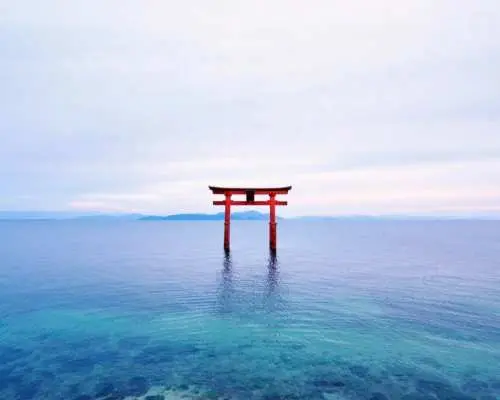
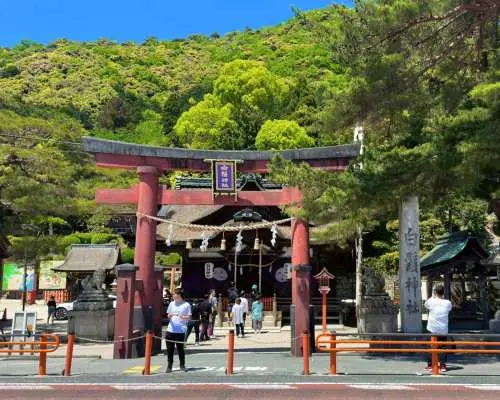
The historic Shirahige Shrine, said to be nearly 2000 years old, is the oldest shrine in the Omi region. Its giant torii gate stands majestically in the lake, both mysterious and imposing, earning it the nickname "Omi Itsukushima" (Omi's Itsukushima Island). Standing on the observation deck overlooking Lake Biwa, the feeling of exhilaration is indescribable. During the autumn foliage season, the mountainsides burst into vibrant red leaves, creating a breathtaking scene reflected in the lake.


Speaking of observation decks, this is undoubtedly the best spot to admire the beauty of Lake Biwa. From here, you can take in the magnificent scenery of Lake Biwa. Whether it's the shimmering lake surface or the distant mountains, you can feel the wonder of nature.


Sanzen-in Temple, nestled in the mountains northeast of Kyoto, is a secluded paradise far removed from the hustle and bustle of the city. Ancient trees reach for the sky, moss carpets the ground, and streams murmur gently, creating a tranquil and Zen-like atmosphere. Its lotus pond, Sanbo-in Temple, Mani-den Hall, and moss garden are just some of the attractions that captivate visitors. The moss garden, in particular, is a place where every step along the mossy path is like stepping into a painting, creating a truly enchanting experience.


Mangetsu-ji Temple, also known as Floating Temple, is one of the most famous attractions on Lake Biwa. Because the temple's structure is elevated above the lake, it appears to float on the water, creating a truly magical scene. Legend has it that it was built by the Heian period monk Genshin to pray for safety on the lake and for the salvation of all beings. The current building was renovated in 1982, but it still retains the beauty of its former self.


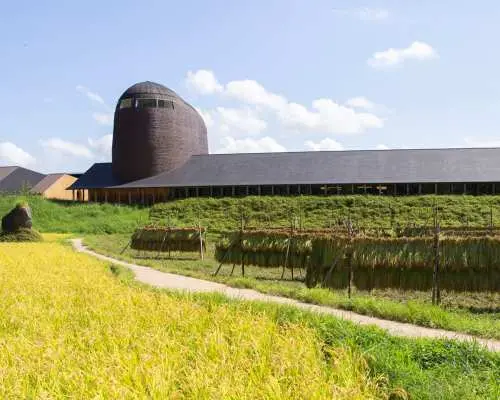
The La Collina complex was meticulously designed by several renowned architects, especially the iconic thatched-roof building, its roof covered in greenery, blending seamlessly with the Hachiman Mountain behind it, appearing as if it grew out of nature. This design is not only aesthetically pleasing but also embodies the philosophy of harmonious coexistence between humanity and nature.


Purchase Notice
【Travel conditions】
- Travel origin and destination: Osaka/Kyoto
- Travel days: Round trip
- Transportation: Chartered bus
- Bus company name: Reisei Tourism Industry Co., Ltd.
- Meals: Breakfast 0 times Lunch 0 times Dinner 0 times
- Accommodation facilities: None
- Minimum number of people in a group: 4
- Team leader: 1
【Travel planning/implementation】
Operating company name: TuYi Group Japan Co., Ltd.
Address: 722 Shuzenji, Izu City, Shizuoka Prefecture
License Number: Shizuoka Prefectural Governor Registered Travel Agency, No. 2-633
Travel Agency Association: Regular Member of the Japan Association of Travel Agents (JATA)
Reminders
A minimum of 4 traveler(s) are required for the tour to depart. If the number of participants does not reach the minimum requirement, the tour will be canceled. An email regarding tour cancellation will be sent 4 day(s) before the departure date
In the event of inclement weather such as typhoons or snowstorms, a decision on whether to cancel the tour will be made 1 day(s) before departure (local time 18:00). Notifications will then be sent via email
Travelers with the following conditions or other health issues that could be worsened by excessive stimulation should not participate in this activity: High blood pressure, Heart disease, Acrophobia, Asthma, Epilepsy, Pregnant women
Please arrive at the designated location 15 minute(s) before the scheduled departure time, as the tour will depart on time
This is a shared ride with fixed itinerary. Customers participating in this tour are requested to adhere to the time allotted at each attraction and follow the instructions of the driver/guide.
No refunds will be given for any absences or cancellations due to personal issues, lateness, or other reasons. Please take note.
If you leave the group midway through the trip, the transaction will be considered invalid, and no refund will be given. Furthermore, you will be solely responsible for any personal injury or property damage resulting from this.
Arrival times for each itinerary may vary depending on traffic conditions, weather, holidays, and crowds. We apologize for any delays or cancellations caused by the aforementioned factors or other unforeseen circumstances, and no refunds will be provided on such grounds.
For smaller groups, a small vehicle with a driver/guide will be used. Please be aware that this is a shared ride service; other guests will be traveling with you, and parking is not allowed outside of tourist attractions.
Traffic jams and other unforeseen circumstances may occur during weekends and public holidays. The driver/guide may adjust the itinerary according to the specific situation. Please be prepared before placing your order.
FAQ
Shirahige Shrine is renowned for its iconic Otorii (grand gate) standing majestically in Lake Biwa, creating a picturesque and spiritual landscape, especially during sunrise or sunset. It is one of Japan's oldest shrines, dedicated to Sarutahiko-no-Mikoto, a deity associated with longevity, good fortune, and guidance. The shrine is often visited for blessings related to marriage, fertility, safe travel, and protection from misfortune, making it a place of deep cultural and spiritual significance.
The name 'Shirahige' literally translates to 'white beard,' referring to the shrine's main deity, Sarutahiko-no-Mikoto, who is often depicted as an elderly figure with a long white beard, symbolizing wisdom and longevity. Historically, Shirahige Shrine dates back over 2,000 years, making it one of Japan's most ancient Shinto shrines. It has long been a pilgrimage site for prayers related to extended life, safe travels, and various blessings, holding a significant place in Japanese spiritual heritage and local culture.
While Shirahige Shrine itself is on the land, its famous Otorii gate is situated in Lake Biwa. Visitors are generally not permitted to swim directly up to or through the Otorii gate for safety and out of respect for the sacred site. The primary activities involve appreciating the scenic beauty, taking photographs of the gate and lake, and offering prayers at the main shrine. It's important to respect local customs, maintain a respectful distance, and avoid loud noises to preserve the tranquil atmosphere.
At Sanzen-in Temple, visitors can expect a serene and deeply spiritual experience, characterized by its stunning moss gardens, vibrant autumn leaves, and historic halls. The temple features two beautiful gardens, Shuheki-en and Yusei-en, which offer tranquil pathways and picturesque views, especially with the unique "warabe jizo" (moss statues). Inside the halls, you can admire precious Buddhist statues and soak in the centuries of history, providing a peaceful escape and a glimpse into Japan's rich cultural heritage.
To fully explore Sanzen-in Temple and appreciate its serene gardens, historical buildings, and various halls, visitors typically need about 1.5 to 2 hours. This allows ample time to wander through the moss gardens, observe the Buddha statues, and enjoy the tranquil atmosphere without feeling rushed. The exact duration can vary depending on your pace and interest in photography or contemplation.
Sanzen-in Temple boasts a rich historical background, believed to have been founded by Saicho, the monk who introduced Tendai Buddhism to Japan, in the early 9th century. Originally located near Mount Hiei, it was later moved to its current location in Ohara. It served as a monzeki temple, meaning its head priests were historically members of the imperial family, highlighting its profound connection to Japan's imperial lineage and its significant role in the development of Tendai Buddhism throughout centuries.
Shirahige Shrine is located by Lake Biwa, and public transportation can be less frequent. A common method involves taking a train to Omi-Takashima Station (JR Kosei Line) and then either a local bus or a taxi for the remaining distance. Alternatively, joining an organized day tour that includes Shirahige Shrine can be convenient, as this often provides direct transportation and eliminates the complexities of navigating public transit and schedules, ensuring a smoother visit.
To reach Sanzen-in Temple from Kyoto city center, the most common and convenient way is by bus. From Kyoto Station, take Kyoto Bus number 17 or 18 towards Ohara. The journey takes approximately one hour, with the final stop being "Ohara". From the Ohara bus terminal, Sanzen-in Temple is a pleasant walk uphill, taking about 10-15 minutes, through a charming village with shops and eateries.
Get Help


