


Kyoto World Heritage Site Day Trip | Kinkaku-ji)& Arashiyama & Sanjusangendo & Kiyomizu-dera Temple | Optional Kobe Beef Lunch (Kuroge Wagyu Beef) | Chinese/English Guide (Departure from Osaka/Kyoto)
- With two departure points in Osaka and Kyoto, you can freely choose to get on and off the train, making your itinerary more flexible.
- With a professional Chinese or English tour leader accompanying you, communication is seamless, making your trip more worry-free.
- Choose from a variety of specialty lunch options, with the option to upgrade to popular dishes such as Kobe beef, one of Japan's three major Wagyu beef varieties.
- A day trip to popular Kansai attractions such as Kiyomizu-dera Temple, Arashiyama, Kinkaku-ji, and Sanjusangendo Temple, with ample time to capture stunning photos of must-see Kansai landmarks.
Package Options


Sightseeing Tours
| Tour Type | Shared tour |
| Transportation method | Transfer from meeting point |
| Departure Time | Late Departure (After 9 am) |
| Minimum participant requirement | 10 travelers |
| Tour types | Guided tour |
| Meal arrangement | Lunch included |
| Sightseeing type | Temples & shrines, Historic site tour, Bus tour |
| Transport | Bus tour |
Product Info
The content of this product is provided by machine translation and may not reflect the actual information, please take this into consideration before booking.
- Attraction Introduction -
- Arashiyama
Arashiyama is a place surrounded by beautiful natural scenery and a long history and culture, boasting not only abundant natural landscapes but also a rich atmosphere of traditional Japanese culture. This region is renowned for its majestic mountains, tranquil bamboo forests, and enchanting streams, where you will immerse yourself in the natural beauty and traditional charm of Japan.
- Kinkaku-ji
Kinkaku-ji, also known as Rokuon-ji, is a renowned cultural heritage site and a UNESCO World Heritage Site. Considered one of Japan's most beautiful temples, Kinkaku-ji attracts countless domestic and international tourists seeking inspiration and aesthetic pleasure.
- Sanjusangendo
The number 33 originates from the belief in Guanyin Bodhisattva, who is all-seeing, compassionate, and can manifest in 33 different forms to guide people to salvation. It is no coincidence that Guanyin Bodhisattva is the principal deity of Sanjusangendo Temple, and that the surrounding halls enshrine 1,000 smaller statues of Guanyin.
- Kiyomizudera Temple
Kiyomizu-dera Temple is located in Kiyomizu, Higashiyama Ward, Kyoto City, and was designated a UNESCO World Heritage Site, "Historic Heritage of Kyoto," in 1994. The stage, supported by 139 pillars, spans across the front of the main hall of Kiyomizu-dera and offers panoramic views of Kyoto from its top. The cityscape below is spectacular, its beauty having captivated people since ancient times. During the seasons when autumn leaves, cherry blossoms, and new greenery bloom, the scenery becomes even more enchanting, attracting a large number of tourists every year.
- Kobe beef shabu-shabu set meal
The itinerary includes enjoying Kobe beef, one of Japan's three highest-grade Wagyu beef representatives. When you put a slice of Kobe beef into your mouth, the delicate marbling melts like snowflakes, and the rich juices dance on your tongue. Every bite releases a fragrant aroma, leaving a lingering aftertaste—it's truly a luxurious feast for the taste buds! Each piece of Kobe beef boasts beautiful, marble-like marbling, the secret to its melt-in-your-mouth texture. The perfect interplay of fat and lean meat creates a rich and layered flavor profile.
If you are a gourmet who seeks the ultimate in delicious food, then Kobe beef is an absolute must-try. It will bring you an unprecedented taste experience, allowing you to truly understand the meaning of "melts in your mouth".
- Kyoto Machiya Pork Shabu-Shabu Set Meal
The itinerary includes a unique and delicious representative dish of the Kyoto region – Kyo-machi-ke Pork and Tofu Set Meal. Featuring high-quality tofu as the main ingredient, paired with local pork, it presents a light, pure, and healthy flavor. The side dishes also include a variety of fresh vegetables, whose sweetness and nutrition greatly enhance the dish.
- Kobe beef sukiyaki pot
Made with high-quality Kobe beef, this hot pot is served in a perfectly balanced sweet and savory sukiyaki sauce, slowly simmered with vegetables, tofu, and konjac noodles, creating a rich and complex flavor profile. The meat is tender and flavorful, a classic Japanese hot pot dish.
- Sukiyaki Kobe Gyudon
Thinly sliced Kobe beef is slowly stewed in a sukiyaki-style sauce, resulting in tender, juicy, and flavorful meat. The fully-seasoned beef is then placed on top of steaming white rice, accompanied by onions and other toppings, creating a mild yet layered Japanese donburi.


The meeting point is a dedicated waiting room, providing a comfortable indoor space.


Kiyomizu-dera Temple was founded in 778 AD and is one of the oldest and most representative Buddhist temples in Kyoto. It was listed as a UNESCO World Heritage Site in 1994. The most famous part of the temple, the Kiyomizu Stage, is built on a hillside and offers panoramic views of Kyoto throughout the four seasons.


Kinkaku-ji, officially known as Rokuon-ji, was built in the 14th century. Originally the villa of Shogun Ashikaga Yoshimitsu, it was later converted into a Zen temple. The most representative building of the temple is the Shariden (relic hall) covered in gold leaf, hence its name "Kinkaku-ji"(Kinkaku-ji). In 1994, Kinkaku-ji, along with many other historic buildings in Kyoto, was listed as a UNESCO World Heritage Site.


Arashiyama is a popular tourist area in Kyoto, combining natural landscapes, historical sites and cultural experiences. Visitors can stroll along the river, ride the sightseeing train, take a boat trip, or visit famous attractions such as the Bamboo Grove and Tenryu-ji Temple.


The Sanjusangendo Hall houses a solemn seated statue of the Thousand-Armed Kannon, along with 1,001 standing statues of the Thousand-Armed Kannon arranged in neat rows. The golden statues are magnificent and awe-inspiring. Each Kannon has a delicate expression and a unique posture, fully demonstrating the superb Buddhist sculpture art of Japan's Kamakura period.
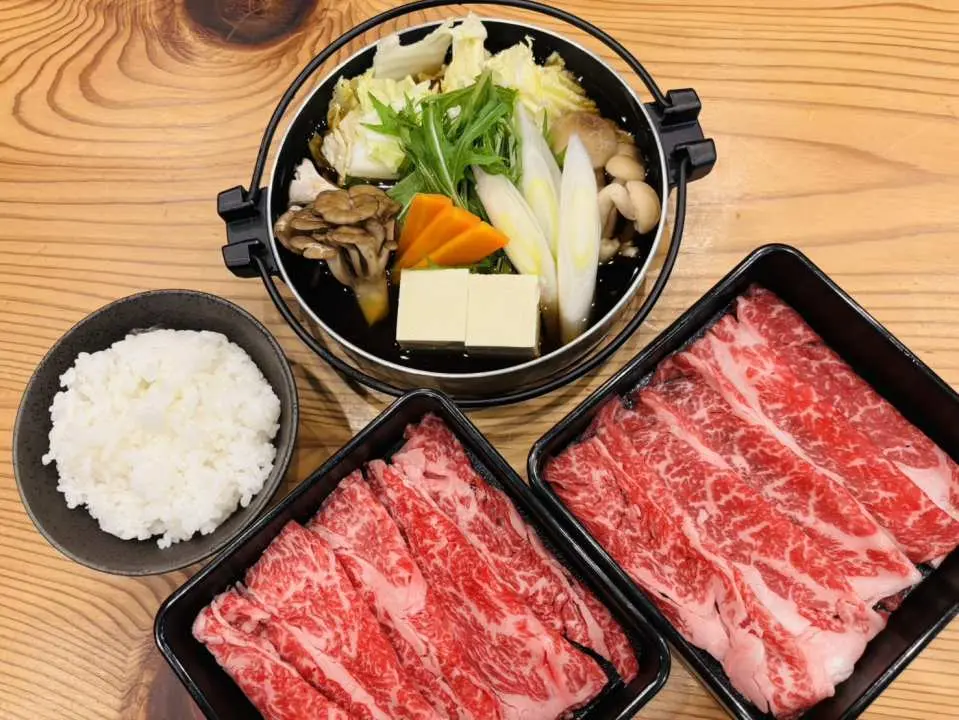

The itinerary includes enjoying Kobe beef shabu-shabu, one of the three highest-grade Wagyu beef varieties in Japan.


Suggested ways to enjoy Kobe beef shabu-shabu


The itinerary includes a unique and delicious representative dish of the Kyoto region - Kyo-machi-ya pork shabu-shabu set meal.
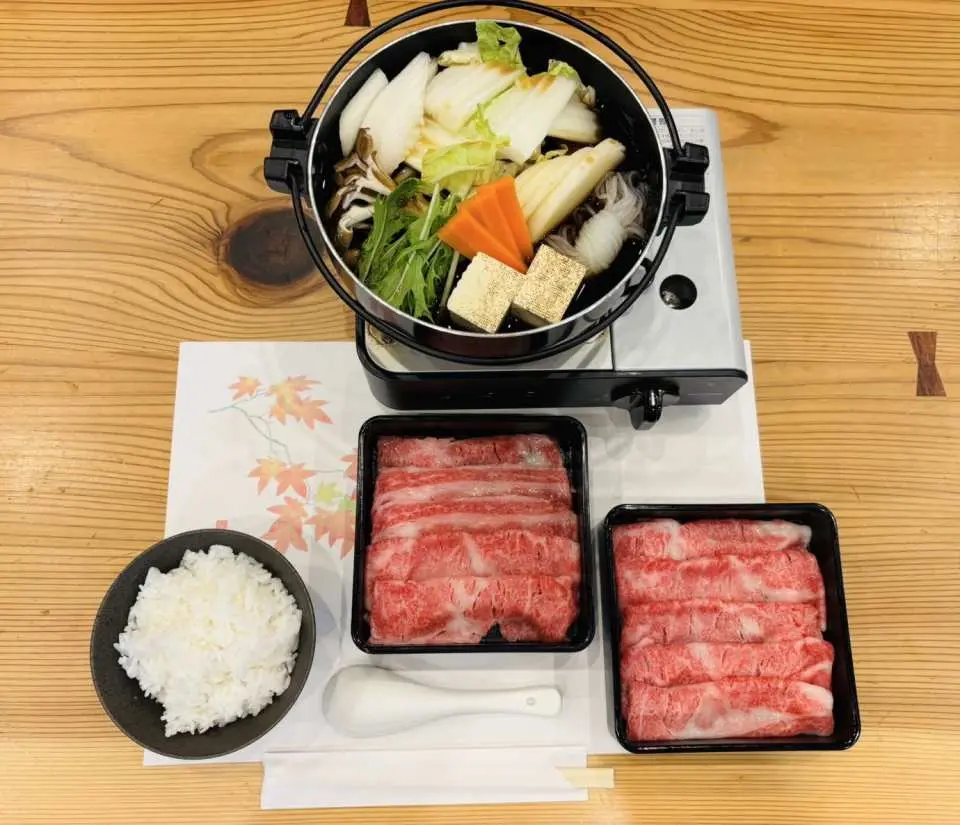
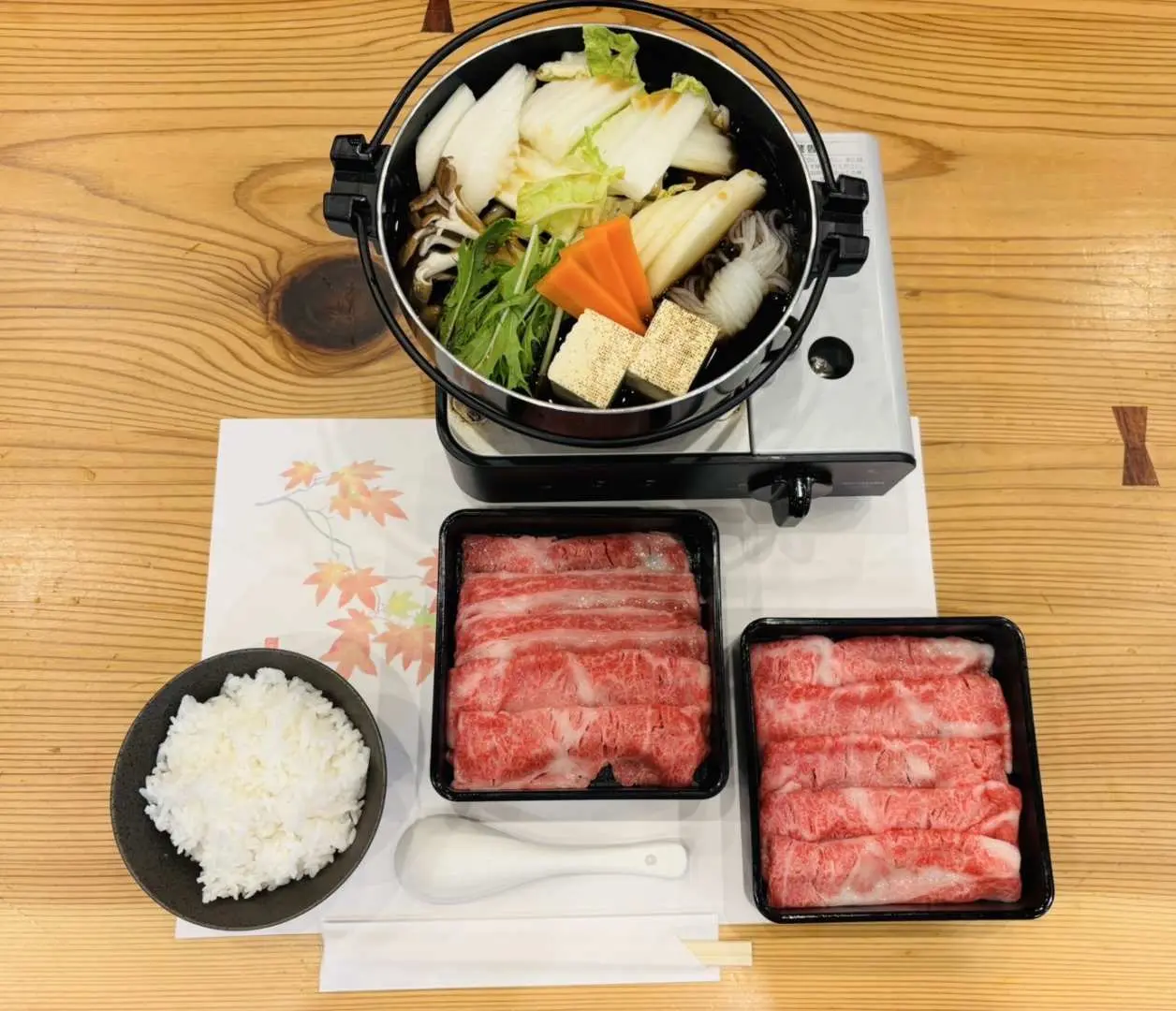
Kobe Beef Sukiyaki Hot Pot: Made with high-quality Kobe beef, this hot pot is served with a perfectly balanced sweet and savory sukiyaki sauce, slowly simmered with vegetables, tofu, and konjac noodles for a rich and complex flavor. The meat is tender and flavorful, a classic Japanese hot pot dish.


Sukiyaki Kobe Beef Donburi: Made with thinly sliced Kobe beef, this dish is slowly simmered in a sukiyaki-style sauce, resulting in tender, juicy, and flavorful meat. The fully flavored beef is served over steaming white rice, accompanied by onions and other toppings, creating a mild yet layered Japanese donburi.
Purchase Notice
[Tourism Conditions]
Travel departure point & destination: Osaka & Kyoto
Trip duration: Day trip
Transportation: Chartered bus
Bus company name: Heisei Electric Bus Co., Ltd.
Meals: Breakfast 0 times, Lunch varies depending on the plan, Dinner 0 times.
Accommodation facilities: None
Minimum group size: 10
Team Leader: 1
【Travel Planning/Implementation】
Operating company name: Heisei Electronics Co., Ltd.
Address: 5-22-26 HEG Hall 5th Floor, Honmachi, Shiki City, Saitama Prefecture
License Number: Tourism Authority Registered Travel Agent No. 2095
Name of travel agency: Japan Travel Agents Association (General Incorporated Company), Regular Member
Reminders
A minimum of 10 traveler(s) are required for the tour to depart. If the number of participants does not reach the minimum requirement, the tour will be canceled. An email regarding tour cancellation will be sent 4 day(s) before the departure date
Please arrive at the designated location 10 minute(s) before the scheduled departure time, as the tour will depart on time
Meals are not included for children under the age of 4
We apologize for any inconvenience caused by unforeseen circumstances such as traffic jams that may result in bus delays and adjustments to the stop times at various attractions.
Please be aware that the size of the vehicle used for the day trip may be adjusted depending on the number of people or the situation on the day.
If you wish to change your pick-up location, please contact customer service two days prior to departure.
FAQ
1. Is Kinkaku-ji (Golden Pavilion) covered in real gold leaf?
Kinkaku-ji, officially named Rokuon-ji, is indeed renowned for its stunning exterior, which is entirely covered in real gold leaf. This lavish application symbolizes a purification from negative influences and was intended to reflect the sun's rays, illuminating the surrounding pond. It creates a breathtaking sight, especially on a sunny day, showcasing its unique historical significance.
2. Can visitors enter the Kinkaku-ji (Golden Pavilion) building?
No, visitors cannot enter the Kinkaku-ji building itself. The Golden Pavilion is primarily admired from the outside as you walk along the designated path through its beautiful gardens. The architectural splendor, the gold leaf reflecting in Kyoko Pond, and the serene landscape are the main highlights of the visit, offering a memorable visual experience.
3. What UNESCO World Heritage Sites in Kyoto are typically visited on a day tour?
A comprehensive Kyoto day tour often includes several prominent UNESCO World Heritage Sites. Popular sites in such itineraries frequently feature Kiyomizu-dera Temple, known for its wooden stage offering panoramic views, and Kinkaku-ji (Golden Pavilion), famous for its gold-leaf-covered exterior reflecting in the pond. Other cultural assets of Ancient Kyoto may also be part of the selection, providing a rich overview of the region's heritage.
4. What attractions are typically included in a Kyoto UNESCO World Heritage day tour?
A typical Kyoto day tour designed to showcase UNESCO World Heritage and popular sites often includes Kinkaku-ji (Golden Pavilion), Arashiyama (with its famous bamboo grove and Togetsukyo Bridge), Sanjusangendo Temple (known for its thousand Kannon statues), and Kiyomizu-dera Temple (a historic wooden temple). These sites offer a blend of natural beauty, historical depth, and cultural significance for a well-rounded day visit.
5. How can visitors efficiently travel between major attractions like Arashiyama and Kiyomizu-dera Temple in Kyoto?
Traveling efficiently between Kyoto's dispersed attractions like Arashiyama and Kiyomizu-dera Temple can be challenging using public transport with multiple transfers. An organized day tour offers a convenient solution with dedicated bus transportation, reducing travel time and the hassle of navigating different routes. This allows for more time at each site and a comfortable, guided journey, maximizing your visit.
6. What can visitors experience at Arashiyama, and when is the best time to visit?
Arashiyama offers a diverse experience, including its iconic Bamboo Grove, the picturesque Togetsukyo Bridge over the Hozugawa River, and various temples like Tenryu-ji. Visitors can enjoy leisurely strolls, boat rides, and scenic views. While beautiful year-round, spring (cherry blossoms) and autumn (fall foliage) are particularly popular for their stunning natural beauty and vibrant colors, making them ideal times to visit.
7. What are the highlights of visiting Kiyomizu-dera Temple in Kyoto?
Kiyomizu-dera Temple, a UNESCO World Heritage site, is famous for its large wooden stage that juts out from the main hall, offering spectacular panoramic views of Kyoto city, especially during cherry blossom and autumn foliage seasons. Visitors can also drink from the Otowa Waterfall, believed to grant wishes, and explore the surrounding traditional shops along the approach, adding to the cultural experience.
8. Is a tour guide provided for a Kyoto day tour visiting multiple heritage sites?
Yes, many organized day tours covering multiple heritage sites in Kyoto, such as Kinkaku-ji and Kiyomizu-dera Temple, typically include a professional tour guide. For instance, a guide fluent in Chinese and English can accompany the group, offering valuable insights into the history and culture of each site, enhancing the overall understanding and experience compared to a self-guided visit.


