
![[Korean Guide] Vietnam Hue Tour (Danang/Hoi An pick-up, Hai Van Pass, royal tombs, temples)](https://image.kkday.com/v2/image/get/c_fill%2Ch_800%2Cq_55%2Ct_webp%2Cw_1240/s1.kkday.com/product_150914/20230829030212_JvYsc/jpg)
![[Korean Guide] Vietnam Hue Tour (Danang/Hoi An pick-up, Hai Van Pass, royal tombs, temples)](https://image.kkday.com/v2/image/get/c_fill%2Ch_400%2Cq_55%2Ct_webp%2Cw_500/s1.kkday.com/product_150914/20230829030211_NmNbU/jpg)
![[Korean Guide] Vietnam Hue Tour (Danang/Hoi An pick-up, Hai Van Pass, royal tombs, temples)](https://image.kkday.com/v2/image/get/c_fill%2Ch_400%2Cq_55%2Ct_webp%2Cw_500/s1.kkday.com/product_150914/20230829030214_sEzEI/jpg)
[Korean Guide] Vietnam Hue Tour (Danang/Hoi An pick-up, Hai Van Pass, royal tombs, temples)
- Tour Hai Van, one of the world's top 10 secret scenic spots, and Hue, home to the royal palace of Vietnam's last dynasty, with a Korean-speaking guide.
- You can choose between a join-in tour or a solo tour.
- Even if you take a join tour with a Korean-only product, the tour will only be held with other Koreans.
Product Info
The content of this product is provided by machine translation and may not reflect the actual information, please take this into consideration before booking.
✨ Features of this product
- Join/Exclusive selection process
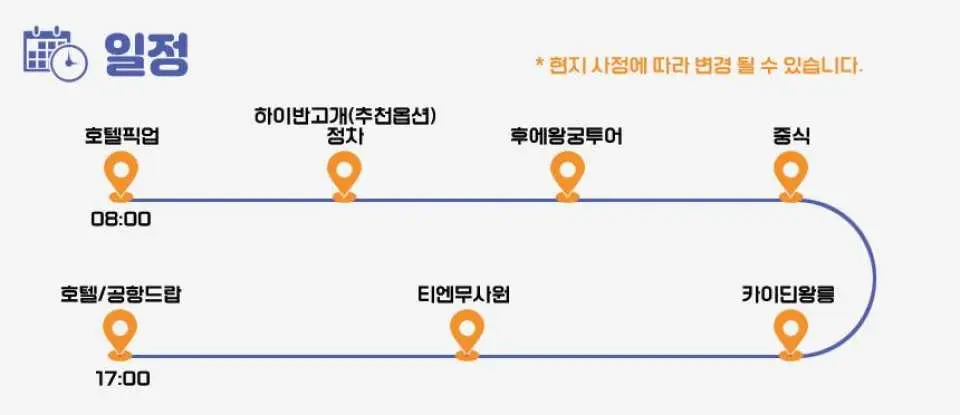
- Passing through Hai Van Pass, a foggy road with the meaning of wind and clouds
- Vietnam's last dynasty imperial palace tour
- The magnificent Mausoleum of Emperor Khai Dinh, a mixture of Vietnamese and European architectural styles
- Thien Mu Temple, famous for its octagonal seven-story pagoda
- Local Chinese food provided
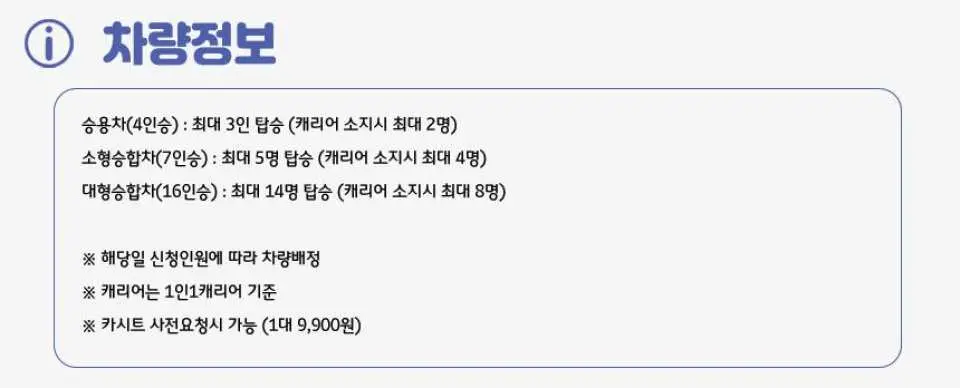
- Luggage storage available (easy to change hotels)








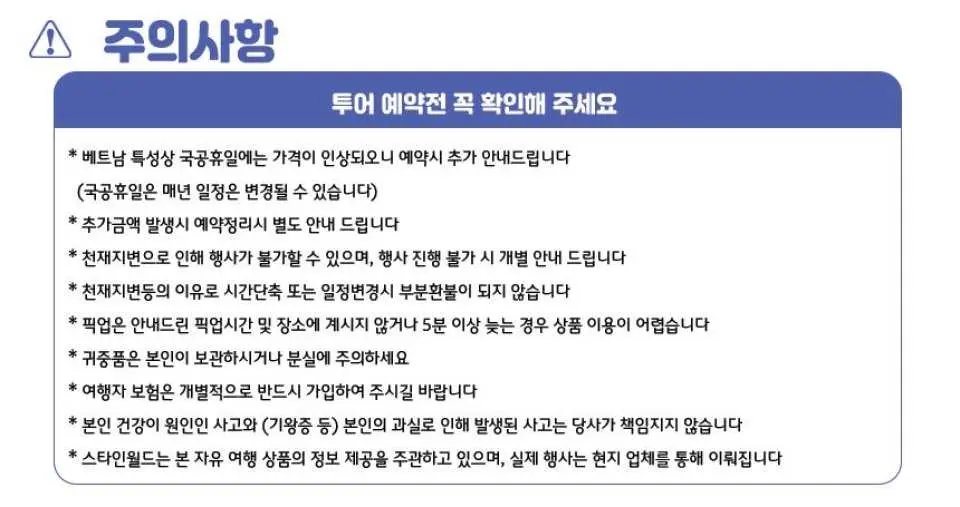

Purchase Notice
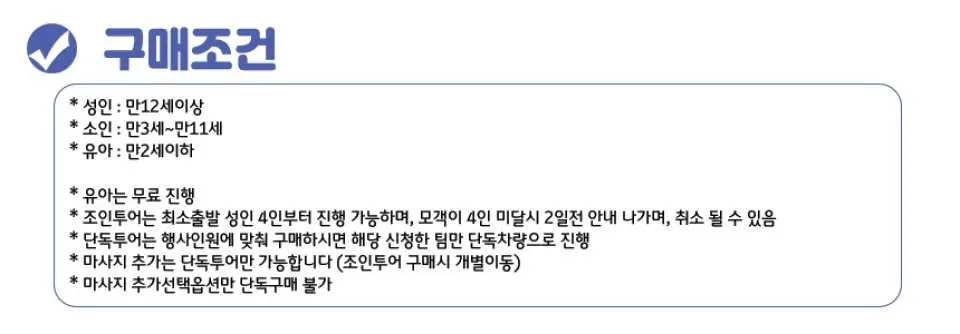
- Join-in tour products are for large groups of people, and can depart with at least 4 adults.
(If we do not have enough passengers for the minimum departure number of 4, we will inform you individually 2-3 days prior to the tour date.) - If you purchase a solo tour according to the number of people in the event, only the team that applied will travel in a private vehicle.
- Additional massages are only available on individual tours. (When purchasing a join tour, individual transfers)
- The additional massage option cannot be purchased separately.
- For adults and children: Adult - 12 years or older / Child - 11 years or older / Infant (free) - 2 years or younger
- The event will be held even if it rains.
- If the tour is determined to be impossible due to bad weather, we will notify you via KakaoTalk and provide a 100% refund.
- If you do not participate in the tour or cancel at your own discretion, no refund will be given. - If you are not at the indicated pick-up time and location, or are unable to participate in the tour due to tardiness, you will be treated as a no-show and no refund will be given.
- You can store your luggage in the vehicle, but please take your valuables with you.
- We will notify you separately if additional charges occur.
- The event may be canceled due to natural disasters, and individual notification will be provided if the event is unable to proceed.
- Partial refunds will not be issued if the time is shortened or the schedule is changed due to natural disasters, etc.
- It is difficult to use the product if you are not at the pickup time and location provided or are more than 5 minutes late.
- Please keep your valuables to yourself or be careful not to lose them.
- Please make sure to purchase travel insurance individually.
- Injuries due to personal carelessness will be covered through travel insurance, so please bring a receipt for local medical treatment.
- We are not responsible for accidents caused by your health (pre-existing conditions, etc.) or accidents caused by your own negligence.
- We are responsible for providing information on this independent travel product, and the actual event is conducted through a local company.
- Information on additional costs for national holidays
1. Due to the nature of Vietnam, prices will increase by 30% during the following national holidays, so please refer to the applicable period when making a reservation.
2. The schedule may change every year.
- Approximately 7 days each year, including before and after the Korean Lunar New Year
[Cancellation processing business days and times]
* Cancellation reception criteria: 10:00 to 18:00 on weekdays (excluding weekends and public holidays)
* Applications received after operating hours will be applied as of the next business day.
Reminders
A minimum of 4 traveler(s) are required for the tour to depart. If the number of participants does not reach the minimum requirement, the tour will be canceled. An email regarding tour cancellation will be sent 2 day(s) before the departure date
FAQ
Yes, Hue City is highly regarded for its rich history and cultural heritage. It served as the imperial capital of Vietnam's Nguyen Dynasty for over 140 years, boasting a wealth of UNESCO World Heritage Sites. Visitors can explore the ancient Imperial City, magnificent royal tombs, and serene pagodas, offering deep insights into Vietnam's past imperial grandeur and spiritual traditions. The city also offers unique culinary experiences and picturesque landscapes along the Perfume River.
To thoroughly experience Hue's major historical attractions, including the Imperial City, several royal tombs, and key pagodas, a recommended visit duration is typically one to two full days. This allows ample time to immerse yourself in the rich history and intricate architecture of these sites without rushing, providing a comprehensive understanding of Hue's imperial past.
The Hue Royal Tombs are elaborate final resting places for emperors of the Nguyen Dynasty, each designed with unique architectural styles that reflect the emperor's personality and philosophy. Key features include grand courtyards, ornate temples, pavilions, and elaborate stone sculptures, set within beautiful natural landscapes. They are historically significant as they showcase Vietnamese imperial art, architecture, and beliefs, offering a glimpse into the dynasty's power and cultural richness.
Driving through Hai Van Pass offers breathtaking panoramic views where the mountains meet the sea. Travelers can experience winding roads through lush jungles, dramatic cliffs, and stunning vistas of the coastline, including Da Nang Bay and the East Sea. Highlights often include stops at viewpoints for photography, exploring remnants of old bunkers, and appreciating the pristine natural beauty of this famous coastal mountain pass.
To optimize time in Hue City, consider grouping attractions by their geographical location. Start with the Imperial City (Citadel) in the morning, then dedicate the afternoon to visiting royal tombs located south of the city, such as Minh Mang and Khai Dinh tombs, which are typically visited together due to their proximity. Utilizing comfortable transportation for efficient travel between sites is also highly recommended for maximizing your exploration.
A Korean-speaking guide can greatly enhance the tour experience by offering in-depth historical narratives and cultural context specific to Hue's imperial past and Vietnamese traditions, all explained clearly in Korean. They can share local insights, stories, and anecdotes not commonly found in guidebooks, facilitating a deeper understanding of the sites visited. Additionally, a guide helps with navigation and provides practical advice, ensuring a smooth and enriching journey.
Common transportation options for reaching Hue City from Da Nang or Hoi An include private car services, local buses, or trains. Private car hire offers convenience and flexibility, often including scenic routes like the Hai Van Pass. Buses are a more budget-friendly option, while trains provide a unique perspective of the landscape. This tour specifically offers convenient pick-up service directly from Da Nang or Hoi An, ensuring a hassle-free start to your journey to Hue.
Beyond the impressive royal tombs, must-see historical sites in Hue City include the Imperial City (Citadel), a vast complex of palaces, temples, and gates that served as the administrative center of the Nguyen Dynasty. Another significant site is the Thien Mu Pagoda, an iconic seven-story pagoda situated along the Perfume River, renowned for its beautiful architecture and spiritual significance. Both offer unique glimpses into Vietnam's imperial and religious heritage.
Get Help


