

Tainan One-day Tour: Anping Fort & Sicao Green Tunnel & Blueprint Cultural and Creative Park|Chinese, English, Japanese and Korean Tour Guide Service|Departure from Kaohsiung
Explore Tainan’s highlights like Anping Fort, Anping Tree House, and Anping Old Street. Visit Southern Taiwan's most beautiful museum and the vibrant Blueprint Cultural and Creative Park. Enjoy guided tours in Mandarin, English, Japanese, and Korean, offering insights into Tainan's rich culture, history, and geography.
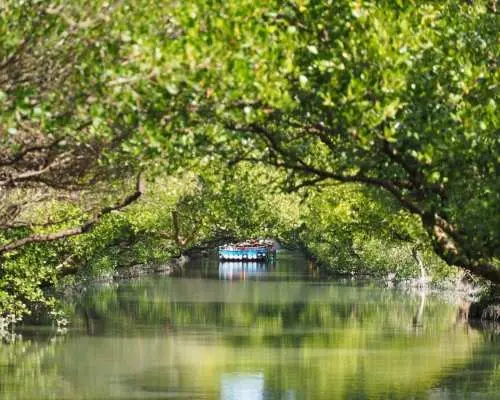
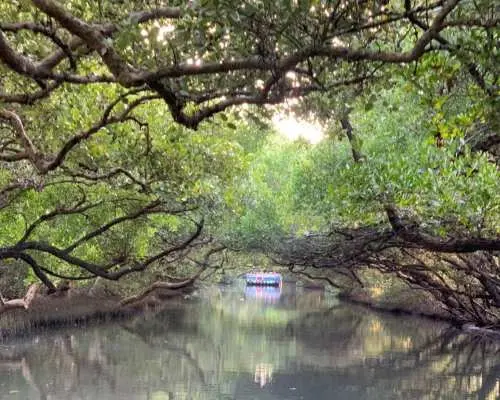
- Discover the Sicao Green Tunnel, where calm waters reflect the mangroves, creating a lush, half-circle canopy—earning it the nickname "Little Amazon"
- Visit Blueprint Cultural and Creative Park, filled with unique shops and vibrant murals, making it a popular spot for photos
- Enjoy guided tours in Mandarin, English, Japanese, and Korean, offering detailed insights into Tainan's culture, history, and highlights
Package Options


Sightseeing Tours
| Transportation method | Transfer from meeting point |
| Tour types | Guided tour |
| Sightseeing type | Museum tour, Japanese castles, Historic site tour, Eco-tourism |
| Transport | Charter car, Sightseeing cruise |
| Cruise type | River boating |
Product Info
The content of this product is provided by machine translation and may not reflect the actual information, please take this into consideration before booking.
- Itinerary Information -
Meeting time: 08:15
Meeting point: Exit 11 of Formosa Boulevard MRT station (Korean-language guided tours are available at Exit 6 of Formosa Boulevard station).
Passengers are advised to arrive at the meeting point 10 minutes before the scheduled time. Trip length: Approximately 11 hours. Return information: Approximately 7:00 PM, disembark at Exit 8 of the Formosa Boulevard MRT station. Vehicle type: 5-seater or 9-seater vehicle, minibus or bus (actual arrangement based on the number of passengers on the day).
Language services: Chinese/English/Japanese/Korean Itinerary details:
08:15 Meeting point: Exit 11 of Formosa Boulevard Station (In Korean, the location is Exit 6 of Formosa Boulevard Station)
09:10 Chimei Museum 110 points
11:30 Anping Ancient Castle, Anping Old Street, Anping Tree House (Lunch included) 150 minutes
14:15 Four Grass Green Tunnel 85 minutes
15:55 Orthodox Deer Gate Temple (35 minutes)
17:00 Blue Print Cultural and Creative Park (40 minutes)
19:00 Get off at Exit 8 of Formosa Boulevard Station (End of trip)
Chimei Museum


Anping Ancient Castle


Anping Tree House

Anping Old Street


Four Grass Green Tunnel


Deer Ear Gate Temple


Blue Print Cultural and Creative Park


Purchase Notice
- If the number of people purchasing a Japanese or Korean tour guide is less than 15, English service will be provided instead.
- Open booking time for Korean itineraries: Tuesday and Friday
- Booking opening time for Chinese, English and Japanese tours: Tuesday and Friday
- If you have luggage or a stroller with you, please let us know in the comments after placing the order.
- Get on the bus in order of check-in. Seats cannot be assigned.
- Latecomers cannot cancel or refund fees. If you want to continue participating in the itinerary, please take a ride to the meeting point by yourself
- The scheduled time is for reference only. The actual time may be adjusted depending on the crowds at attractions and traffic conditions on that day.
- In case of temporary situations such as traffic jams or accidents, the order of attractions in the itinerary may be adjusted. Please forgive us.
Reminders
A minimum of 15 traveler(s) are required for the tour to depart. If the number of participants does not reach the minimum requirement, the tour will be canceled. An email regarding tour cancellation will be sent 1 day(s) before the departure date
Travelers with the following conditions or other health issues that could be worsened by excessive stimulation should not participate in this activity: High blood pressure, Epilepsy
Please arrive at the designated location 10 minute(s) before the scheduled departure time, as the tour will depart on time
FAQ
Anping Fort, originally Fort Zeelandia, is renowned as Taiwan's oldest fort, built by the Dutch in the 17th century. It served as a vital international trading hub and administrative center. Today, it showcases significant historical artifacts, ancient cannons, and offers panoramic views from its tower, providing deep insights into Taiwan's colonial past and strategic importance.
The most comfortable time to visit Anping Fort is typically during autumn and winter, from October to March. The weather is cooler and drier, making it ideal for exploring the outdoor grounds and historical sites. Summers (June to September) can be hot and humid, with a higher chance of rain, though indoor exhibits still provide a good experience.
For Anping Old Street, visitors should plan for approximately 1.5 to 2.5 hours. This allows ample time to stroll through the narrow alleys, sample local Tainan snacks like shrimp rolls and oyster omelets, browse unique souvenirs, and soak in the historical atmosphere. Including nearby attractions like Anping Tree House or Anping Fort will extend the overall visit duration.
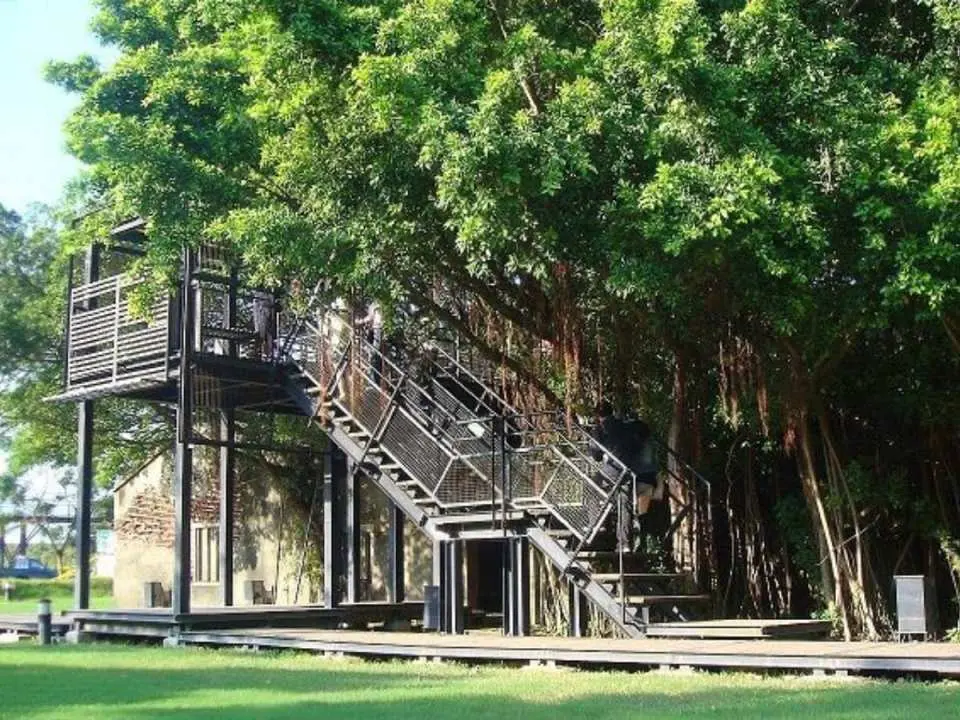
Beyond historical sites like Anping Fort, Anping District offers diverse activities. Visitors can explore the Anping Tree House, where Banyan roots intertwine with an old warehouse, creating a unique natural spectacle. Enjoy a boat tour through the Sicao Green Tunnel, known as "Little Amazon," or wander through the vibrant shops and street art at Blueprint Cultural and Creative Park. The district is also famous for its local delicacies.
The Sicao Green Tunnel is unique for its captivating natural beauty, often called Taiwan's "Little Amazon." Visitors take a raft boat ride through a serene mangrove forest, where the dense canopy forms a lush, half-circle tunnel reflected perfectly in the calm waters. This tranquil journey offers a rare opportunity to observe diverse ecosystems and local wildlife in a peaceful, immersive setting.
At Blueprint Cultural and Creative Park, visitors can explore a lively area transformed from old judicial dormitories. It features unique shops selling handmade crafts, designer goods, and local products. The park is renowned for its vibrant murals and art installations, making it an excellent spot for photography. You can also find cafes and small eateries, providing a relaxing atmosphere for leisure and discovery.
To efficiently navigate Tainan's attractions like Anping Fort and Sicao Green Tunnel, several options are available. Taxis or ride-sharing apps offer direct transportation. The Tainan City Bus system is extensive, with routes connecting major sites; checking specific bus numbers and routes beforehand is advisable. For a more structured and convenient experience, joining a guided tour that includes transportation to multiple key attractions can be very efficient.
Guided tours provide invaluable insights into Tainan's rich history and Anping Fort. Expert guides illuminate the fort's strategic importance, explaining its construction by the Dutch and subsequent use by Koxinga. They share stories of Tainan's past as Taiwan's former capital, detailing its cultural evolution, significant events, and local traditions. This enhances understanding beyond what might be gathered from self-guided exploration.
Get Help


