


Day Trip to Kyoto and Nara, Japan: Kiyomizu-dera Temple, Hanami-koji, Fushimi Inari Shrine, and Nara Park | Guaranteed Departure
- Local professional "old driver", reliable and considerate service, detailed understanding of the local customs and culture of Japan
- Classes depart every day, and only one person can make the trip
- Optional hotel pickup and drop-off in downtown Osaka eliminates the hassle of route planning and complicated public transportation
- Explore the best of Kansai in one day, visit Kiyomizu-dera Temple and rub shoulders with geishas in Gion
Package Options


Product Info
The content of this product is provided by machine translation and may not reflect the actual information, please take this into consideration before booking.
- Kiyomizudera area
Recommended itinerary
Kiyomizu-dera Temple (tickets at your own expense) - Ninnenzaka and Sannenzaka - Ishibe-koji - Gion and Hanami-koji - Yasaka Shrine
Guests can choose to visit some attractions according to their preferences and physical condition.
Additional recommended attractions:
Gion's Hanami-koji is a renowned, ancient flower street. In the 1960s, Kyoto boasted nearly a thousand geisha, and today, dozens of geisha instructors provide training in traditional tea ceremony, flower arrangement, koto, gagaku, kyogen, maiko, and bunraku. Entering Hanami-koji, a sense of antiquity washes over you: delicate teahouses line the streets, their wooden lattice windows tightly closed. This enigmatic path stretches approximately one kilometer from north to south. The northern section is modern, the southern traditional, each with its own distinct charm and flair.
(You can enjoy a local Kyoto lunch and admire the ancient Japanese-style buildings, and take photos with your mobile phone camera)
- Fushimi Inari Taisha Shrine
Fushimi Inari Taisha, renowned for its Thousand Torii Gates, attracts countless visitors from both Japan and abroad each year. For three consecutive years, it has been ranked #1 among Japan's most popular attractions for foreigners by the world's largest travel website. Here, pray for yourself and your loved ones. Furthermore, the ema at Fushimi Inari Taisha is unique, featuring white fox-shaped ema, allowing you to create a variety of expressive expressions.
- Nara Park
Nara Park, an urban park located at the foot of Mount Wakakusa in Nara City, is home to Nara's famous historical sites, such as Todai-ji Temple and Kasuga Taisha Shrine, making it a must-see for any visitor to Nara. Mount Wakakusa, located nearby, offers stunning panoramic views of Nara and is the site of traditional festivals such as the Wakakusa Burning Festival every January. A leisurely stroll through the park is the best way to explore. It is also home to the largest concentration of deer, and feeding the adorable fawns is a popular attraction. The deer are known for their friendly nature, often approaching visitors with deer biscuits, so beware of swarms of deer that might pounce on you.
- Shinsaibashi and Dotonbori areas
Guests can choose to explore the Shinsaibashi area of Osaka for approximately one hour. After the tour, guests with the boarding package will disperse directly in the Shinsaibashi area. Guests with the hotel/homestay transfer package will wait for the shuttle bus to arrive and be transferred back to their hotel/homestay.
Shinsaibashi: Osaka's most famous shopping street, home to major department stores, chain drugstores, established brands, and smaller shops. You'll find a wide range of goods and styles, including Hello Kitty and Disney stores. It's also a hub for drugstores, offering a wide selection of cosmetics and skincare products. Most shops offer Chinese-speaking guides and accept UnionPay cards, making shopping a breeze.
Dotonbori: Synonymous with Osaka's culinary scene, this street never rests, day or night. As the birthplace of Osaka's "eat until you drop" culinary culture, Dotonbori boasts a diverse selection of delicious snacks like takoyaki, okonomiyaki, and Jinlong ramen, as well as traditional Japanese izakayas and internet-famous restaurants like the beloved Kani Doraku.
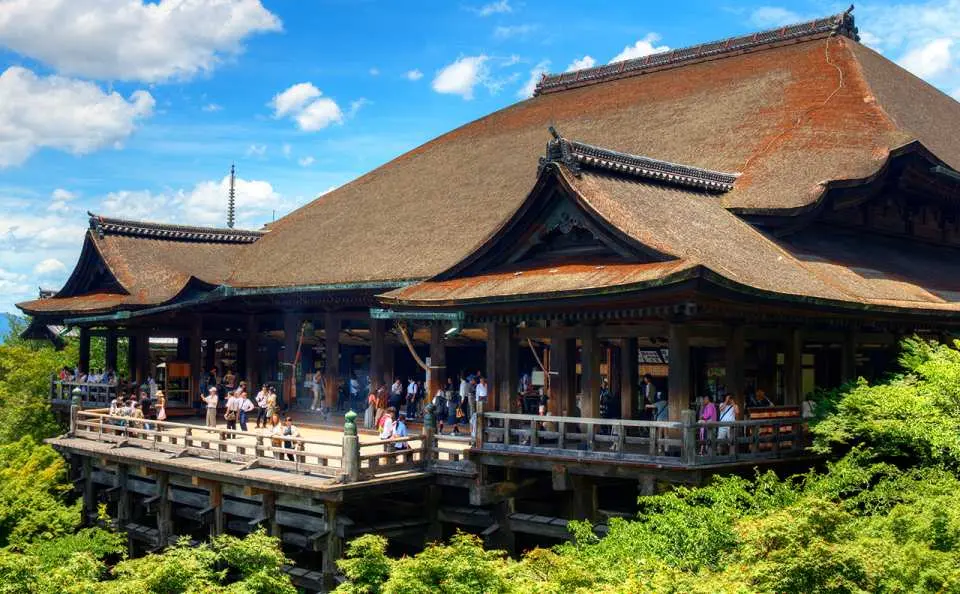
Additional Recommendation: Kiyomizu-dera Temple, a World Heritage Site and a popular tourist attraction in Kyoto. Founded in 778, it's Kyoto's oldest temple and a designated National Treasure. Jishu Jinja Shrine, located north of the main shrine, is a shrine dedicated to matchmaking and romantic luck in Japan.

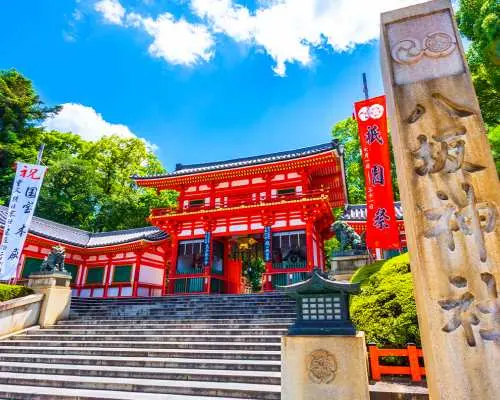
Recommended: Yasaka Shrine, located in Kyoto's Higashiyama district, is one of the most famous and historic shrines in the Kansai region. There are dedicated areas for fortune-telling, writing ema (card game), and receiving amulets. The ema designs are diverse, and heart-shaped ema (card game) for love are particularly popular.


Additional recommendation: [Ishibe-Alley] Turn right at the end of Ninenzaka and continue walking north to reach Ishibe-Alley. There are fewer tourists here. Elegant traditional Japanese houses are located on both sides of the cobblestone path, making you feel like you are going back in time, away from the hustle and bustle, and returning to tranquility.


Recommended: Ninenzaka and Sannenzaka, located just outside Kiyomizu-dera Temple, are uniquely Kyoto-style slopes designated as an Important Traditional Buildings Preservation Area. Flanking the slopes are charming, ancient Japanese buildings, offering a rich Japanese atmosphere. The area is also home to a dazzling array of delicious food, paper fans, dolls, chopsticks, and other handicrafts.


Additional Recommendation: Todai-ji Temple, also known as Daikegon-ji Temple, was built in 752 by Emperor Shomu to enshrine the Great Buddha and serve as the head temple of Japanese monasteries. It is the main temple of the Kegon school. Two fires destroyed the building, and the current structure, rebuilt in 1692, is two-thirds of the original. The main Buddha Hall of Todai-ji Temple, with a frontage of 57 meters wide and 50 meters deep, is the largest wooden building in the world. Within the Great Buddha Hall, the 99 Rushana Buddha statue, over 15 meters tall, is housed. Other temples within Todai-ji include the Nandaimon Gate, Nigatsu-do Hall, and Sangatsu-do Hall.


Purchase Notice
- Each person can bring one piece of luggage for free, regardless of size (please note when registering)
- Children aged 0-2 years old can be accommodated free of charge, provided they do not occupy a seat; please inform us in advance. Children aged 3 years and above are charged the same as adults. Hotel pick-up and drop-off for small groups is available for children aged 0 and above.
- If you do not pre-book the number of children under 3 years old who do not occupy a seat, resulting in insufficient space on the bus, you will be refused boarding and the fee will not be refunded
- Driver-guide service (small groups of 1-13 people; bus groups of 14-45 people, the actual number of people in the group will be adjusted according to the departure date)
- Reference vehicle types: 5-8 seater: Toyota Alphard; 9-14 seater: Toyota HAICE or similar; 18-22 seater: minibus; 22 seater and above: large bus. The above vehicles are for reference only and will be adjusted based on the number of people on the day of departure.
【Travel Conditions】
- Travel origin and destination: Osaka and Kyoto
- Travel days: Round trip
- Transportation: Chartered bus
- Bus company name: Reisei Tourism Industry Co., Ltd.
- Meals: Breakfast 0 times, Lunch 0 times, Dinner 0 times
- Accommodation facilities: None
- Minimum number of people in a group: 1
- Team leader: 1
【Travel Planning/Implementation】
- Operating company name: TuYi Group Japan Co., Ltd.
- Address: 722 Shuzenji, Izu City, Shizuoka Prefecture
- License exemption number: Registration number Shizuoka Prefecture Governor Registration Travel Industry No. 2-633
- Travel Industry Association Name: Regular member of Japan Travel Industry Association
Reminders
In the event of inclement weather such as typhoons or snowstorms, a decision on whether to cancel the tour will be made 1 day(s) before departure (local time 18:00). Notifications will then be sent via email
Travelers with the following conditions or other health issues that could be worsened by excessive stimulation should not participate in this activity: High blood pressure, Heart disease, Acrophobia, Asthma, Epilepsy, Pregnant women
Please arrive at the designated location 10 minute(s) before the scheduled departure time, as the tour will depart on time
Once the order is confirmed, the date cannot be changed at will. If any loss is caused, you will be responsible for it yourself.
Please note that no refunds will be given if you fail to participate or cancel the trip due to personal issues, lateness, etc.
When making a reservation, be sure to provide complete information (name + number of people + phone number + WeChat ID + boarding location) to avoid errors and thus affect your trip.
The arrival time of each tour may vary depending on traffic conditions, weather, festivals, and crowds. If the tour is delayed or cancelled due to the aforementioned or other force majeure factors, please understand that this is not a valid reason for requesting a refund.
Elderly individuals, those with cardiovascular conditions such as hypertension or heart disease, and pregnant women are advised to be accompanied by a relative. This tour does not accept individual registrations for those under the age of 18. If you wish to register, a guardian must also register with you.
Please wear comfortable clothing and shoes for this tour.
Please be sure to abide by local laws and regulations in Japan and do not bring items prohibited by Japanese law to avoid violating the law and affecting your rights.
This is a fixed carpooling itinerary. Please be sure to abide by the stopover time at each attraction and follow the driver's instructions.
During your trip, please carry your passport and valuables with you and keep them safely. You will be responsible for any loss, theft, or damage.
If you leave the group during the trip, the transaction will be deemed invalid and no refund will be given. If any personal or property safety is affected as a result, the consequences will be borne by the individual.
The specific boarding time and the tour leader's license plate information will be sent to your email by 21:00 Japan time on the day before departure. Please check your email at that time. If you do not receive the email, please contact us immediately.
The return trip does not stop in Kyoto and the group will only disband in Osaka.
FAQ
Kiyomizu-dera Temple is renowned for its iconic main hall, Kiyomizu-no-Butai, a large wooden stage built without a single nail, offering panoramic views of Kyoto. Visitors can also experience the Otowa Waterfall, where three streams of water are believed to grant wishes related to longevity, success, and love. The temple grounds also house the Jishu Shrine, famous for its 'love stones' that daters attempt to walk between with their eyes closed for good fortune in finding love.
Beyond its architectural marvels, Kiyomizu-dera Temple is deeply rooted in Buddhist traditions. Visitors often partake in the spiritual practice of drinking from the three streams of Otowa Waterfall, each associated with different blessings: longevity, success in studies, and fortunate love. It's also customary to visit the Jishu Shrine, dedicated to the deity of love and matchmaking, where many pray for romantic fulfillment by attempting to walk between its two 'love stones'.
Kiyomizu-dera Temple is a prominent Buddhist temple, specifically associated with the Hosso sect of Buddhism. It's one of Japan's most celebrated temples, founded in 780, and is a designated UNESCO World Heritage site. While there is a Shinto shrine (Jishu Shrine) located within its grounds, the main complex and its primary religious practices are Buddhist.
When visiting Fushimi Inari Shrine, allow approximately 1.5 to 2 hours to explore the main pathways and some of the iconic torii gate tunnels. For Nara Park, allocate about 2 to 3 hours to interact with the famous deer, visit Todai-ji Temple with its Great Buddha, and wander through the scenic park. An organized day trip often provides a well-paced itinerary to ensure a comprehensive experience at both sites.
From Kyoto, Fushimi Inari Shrine is easily accessible via the JR Nara Line to Inari Station. To reach Nara Park from Fushimi Inari or Kyoto, take the JR Nara Line to Nara Station, then it's a short walk or bus ride. For maximum convenience and a stress-free experience, an organized day trip from either Kyoto or Osaka offers direct, comfortable transportation, eliminating the need to navigate public transit routes and transfers.
Nara Park is a captivating destination primarily due to its large population of wild sika deer, which are considered messengers of the gods and roam freely throughout the park. Visitors can purchase 'shika senbei' (deer crackers) to feed them, creating a unique and interactive experience. Beyond the deer, the park is home to significant historical sites like Todai-ji Temple, housing a colossal bronze Buddha statue, adding to its cultural appeal.
Starting a Kyoto and Nara day trip from Osaka offers significant convenience, especially if your accommodation is located there. It eliminates the need to arrange separate transportation to Kyoto, saving time and simplifying logistics. Many organized tours provide optional hotel pickup and drop-off in downtown Osaka, ensuring a seamless and comfortable journey directly to attractions like Kiyomizu-dera Temple, Fushimi Inari Shrine, and Nara Park without the hassle of public transportation planning.
Hanami-koji is the most famous street in Gion, Kyoto's traditional geisha district, offering a glimpse into old Japan. Its preserved machiya (traditional wooden merchant houses) and teahouses create a charming, historic atmosphere. Visitors can stroll along the street, soak in the traditional ambiance, and, with a bit of luck, spot geiko (geisha) and maiko (apprentice geisha) heading to their evening engagements, which is a unique cultural experience.
Get Help


