Get Exclusive App Deals
Niigata 1

Niigata

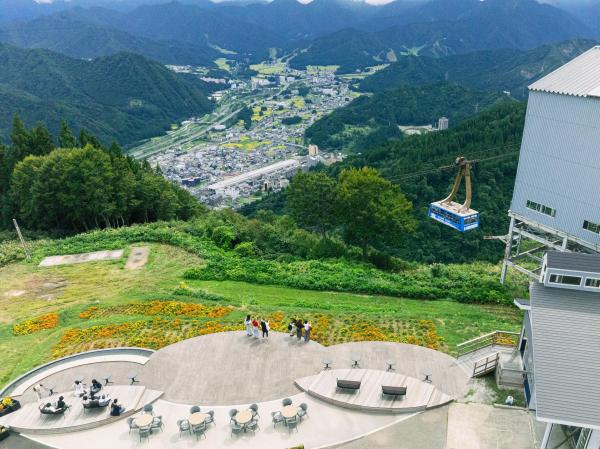
Niigata is a famous tourist destination in northern Japan, boasting stunning natural scenery and rich cultural heritage. It includes attractions such as Chongjin Gorge Valley, Chinshi Cliff and multiple ski resorts. You can see a large number of migratory birds in the summer, and it is a paradise for skiing in the winter. Niigata’s picturesque rice terraces and beautiful autumn leaves are also important reasons to attract tourists.

Top things to do in Niigata

Featured activity reviews in Niigata

Best time to visit Niigata

Data source: Meteostat・Last updated: 2025-09

Weather in Niigata throughout the year

Spring (March–May): Average 7.5–17.2°C, mild climate, but early spring is still relatively cold with occasional rainfall. Cherry blossoms bloom from March to April, but are susceptible to weather conditions. Common activities: Cherry blossom viewing (please note the blooming period), hiking, onsen trips. Recommended clothing: Layering, warm clothing and rain jacket.

Summer (June–August): Average 22.0–28.4°C, hot and humid, with more rainfall in July and August. Common activities: Swimming at the beach, mountain hiking (pay attention to sun protection and heatstroke), enjoying Niigata rice and seafood. Recommended clothing: Light and breathable clothing, sun hat, sunscreen.

Autumn (September–November): Average 11.9–24.9°C, pleasant climate, but early autumn is still relatively warm, while late autumn turns cooler. Autumn is a good season for viewing autumn leaves, but be mindful of rainfall. Common activities: Autumn leaf viewing, enjoying seasonal delicacies, onsen trips. Recommended clothing: Comfortable long-sleeved clothing, light jacket, comfortable shoes.

Winter (December–February): Average 3.2–5.2°C, cold and dry, with a low probability of snowfall, but more rainfall. Common activities: Skiing (requires travel to mountainous areas), onsen trips, enjoying winter scenery. Recommended clothing: Warm clothing, thick jacket, waterproof and windproof shoes.

Weather in Niigata

Annual average temperature: approx. 15°C / Annual rainfall: approx. 1981 mm / Summer humidity: 70%–80% / Rainiest month: December

Niigata weather by month

MonthJanuaryFebruaryMarchAprilMayJuneJulyAugustSeptemberOctoberNovemberDecember
Temperature3.2°C3.6°C7.5°C13°C17.2°C22°C26.4°C28.4°C24.9°C17.1°C11.9°C5.2°C
Rainfall (mm)150111.3113.779.3128.7137.7258108.3202.7147.7217.3326.3

7-day weather forecast for Niigata

Date11/11Wednesday11/12Thursday11/13Friday11/14Saturday11/15Sunday11/16Monday11/17Tuesday
WeatherPatchy rain nearbySunnyPatchy rain nearbyPatchy rain nearbyPatchy rain nearbyOvercastCloudy
High12°C16.5°C18.5°C17.9°C16.6°C13.8°C12.8°C
Low7.8°C6.5°C11.8°C12.4°C13.3°C8.9°C8.1°C

Niigata travel FAQs and useful info

Is Niigata, Japan worth visiting?

Yes, Niigata is worth visiting for its delicious rice, world-class sake, fresh seafood, and traditional culture, offering a mix of natural beauty, historical sites, unique crafts, and seasonal charm that makes it a worthwhile destination, especially for food and sake lovers. Its location on the Sea of Japan coast also provides opportunities for both winter snow sports and summer beach activities.

What is the best time to visit Niigata?

The best time to visit Niigata is generally from late April to early November when the weather is most pleasant and the scenic beauty is at its peak.

What is Niigata famous for?

Niigata is famous for its high-quality rice and sake, the most produced rice variety in Japan, and has the largest number of sake breweries in the country. It is also known for its abundant snow, which contributes to its excellent rice and allows for winter activities like skiing, as well as picturesque rice paddies. Other attractions include beautiful coastal and mountain scenery, delicious seafood, and traditional crafts such as Nishikigoi (koi carp) and Ojiya-chijimi textiles.

What are some must-try foods and drinks in Niigata?

Niigata is Japan's leading rice producer, renowned for the prestigious Koshihikari rice variety. The pure melted snow provides ideal water for rice cultivation and the production of some of Japan's finest sake. The prefecture's location on the Sea of Japan provides an abundance of fresh seafood. You can also find other rice-based delicacies like senbei (rice crackers) and mochi.

Do you need a car to explore Niigata?

While there are buses and trains throughout Niigata Prefecture, they can be scarce in rural areas. If you plan to venture beyond Niigata city, considering renting a car at the airport or in Niigata city is recommended for easier exploration.