


Half-Day Adventure | Marble Mountains or Coconut Jungle with Hoi An Ancient Town | From Danang
- Choose your adventure: Marble Mountains or Coconut Jungle
- Stroll through the lantern-lit streets of Hoi An Ancient Town, a UNESCO World Heritage site
- Discover hidden pagodas, caves, and panoramic views at Marble Mountains (if selected)
- Glide through tranquil waterways on a basket boat ride in Coconut Jungle (if selected)
- Enjoy local specialties and immerse yourself in the charm of central Vietnam
Package Options


Product Info
Important Info
Reminders
Evening boat ride on Hoai River may depend on weather conditions.
Wear comfortable shoes for walking and climbing at Marble Mountain.
Respect local customs when visiting temples and pagodas.
Pick up and drop off times are subject to change
FAQ
1. What experiences await visitors at Marble Mountains?
At Marble Mountains, visitors can explore five limestone hills, each named after one of the five elements. You'll discover ancient pagodas, sacred Buddhist sanctuaries, and natural grottoes like Huyen Khong Cave. Climb to various viewpoints for panoramic vistas of the Da Nang coastline and the surrounding landscape, offering a unique blend of natural beauty and spiritual heritage.
2. How much time is typically recommended for exploring Marble Mountains?
A typical visit to Marble Mountains usually requires about 1.5 to 3 hours. This allows sufficient time to ascend to the peaks via stairs or elevator, explore the significant caves and pagodas, and enjoy the scenic views without feeling rushed. The exact duration may vary depending on your pace and interest in each site.
3. Are entry fees for Marble Mountains generally included in local tours?
Many half-day tours from Da Nang, including options that feature Marble Mountains, often include the standard entry tickets as part of the package. It's recommended to always verify the specific inclusions when booking your tour. Booking through KKday can offer the convenience of comprehensive tour packages, ensuring a smooth experience with entry tickets often pre-arranged.
4. What are the must-see highlights within Hoi An Ancient Town?
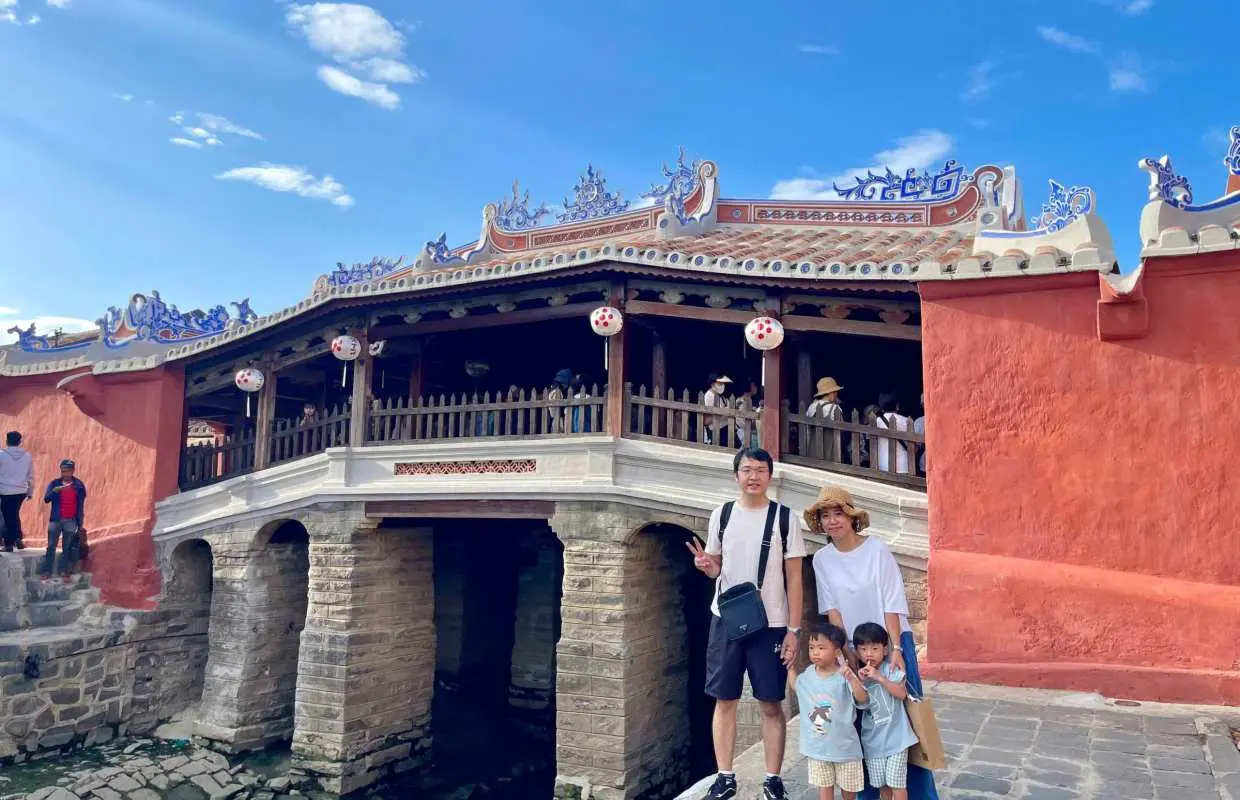
Hoi An Ancient Town, a UNESCO World Heritage site, boasts several captivating highlights. Don't miss the iconic Japanese Covered Bridge, a symbol of the town, and explore the ancient merchant houses, ornate Chinese temples, and bustling assembly halls. Stroll through the lantern-lit streets, especially enchanting at night, and savor delicious local specialties along the Thu Bon River.
5. How much time should one budget to fully explore Hoi An Ancient Town?
To fully immerse yourself in Hoi An Ancient Town, it's advisable to budget at least 3 to 5 hours. This timeframe allows you to leisurely wander through its charming streets, visit key historical attractions, enjoy local cuisine, and browse unique handicrafts. Many visitors extend their stay into the evening to experience the magical atmosphere created by countless lanterns.
6. Are 'Hoi An Old Town' and 'Hoi An Ancient Town' referring to the same location?
Yes, 'Hoi An Old Town' and 'Hoi An Ancient Town' are synonymous terms that refer to the exact same historical area in Hoi An, Vietnam. Both phrases describe the well-preserved port city, recognized as a UNESCO World Heritage site, famous for its distinctive blend of Vietnamese, Chinese, and Japanese architectural and cultural influences.
7. What is the entry policy for Hoi An Ancient Town, and are there specific areas that require tickets?
Walking through the main streets of Hoi An Ancient Town is generally free. However, to enter certain significant heritage sites within the town, such as the Japanese Covered Bridge, ancient houses, traditional performance venues, and museums, you will need to purchase an entry ticket. These tickets usually grant access to a selection of several attractions.
8. What are the best ways to get around Hoi An Ancient Town, and are certain vehicles restricted?
The most recommended way to explore Hoi An Ancient Town is on foot, as many areas are pedestrian-only, particularly during evening hours. Bicycles are also a popular and convenient option. For a charming experience, consider a cyclo (pedicab) ride. Motorbikes and cars are often restricted or prohibited in the core Ancient Town to maintain its tranquil ambiance and pedestrian safety.


