


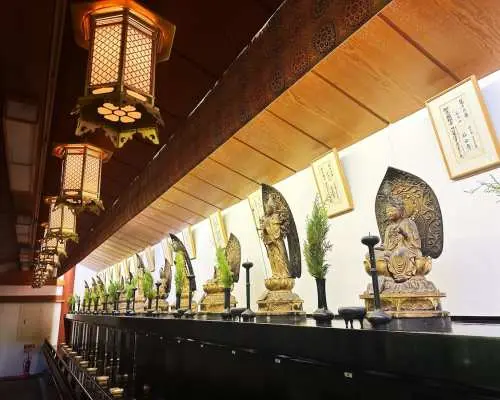
Experience Kyuanji Temple in Osaka, Japan | Sutra Copying, Meditation, and Treasure Viewing Tour
- The sutra copying and meditation experience at Jiuan Temple allows you to escape from the hustle and bustle and regain your inner peace.
- Under the guidance of the abbot, you can focus on copying scriptures or meditating to experience the depth of culture.
- Delve into 1,300-year-old temples and see rare treasures.
- Book through KKday to enjoy exclusive offers and instant confirmation.
Cultural Experiences
| Activity time | Morning |
| Transportation method | Get there on your own |
| Location | Indoor |
| Activity level | Beginner |
| Cultural experience type | Traditional culture experience |
Product Info
ーImportant Informationー
1. Venue: Kuan-ji Temple (near Osaka)
2. Activity duration: about 2 hours
3. Start time: 10:00 am
3. Event Date:
【Date】Weekdays (twice a month)
August 27 (Wednesday) 10:00
・August 28 (Thursday) 10:00
September 29 (Monday) 10:00
September 30 (Tuesday) 10:00
4. Tour language: Japanese (guided by the abbot, with basic English translation)
5. Experience content (select one):
• Orthodox meditation experience + treasure viewing
• Scripture copying experience + treasure viewing
ーProduct Introductionー
- Introduction to Jiuan Temple
Founded during the Nara period, Kyuan-ji Temple boasts over 1,300 years of history. Located near Osaka, it boasts a rich Buddhist heritage. The temple's tranquil grounds, with distinct seasonal scenery, offer a tranquil retreat perfect for a peaceful escape and relaxation.
- Meditation Experience
• Learn orthodox meditation techniques under the gentle guidance of the abbot
• Enter a state of deep concentration and inner awareness through breathing regulation and five sense perception
• Suitable for travelers who want to relax and improve their mind, body and spirit
- Scripture copying experience
• Write the scriptures stroke by stroke, let your mind settle and be peaceful
• A healing method that improves focus and allows you to be present in the moment
• No calligraphy experience required, suitable for all ages
- Secret Treasure Tour
• After the event, the abbot will personally lead you to visit the temple’s hidden treasures that are usually not open to the public
• Contains historical Buddhist statues, paintings and religious artifacts, each of which is a precious cultural asset
• Gain a deeper understanding of the core of Japanese Buddhist art and spiritual beliefs
- Touring the temple grounds with the abbot
• Walk through the temple grounds and historical buildings under the guidance of the abbot
• Hear stories about the temple's history, architecture, and ascetic life
• Experience the unique tranquility and reverence of a thousand-year-old temple


What You Can Expect
Important Info
Includes/Excludes
- Temple visits/spiritual practice (meditation or sutra copying)
- Visit cultural properties that are not normally open to the public
- Japanese and English-speaking guide
- Personal expenses
- Other expenses not mentioned above
Reminders
Please arrive at the designated location 15 minute(s) before the scheduled departure time, as the tour will depart on time
From Hankyu Ikeda Station, take the Hankyu Bus for about 15 minutes and get off at Kyuanji Station.
Please be sure to strictly adhere to the travel time.
How to Redeem Your Voucher
How to Use Your Voucher
- Please present the e-voucher on-site
Voucher Redemption Period
- The voucher must be redeemed on the selected date and within operating hours; Invalid after expiration
Meeting Point
Location Name: Jiuan Temple
Address: Fushiocho, Ikeda City, Osaka Prefecture 563-0011 Kuanji TempleCancellation Policy
- Cancellations 2 day(s) (inclusive) before the selected date are allowed. Unused orders can be canceled for free
- Cancellation is not allowed between 0–1 days from the selected date. Orders cannot be canceled or modified, and refunds will not be granted.
- Due to time zone differences, the confirmed cancellation date is based on the supplier’s local time. Please allow 2–5 business days to process your cancellation request, after which the cancellation fee will be charged according to the product’s cancellation policy. Once your refund request is confirmed, KKday will initiate the refund to your original payment method within 15 days. The actual refund timing depends on your card-issuing bank’s policy.
FAQ
1. What unique features and historical significance does Kyuanji Temple hold in Osaka?
Kyuanji Temple is an ancient temple in Osaka with a history spanning 1,300 years. It offers a profound spiritual sanctuary away from the city's commotion, inviting visitors to find inner peace. Its unique appeal lies in the opportunity to engage in traditional practices like sutra copying and meditation under the abbot's guidance, allowing for deep cultural immersion. The temple is also known for housing rare treasures, providing a glimpse into its rich heritage and spiritual depth.
2. What does the sutra copying experience at Kyuanji Temple involve?
The sutra copying experience at Kyuanji Temple provides a tranquil opportunity to engage in a traditional Buddhist practice. Participants are guided by the abbot to meticulously copy sacred scriptures, which promotes focus and mindfulness. This activity is designed to help individuals disconnect from daily distractions, find inner calm, and deeply appreciate Japanese cultural and spiritual traditions. It offers a profound sense of peace and a unique way to connect with ancient practices.
3. How is the meditation practice conducted at Kyuanji Temple?
The meditation practice at Kyuanji Temple is conducted under the guidance of the abbot, creating a structured yet serene environment for participants. This experience focuses on cultivating mindfulness and achieving inner peace, allowing individuals to detach from external stimuli. It's an opportunity to learn traditional meditation techniques within an ancient temple setting, fostering spiritual reflection and a deeper understanding of Buddhist philosophy. The expert guidance ensures a meaningful and accessible experience for all.
4. What kind of treasures can visitors expect to see at Kyuanji Temple?
Kyuanji Temple is home to various rare and historically significant treasures that reflect its 1,300-year legacy. While specific exhibits may vary, visitors can anticipate seeing ancient Buddhist artifacts, historical documents, and cultural relics that have been preserved for centuries within the temple grounds. These treasures offer profound insights into the temple's past and its significant role in Japanese spiritual and artistic history, providing a unique cultural appreciation.
5. What is the proper visitor etiquette to observe at Kyuanji Temple?
When visiting Kyuanji Temple, it is essential to observe traditional Buddhist temple etiquette to show respect. This includes dressing modestly, speaking softly, and refraining from loud conversations to maintain the serene atmosphere. Photography might be restricted in certain sacred areas, especially inside halls or near specific treasures. It is customary to bow slightly upon entering and leaving the main hall. Always follow any specific instructions from temple staff or the abbot during activities like sutra copying or meditation.
6. When is the best time to visit Kyuanji Temple for a spiritual experience?
The best time to visit Kyuanji Temple for a deeply spiritual and reflective experience is typically during the quieter periods, such as early mornings or weekdays. This allows for a more tranquil atmosphere conducive to meditation and sutra copying without large crowds. Autumn (late October to November) offers beautiful foliage around the temple, enhancing the serene environment. Spring also provides pleasant weather for a contemplative and peaceful visit.
7. What should I know before planning a visit to Kyuanji Temple in Osaka?
Before visiting Kyuanji Temple in Osaka, it's helpful to know that it is a historic site offering unique spiritual activities. Plan to allocate sufficient time for the sutra copying or meditation experiences, which typically require focused participation. Research its location and transportation options from central Osaka in advance. Remember to dress respectfully, be mindful of the tranquil environment, and be prepared to remove your shoes in certain temple areas, honoring local customs for a profound cultural immersion.
8. Can children participate in the sutra copying or meditation activities at Kyuanji Temple?
Participation in sutra copying and meditation activities at Kyuanji Temple often depends on the child's age and ability to maintain focus and respect the solemn environment. While there may not be a strict age limit, these activities are generally geared towards individuals who can sit quietly and concentrate for extended periods. It is advisable for families with younger children to inquire directly about suitable age guidelines or any specific arrangements before planning their visit to ensure a positive and meaningful experience for everyone.


