


1 Day Private Shirakawago and Takayama with Public Transport from Nagoya
- Travel to the scenic Hida Takayama area from Nagoya by Highway bus
- Takayama is known as little Kyoto city of Gifu Prefecture
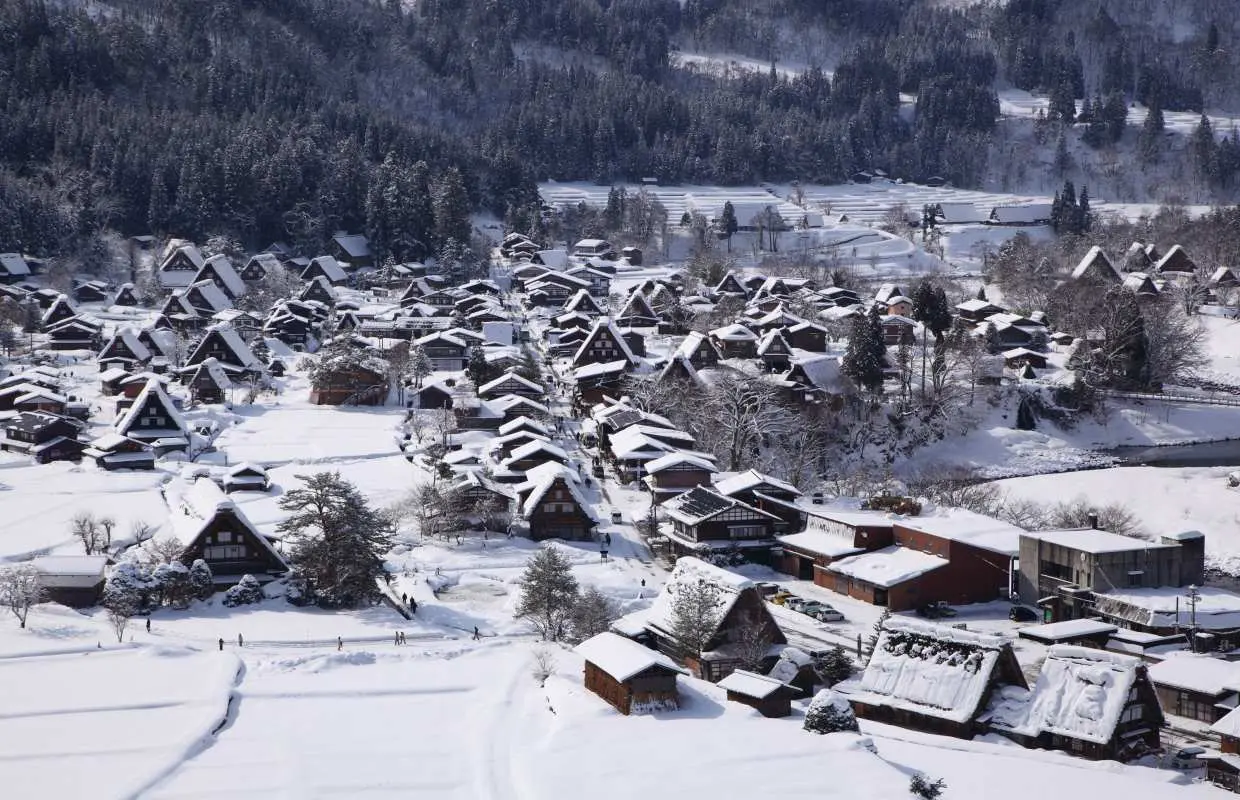
- See the World Cultural Heritage, village of Shirakawago
- Your own English speaking guide will wait you in Shirakawago and Takayama!
Package Options


Product Info
Purchase Notice
This is a private tour. Only your group will participate.
Transportation is via shared bus, not a private car.
You can customize it as you like. If you have any requests please let us know in advance.
If you want to change your schedule even on the tour day, your guide is always happy to help you.
You can skip the spot where you don't go (※in this case we do not refund any fees) or change it with another place.
If you add some new spots by your request, please pay the ticket fee on the spot. (Note that you may need to pay extra transportation fee)
Reminders
Customer Guidelines:
1.Transportation is shared bus, not a private car.
Please ensure you arrive promptly at the designated meeting time.
Please be aware that weekends, holidays, and event days may experience high levels of congestion.
The schedule may be subject to sudden changes or shorter visit durations due to reasons such as traffic congestion.
Refunds will not be provided if you fail to arrive at the meeting location on time (no show).
In the event of a natural disaster, such as a typhoon, the tour will be canceled, and a full refund will be issued.
Please personally take responsibility for your valuables.
Note: These guidelines are provided to ensure a safe and enjoyable experience. Thank you for your cooperation.
Cancellation Policy
- Cancellations 11 day(s) (inclusive) before the selected date are allowed. Unused orders can be canceled for free
- For cancellations made 8 to 10 days prior to selected date, a cancellation fee of 20% will apply
- For cancellations made 2 to 7 days prior to selected date, a cancellation fee of 30% will apply
- For cancellations made 1 to 1 days prior to selected date, a cancellation fee of 40% will apply
- Cancellation is not allowed between 0–0 days from the selected date. Orders cannot be canceled or modified, and refunds will not be granted.
- Due to time zone differences, the confirmed cancellation date is based on the supplier’s local time. Please allow 2–5 business days to process your cancellation request, after which the cancellation fee will be charged according to the product’s cancellation policy. Once the cancellation is confirmed, you will receive your refund within 14 working days.
FAQ
Shirakawa-go is renowned for its unique gassho-zukuri (praying hands) farmhouses, which are traditional Japanese houses with steeply slanting thatched roofs designed to withstand heavy snowfall. This distinctive architectural style, along with the village's cultural significance and historical preservation, earned it UNESCO World Heritage status. Visitors can experience a living, traditional Japanese village landscape.
To fully explore the main village, including a visit to a gassho-zukuri farmhouse museum like the Wada House or Kanda House, browse souvenir shops, enjoy local snacks, and capture photos from the Shiroyama Viewpoint, typically 2 to 4 hours is recommended. This allows for a relaxed pace to appreciate the unique atmosphere and architecture.
Shirakawa-go is an authentic, inhabited UNESCO World Heritage village where residents live and work in the traditional gassho-zukuri farmhouses. Hida Folk Village (Hida no Sato), on the other hand, is an open-air museum in Takayama featuring relocated traditional houses from various parts of the Hida region. While both showcase the gassho-zukuri style, Shirakawa-go offers a more immersive, living cultural experience, whereas Hida Folk Village provides a curated historical exhibition.
Shirakawa-go is most closely associated with Takayama, often referred to as 'Little Kyoto,' which serves as a popular base for visitors due to its traditional charm and amenities. Kanazawa, known for its samurai and geisha districts, is also relatively close. For travelers coming from further afield, Nagoya is a common departure point for tours and public transport heading to the Shirakawa-go and Takayama region.
Yes, visiting both Shirakawa-go and Takayama in a single day is feasible, especially when taking an organized tour from a nearby city like Nagoya or Takayama. These tours are designed to optimize travel time, typically using highway buses, allowing ample time to explore Shirakawa-go's gassho-zukuri village and Takayama's historic Old Town before returning in the evening.
In Takayama, exploring the beautifully preserved Sanmachi Suji Old Town with its Edo-period merchant houses is a must. Visitors should also experience the vibrant Miyagawa Morning Market, visit the Takayama Jinya (a former government office), and sample local delicacies such as Hida beef and sake from local breweries. The Hida Takayama Festival Floats Exhibition Hall is another highlight, showcasing elaborate festival floats.
Shirakawa-go offers distinct beauty throughout the year. Winter (January-February) is iconic for its snow-covered gassho-zukuri houses, especially during the limited-time illumination events. Spring (April-May) brings cherry blossoms and fresh greenery. Summer (July-August) features lush landscapes and vibrant rice fields, while autumn (October-November) showcases stunning fall foliage, each offering a unique scenic charm.
Yes, an English-speaking guide can be arranged for tours to Shirakawa-go and Takayama. Having a dedicated guide enriches the experience by providing historical context, cultural insights, and local recommendations for both World Heritage Shirakawa-go village and the historic town of Takayama. Guides often meet travelers directly at these locations, ensuring a smooth and informative visit.
Get Help


