
Get Exclusive App Deals
Product #271313




KKday Marketplace
Heartwarming local cuisine made with ingredients from the sea and mountains of Awaji Island. Enjoy a happy time in the countryside, sitting around the hearth of an old house on the veranda and looking out at the garden and rice terraces (Awaji City, Hyogo)
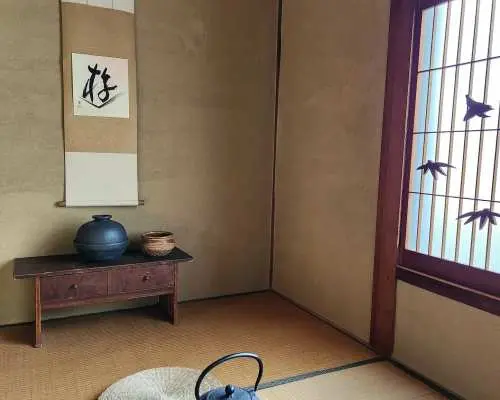
- Kairi is a renovated old house located in the inland scenery of Awaji Island, where the original scenery of the past remains. You can enjoy dishes carefully prepared by the owner using local ingredients, tableware, and space, and the scenery is relaxing.
Product Info
Purchase Notice
・There is not enough parking space. Please carpool as much as possible.
・Pets are not allowed.
・If you have any allergies or dislikes, please write this in the "Notes" section.
・We cannot accommodate requests to change ingredients on the day. Please be sure to let us know in advance.
・Please note that game dishes may be included in the course.
・If you have severe allergies or a wide range of ingredients that you cannot eat, we cannot accept your reservation.
・We can provide a message plate for anniversaries and birthdays. (Please let us know if you would like one.)
・Pets are not allowed.
・If you have any allergies or dislikes, please write this in the "Notes" section.
・We cannot accommodate requests to change ingredients on the day. Please be sure to let us know in advance.
・Please note that game dishes may be included in the course.
・If you have severe allergies or a wide range of ingredients that you cannot eat, we cannot accept your reservation.
・We can provide a message plate for anniversaries and birthdays. (Please let us know if you would like one.)
Includes/Excludes
How to Redeem Your Voucher
How to Use Your Voucher
- Please present the e-voucher on-site
Meeting Point
Location Name: KAIRI - nautical miles -
Address: 604-2 Ikuta Otsubo, Awaji City, Hyogo Prefecture, 656-1603Cancellation Policy
- Cancellations 1 day(s) (inclusive) before the selected date are allowed. Unused orders can be canceled for free
- Cancellation is not allowed between 0–0 days from the selected date. Orders cannot be canceled or modified, and refunds will not be granted.
- Due to time zone differences, the confirmed cancellation date is based on the supplier’s local time. Please allow 2–5 business days to process your cancellation request, after which the cancellation fee will be charged according to the product’s cancellation policy. Once the cancellation is confirmed, you will receive your refund within 14 working days.
Get Help


Contact Merchant


