


Qasr Al Hosn
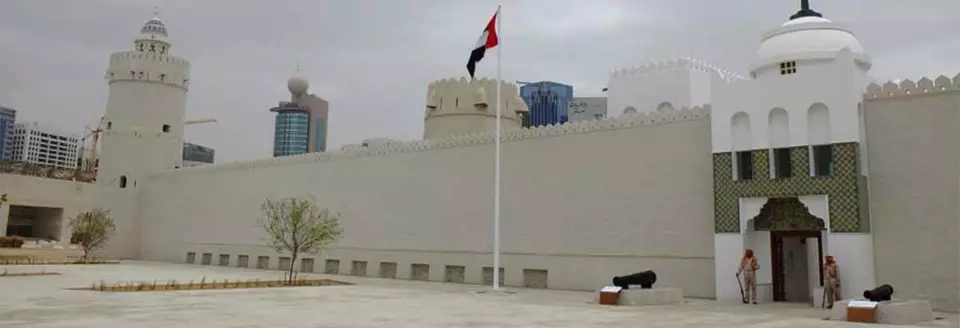
- Step back in time as you explore the oldest stone building in Abu Dhabi. Gain insight into the region's bygone era through a collection of artefacts. Walk through restored rooms and hallways to relive the life of ancient royals.
Package Options


Sightseeing Tours
| Sightseeing type | Historic site tour |
| Transport | Walking |
Product Info
Qasr Al Hosn, also known as the White Fort, is the oldest stone building in Abu Dhabi, originally constructed in the 18th century. Now converted into a museum, it remains to be a historic landmark that holds a significant place in the emirate's cultural and architectural heritage. Visitors to Qasr Al Hosn can explore the traditional rooms of the fort, view historical photographs, and participate in various cultural events and activities held in the vicinity.
- Important Info -
Good to know:
- Visitors under 18 years are free of charge.
- Check the official website for the daily opening hours prior to your visit.
- Enhance your Qasr Al Hosn exploration by downloading the Abu Dhabi Culture app, offering audio and augmented reality experiences.


Important Info
Reminders
Please refer to your voucher for final information regarding meeting points, pick-up locations, and pick-up time
Cancellation Policy
- Once the order has been completed, it cannot be canceled, modified, or refunded
- Due to time zone differences, the confirmed cancellation date is based on the supplier’s local time. Please allow 2–5 business days to process your cancellation request, after which the cancellation fee will be charged according to the product’s cancellation policy. Once your refund request is confirmed, KKday will initiate the refund to your original payment method within 15 days. The actual refund timing depends on your card-issuing bank’s policy.
FAQ
1. What is the current purpose of Qasr Al Hosn in Abu Dhabi?
Qasr Al Hosn serves as a living monument and cultural institution dedicated to preserving and showcasing Abu Dhabi's rich history. It houses a museum that tells the story of the city and its people, from its earliest inhabitants to the present day, through interactive exhibits and historical displays. It is a key site for understanding the emirate's foundational heritage and cultural identity.
2. What unique historical features can visitors explore at Qasr Al Hosn?
Visitors can explore Qasr Al Hosn's two main structures: the Inner Fort, built around 1795, and the Outer Palace, constructed in the 1940s. The site showcases diverse architectural styles and offers a journey through the evolution of traditional Emirati architecture. You can walk through beautifully restored rooms and learn about the lives of the ruling families and the community that flourished around the fort.
3. What types of artifacts and exhibits are displayed at Qasr Al Hosn?
Qasr Al Hosn features a rich collection of artifacts that illuminate Abu Dhabi's past. Exhibits include archaeological finds, historical photographs, oral histories, and personal possessions of the ruling family and early residents. These displays narrate the story of the fort's transformation from a defensive watchtower to a seat of government and a home to the Al Nahyan family.
4. What is the historical significance of Qasr Al Hosn to Abu Dhabi?
Qasr Al Hosn holds immense historical significance as the oldest stone building in Abu Dhabi, symbolizing the city's origins. It was originally built as a watchtower to protect the fresh water source on Abu Dhabi island, then expanded into a fort, and later served as the residence of the ruling family and the seat of government until the 1960s. It is a tangible link to the emirate's pearl diving and early settlement history.
5. How can visitors experience the daily life of ancient royals at Qasr Al Hosn?
Visitors can experience the life of ancient royals by exploring the meticulously restored rooms and hallways within Qasr Al Hosn. These spaces are arranged to reflect their historical function, from majlis (meeting rooms) to private quarters. Interpretive displays and immersive narratives provide insights into the customs, daily routines, and governance practices of the Al Nahyan family who resided there, offering a glimpse into a bygone era.
6. Is admission to Qasr Al Hosn free for visitors?
While specific events and outdoor areas around Qasr Al Hosn may occasionally offer free access, general admission to the museum and the historic fort usually requires a ticket. It is advisable to check the official website or inquire directly for the most up-to-date information regarding entry requirements and any potential fees.
7. What are the general admission policies for Qasr Al Hosn?
Qasr Al Hosn typically offers various ticket options for different visitor categories, which may include separate pricing for adults, children, and residents versus tourists. Admission usually grants access to the museum, the Inner Fort, and various ongoing exhibitions. Policies regarding age limits, photography, and guided tours are also usually available upon inquiry or on the official site.
8. Why is visiting Qasr Al Hosn recommended for understanding Abu Dhabi's heritage?
Visiting Qasr Al Hosn is highly recommended because it offers a foundational understanding of Abu Dhabi's historical and cultural identity. As the city's oldest standing structure, it provides direct insight into the emirate's transformation from a pearling settlement to a global capital. Its exhibits and preserved architecture serve as a tangible timeline, connecting visitors directly to the stories of its past and the legacy of its founders.


