



Central Japan Day Tour: Magome-juku & Ryujin Falls or Mosaic Tile Museum | Edo Period Experience from Nagoya
- Depart from Nagoya by bus, convenient meeting point for easy travel
- Suitable for travelers seeking a leisurely and slow-paced trip
- Hidden gems not yet widely known to foreign tourists
- One of Japan's top ten hiking routes
Package Options


Sightseeing Tours
| Tour Type | Shared tour |
| Transportation method | Transfer from meeting point |
| Minimum participant requirement | 6 travelers |
| Meal arrangement | Arrange yourself |
| Sightseeing type | Natural sights |
| Transport | Bus tour |
Product Info
-Attraction Introduction-
【Magome-juku】
Magome-juku is a very popular hiking route, covering a total distance of about 4 kilometers. This route preserves many relics from the Edo period, and you can enjoy forests, streams, and ancient teahouses along the way. The hike takes about 2 hours and is an excellent way to experience Japanese history and natural scenery. These places make you feel as if you have returned to Japan several hundred years ago, making them ideal locations for understanding and experiencing Japanese history and culture.
【Tsumago-juku】
Why not stroll through this historic town and soak in the nostalgic atmosphere? This was the first place in Japan to be designated as an Important Preservation District for Groups of Traditional Buildings. During the Edo period, Tsumago-juku flourished as an important transportation hub where the Nakasendo and Ina Kaido roads intersected. Today, it remains bustling with inns, restaurants, and souvenir shops lining the street for about 1 kilometer. Tsumago-juku pioneered the street preservation movement and was designated as an Important Preservation District for Groups of Traditional Buildings in 1976 (Showa 51), the first of its kind in Japan. Local residents uphold the three principles of 'do not sell, do not rent, and do not demolish,' maintaining their own lives while passing down the streets that retain a rich Edo-period atmosphere to future generations.
【Ryujin Falls】*Replaced by the Mosaic Tile Museum from December to March
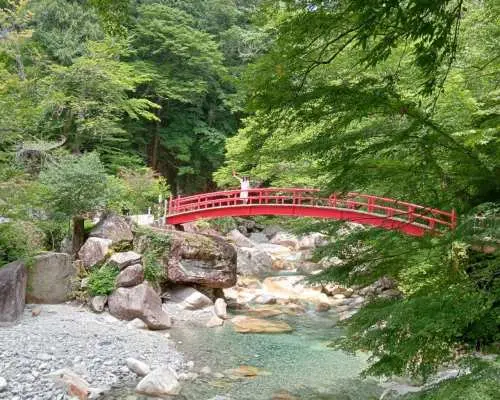
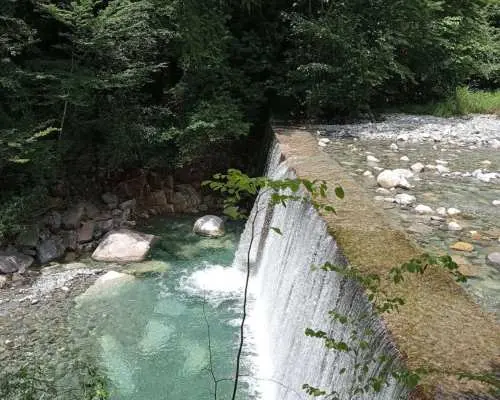
Located in Nakatsugawa City, Gifu Prefecture, Japan, this is a waterfall with beautiful natural scenery. Hidden in a dense forest, this waterfall attracts many visitors with its unique shape and mysterious atmosphere. Although not very tall, Ryujin Falls is named for its shape, which resembles a winding dragon. The water cascades down from the rocks, forming a white ribbon of water. It is particularly magnificent during the spring snowmelt season and the rainy season when the water volume is abundant. The natural environment around the waterfall is very tranquil, and the changing seasons give the scenery its own unique characteristics. The fresh green of spring, the lush shade of summer, the red leaves of autumn, and the snowy landscape of winter all add different aesthetic appeal to the waterfall. In autumn, in particular, the surrounding maple leaves dye the entire area red, creating a striking contrast with the clear waterfall water, which is extremely spectacular.
Travel Tips:
Ryujin Falls is located in the Tsuyumori Valley. It takes about 30 minutes by car from Tsumago-juku and Magome-juku. After getting off, it takes about 10-15 minutes to walk to the waterfall. There are signposts along this walking route, and the path is relatively flat, making it suitable for most people.
【Mosaic Tile Museum】
Located in Tajimi City, Gifu Prefecture, a major center for ceramics, the Mosaic Tile Museum is a unique cultural facility that blends traditional ceramic craftsmanship with modern design aesthetics. The exterior of the museum is round and gentle, resembling an earthen mound. Designed by renowned Japanese architect Terunobu Fujimori, it is a stunning place where architecture and art combine.
Highlights:
Dreamy architecture designed by Terunobu Fujimori: The shape resembles a mud hill from a fairy tale, blending perfectly with the natural landscape. History and beauty of mosaic tiles: The museum displays the development history, craft samples, and practical applications of Japanese mosaic tiles. Hands-on workshop: You can book a mosaic collage making class, which is perfect for families to take photos or for couples to enjoy the colorful corners.

Magome-juku

Handmade soba noodles

Tsumagojuku

Ryujin Waterfall on a rainy day

Autumn valley
Purchase Notice
【Travel Conditions】
Travel origin and destination: Aichi and Gifu
Travel days: Round trip
Transportation: Chartered bus
Bus Company: Tobu Tourist Information Co., Ltd., Nishisan Kotsu Co., Ltd., or similar bus companies
Meals: Breakfast 0 times, Lunch 0 times, Dinner 0 times
Accommodation facilities: None
Minimum group size: 6
Team leader: 1
Tour guide: 0
【Travel Planning/Implementation】
Name of the operating company: JETRONIC TECHNOLOGY CO., LTD.
Address: 3-2-123 Umeda, Kita-ku, Osaka City, 530-0001 イノゲートOsaka 15th floor
License Number: Osaka Prefecture Governor's Travel Business Registration No. 2-2181
Travel Association Name: Japan Travel Association (Osaka Branch) Full Member
Regular member of the Osaka Prefecture Travel Agents Association
JATA is a cooperating member
Reminders
A minimum of 6 traveler(s) are required for the tour to depart. If the number of participants does not reach the minimum requirement, the tour will be canceled. An email regarding tour cancellation will be sent 4 day(s) before the departure date
In the event of inclement weather such as typhoons or snowstorms, a decision on whether to cancel the tour will be made 1 day(s) before departure (local time 18:00). Notifications will then be sent via email
Please arrive at the designated location 10 minute(s) before the scheduled departure time, as the tour will depart on time
The itinerary may be changed or shortened depending on road traffic, weather, etc.
In case of traffic congestion, the return journey may be delayed.
Infants under 2 years old cannot be secured with a safety belt and are therefore not allowed to ride.
The red leaf season is from late October to mid-November (may vary depending on the temperature).
Each person can bring one piece of luggage for free.
If the number of applicants is insufficient, a 9-seater Toyota Hiace will be used.
The distance from Magome-juku to Tsumago-juku is 8.8km, which takes about 2 hours and 30 minutes to walk. If guests are willing to walk, they can discuss with the tour leader about getting off at Magome-juku and getting on at Tsumago-juku.
Cancellation Policy
- Cancellations 3 day(s) (inclusive) before the selected date are allowed. Unused orders can be canceled for free
- For cancellations made 2 to 2 days prior to selected date, a cancellation fee of 30% will apply
- For cancellations made 1 to 1 days prior to selected date, a cancellation fee of 40% will apply
- Cancellation is not allowed between 0–0 days from the selected date. Orders cannot be canceled or modified, and refunds will not be granted.
- Due to time zone differences, the confirmed cancellation date is based on the supplier’s local time. Please allow 2–5 business days to process your cancellation request, after which the cancellation fee will be charged according to the product’s cancellation policy. Once your refund request is confirmed, KKday will initiate the refund to your original payment method within 15 days. The actual refund timing depends on your card-issuing bank’s policy.
FAQ
1. What makes the Magome-Tsumago Trail a unique hiking experience?
The Magome-Tsumago Trail is a beautifully preserved section of the ancient Nakasendo highway, connecting two historic post towns. Hikers can experience serene Japanese countryside, traditional Edo-period architecture, and charming waterfalls. It offers a unique blend of natural beauty and cultural immersion, allowing visitors to walk in the footsteps of samurai and merchants from centuries past.
2. What is the historical significance of Magome-juku Village?
Magome-juku was one of the 69 post towns along the Nakasendo trail, an important Edo-period route connecting Edo (modern-day Tokyo) and Kyoto. It served as a crucial resting point for travelers, feudal lords, and merchants. The village is known for its carefully preserved traditional wooden buildings, stone-paved streets, and a unique sloping layout, contributing to its distinctive historical charm.
3. What are the main activities and sights to experience in Magome-juku?
In Magome-juku, visitors can stroll along the beautifully preserved main street, lined with traditional inns, souvenir shops, and cafes. Key sights include the Magome-juku Honjin (former headquarters of the headman) and the Magome-juku Waki-Honjin (sub-headman's house), both now museums. Enjoy local delicacies like gohei-mochi and chestnut products, and soak in the Edo-period atmosphere while enjoying picturesque mountain views.
4. How long does it typically take to walk the Magome-Tsumago Trail, and what is its difficulty level?
The Magome-Tsumago Trail is approximately 8 kilometers (5 miles) long and typically takes about 2 to 3 hours to complete. The path involves some gentle uphill and downhill sections, but it is generally considered a moderate walk suitable for most fitness levels. It is well-maintained and clearly signposted, making for a pleasant and accessible hiking experience through natural landscapes and historical settings.
5. What are the recommended transportation options to reach Magome-juku from major cities like Nagoya?
To reach Magome-juku from Nagoya, take a JR Shinano limited express train to Nakatsugawa Station. From Nakatsugawa, local buses are available directly to Magome-juku. The bus journey takes approximately 25-30 minutes. For convenience, many day tours from Nagoya include direct bus transport to Magome-juku, offering a hassle-free way to explore the area without needing to manage multiple transfers.
6. Is there public transportation available between Magome-juku and Tsumago-juku after hiking the trail?
Yes, there is a local bus service, known as the Magome-Tsumago line, that operates between Magome-juku and Tsumago-juku. This bus runs frequently throughout the day, providing a convenient option for hikers who wish to return to their starting point or continue their journey without walking back. The bus stop in Magome-juku is located near the main entrance of the village.
7. How can visitors immerse themselves in the Edo-period atmosphere when exploring Magome-juku?
To fully immerse in Magome-juku's Edo-period charm, visitors can explore the traditional wooden architecture, observe the functioning water mills, and listen to the tranquil sounds of nature. Wearing traditional Japanese attire (available for rent in some areas) can enhance the experience. Enjoy local craft shops, savor regional snacks, and appreciate the tranquil pace of life, reflecting the village's historical role as a bustling post town.
8. What kind of scenery and facilities can hikers expect along the Magome-Tsumago Trail?
Along the Magome-Tsumago Trail, hikers can expect diverse scenery including lush forests, terraced rice fields, small waterfalls, and scenic viewpoints offering glimpses of the Kiso Valley. The path passes through charming hamlets and features historical markers, such as ancient stone steps and bell towers. Rest stops with public toilets and small refreshment points are available at various intervals, ensuring a comfortable and well-supported journey.


