



Japan and Kyoto New Year’s Day Tour | Kitano Tenmangu Shrine & Seimei Shrine & Yasaka Shrine & Shimogamo Shrine | Departing from Kyoto
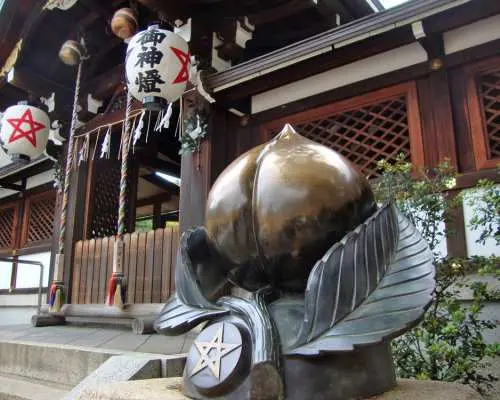
- Make your first pilgrimage to Seimei Shrine, where Onmyoji Abe Seimei is enshrined.
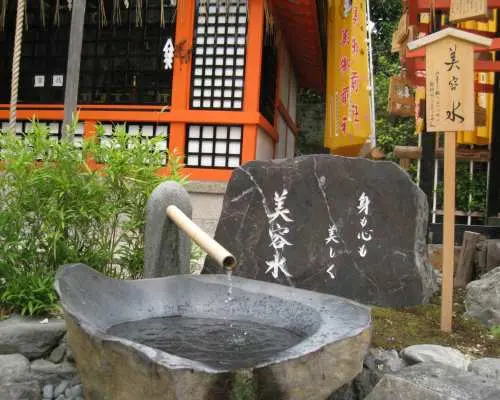
- Drink beauty water at the Kyoto landmark "Yasaka Shrine" dedicated to the god of beauty
- Visit "Seimei Shrine", which is most effective in warding off disasters and bringing good luck, and receive a free "Emperor" amulet
Sightseeing Tours
| Tour Type | Shared tour |
| Transportation method | Transfer from meeting point |
| Minimum participant requirement | 1 traveler |
| Meal arrangement | Lunch included |
| Sightseeing type | Temples & shrines, Historic site tour |
| Transport | Bus tour |
Product Info
Purchase Notice
【Travel Conditions】
Travel origin and destination: Kyoto
Number of days of travel: same day return
Transportation: sightseeing bus
Bus company name: Keihan Bus Co., Ltd.
Meals: Breakfast 0 times, lunch 1 time, dinner 0 times
Accommodation facilities: none
Minimum number of people in a group: 1
Team leader: 1
Tour guide: 0
【Travel planning/implementation】
Operating company name: Keihan Hatsu Co., Ltd.
Address: 5th Floor, Ishida-cho, Higashikujo Minami, Minami-ku, Kyoto City
License number: Kyoto Governor Registration Travel Industry No. 2-192
Reminders
Please arrive at the designated location 15 minute(s) before the scheduled departure time, as the tour will depart on time
Meals are not included for children under the age of 6
All buses have reserved seats, and seat numbers will be announced on the day. If there are not many seats left for booking on that day, there may be a possibility of separate seats, which will be specially notified when booking. If there is no notification, adjacent seats will be automatically arranged, so please rest assured.
Large buses operate, and large or small luggage can be stored in the carriage. Please remember to collect it when you get off.
The order and time required for the visit may be subject to change due to weather, activities, traffic control, etc. on the day of the experience. Please understand.
If you fail to check in without any notice on the day, it will be deemed as a waiver and no refund will be given.
The tour guide is Japanese and does not speak foreign languages. However, there will be a notice board clearly indicating the gathering time and location of each attraction. Please be sure to confirm before getting off the bus to visit.
There are English service personnel at the meeting point every day, and Chinese service personnel are available from time to time.
This itinerary cannot accommodate requests for vegetarian or hypoallergenic meals, please understand.
Cancellation Policy
- Cancellations 8 day(s) (inclusive) before the selected date are allowed. Unused orders can be canceled for free
- For cancellations made 1 to 7 days prior to selected date, a cancellation fee of 5% will apply
- Cancellation is not allowed between 0–0 days from the selected date. Orders cannot be canceled or modified, and refunds will not be granted.
- Due to time zone differences, the confirmed cancellation date is based on the supplier’s local time. Please allow 2–5 business days to process your cancellation request, after which the cancellation fee will be charged according to the product’s cancellation policy. Once your refund request is confirmed, KKday will initiate the refund to your original payment method within 15 days. The actual refund timing depends on your card-issuing bank’s policy.
FAQ
1. Is Kitano Tenmangu Shrine worth visiting for its cultural significance and academic ties?
Kitano Tenmangu Shrine is highly regarded as the head shrine of Tenjin, dedicated to Sugawara no Michizane, the deity of scholarship and learning. It is especially popular among students seeking blessings for academic success. Visitors can experience beautiful plum blossoms in late winter/early spring, explore the expansive grounds with its many sub-shrines, and appreciate the intricate architecture, offering a rich cultural and historical experience in Kyoto.
2. What are the best ways to reach Kitano Tenmangu Shrine using public transport in Kyoto?
To reach Kitano Tenmangu Shrine, you can take a city bus from Kyoto Station directly to the Kitano Tenmangu-mae stop. Bus routes 50 and 101 are convenient options. Alternatively, you can take the Keifuku Electric Railroad (Randen) Kitano Line to Kitano-Hakubaicho Station, which is a short walk from the shrine. These methods offer direct and efficient travel without a car.
3. What are the admission requirements for entering Kitano Tenmangu Shrine?
The main grounds of Kitano Tenmangu Shrine are generally open to the public without an admission fee, allowing visitors to experience the main hall and surrounding areas freely. However, specific areas, such as the treasure house or certain seasonal gardens (like the plum garden during bloom season or the autumn foliage garden), may have separate, modest entry fees. These are typically paid on-site upon entry to those specific areas.
4. What is the historical background and origin of Kitano Tenmangu Shrine in Kyoto?
Kitano Tenmangu Shrine was established in 947 AD to appease the spirit of Sugawara no Michizane, a prominent scholar and politician who was exiled and died unjustly. After his death, a series of disasters struck Kyoto, which were attributed to his vengeful spirit. The shrine was built to deify him as Tenjin, the god of scholarship, and has since served as a spiritual center where students and academics pray for success. Its history is deeply intertwined with Japanese court life and education.
5. How can visitors easily reach Yasaka Shrine from central Kyoto?
Yasaka Shrine is conveniently located in the Gion district. From Kyoto Station, you can take a city bus (e.g., routes 100 or 206) to the Gion stop, which is directly across the street from the shrine's west gate. Alternatively, you can take the Keihan Main Line to Gion-Shijo Station or the Hankyu Kyoto Line to Kyoto Kawaramachi Station, both of which are within a 10-minute walk to the shrine's main entrance. Its central location makes it easily accessible for visitors.
6. What is the cultural significance of visiting Shimogamo Shrine in Kyoto?
Shimogamo Shrine, one of Kyoto's oldest and most important Shinto shrines, is a UNESCO World Heritage site known for its beautiful Tadasu no Mori (Forest of Truth) that leads to its entrance. It plays a significant role in Kyoto's Aoi Matsuri (Hollyhock Festival), one of Japan's three great festivals. Visiting offers a serene experience amidst ancient trees and traditional architecture, connecting visitors with deep historical and spiritual traditions of Japan, including prayers for good fortune and protection.
7. What unique experiences and protections can visitors find at Seimei Shrine in Kyoto?
Seimei Shrine is dedicated to Abe no Seimei, a legendary onmyoji (diviner) from the Heian period, and is renowned for its power in warding off evil and bringing good luck. Visitors can find unique five-pointed star symbols (Seimei-kikyo) throughout the shrine, associated with Abe no Seimei's mystical powers. Many come to pray for protection from misfortune, receive special amulets and talismans for health and safety, and experience the spiritual atmosphere linked to this famous historical figure.
8. What unique aspects make Yasaka Shrine a prominent Kyoto landmark, particularly for beauty and good fortune?
Yasaka Shrine is a vibrant landmark known for its beautiful main hall and the impressive vermilion Nishiro-mon (West Gate). It's famously associated with the god of beauty, making it a popular spot for those seeking blessings for attractiveness and graceful appearance. The shrine is also the focal point of the Gion Matsuri, one of Japan's most celebrated festivals. Visitors often enjoy its lively atmosphere, especially in the evening when lanterns illuminate the grounds, and seek out its 'beauty water' believed to enhance complexion.


