



Pretty!! Hakata Doll Painting DIY Experience
Product Info
Purchase Notice
This tour will be guided only in Japanese. At the time of reservation, please inform us whether or not you can speak Japanese and the mobile phone number available in Japan.
Please select a start time(10:00,13:00,14:30).
Includes/Excludes
Reminders
To prevent infectious diseases, please wear a mask in advance and participate in the tour.
How to Redeem Your Voucher
How to Use Your Voucher
- Please print the e-voucher sent to your email
Meeting Point
Location Name: Hakata Doll Hall Shogetsudo (博多人形会館松月堂)
Address: Hakata-ku, Nakasu5-1−22Cancellation Policy
- Cancellations 11 day(s) (inclusive) before the selected date are allowed. Unused orders can be canceled for free
- For cancellations made 8 to 10 days prior to selected date, a cancellation fee of 20% will apply
- For cancellations made 2 to 7 days prior to selected date, a cancellation fee of 30% will apply
- For cancellations made 1 to 1 days prior to selected date, a cancellation fee of 40% will apply
- Cancellation is not allowed between 0–0 days from the selected date. Orders cannot be canceled or modified, and refunds will not be granted.
- Due to time zone differences, the confirmed cancellation date is based on the supplier’s local time. Please allow 2–5 business days to process your cancellation request, after which the cancellation fee will be charged according to the product’s cancellation policy. Once the cancellation is confirmed, you will receive your refund within 14 working days.
FAQ
Hakata Dolls are traditional clay dolls originating from Fukuoka, Japan, renowned for their intricate details and vibrant, hand-painted colors. These dolls typically depict various subjects, including beautiful women, kabuki actors, sumo wrestlers, and children. Culturally, they are cherished as decorative art pieces, often symbolizing good fortune and blessings, and are valued as heirlooms. They embody a significant part of Hakata's rich artistic and cultural heritage.
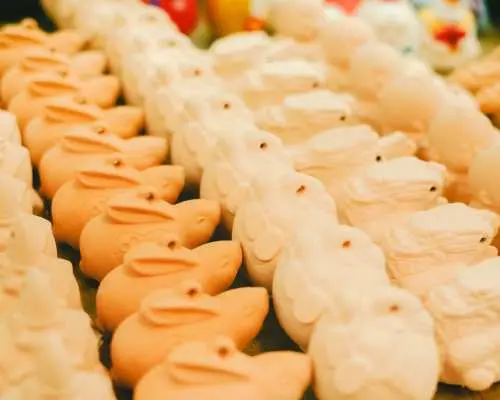
Traditional Hakata Dolls are recognizable by several key features. They are crafted from fine, unglazed clay, providing a matte texture that enhances the painted details. Their delicate facial expressions are often lifelike and serene. The dolls feature vibrant, meticulous hand-painting, particularly on their elaborate costumes, creating depth and intricate patterns. They also often capture dynamic postures or poses, showcasing the artisan's skill in portraying movement and character.
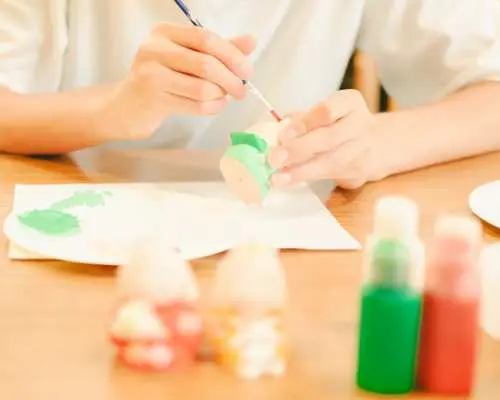
The traditional creation of Hakata Dolls involves a precise multi-step process. First, fine clay is pressed into plaster molds to form the doll's shape. After careful drying, the clay figures are fired at high temperatures to harden them. A white gesso-like undercoat is then applied, preparing the surface for painting. Artisans then meticulously hand-paint intricate details, patterns, and vibrant colors using traditional pigments, which is a crucial step in bringing the doll to life and is the focus of the Hakata Doll painting experience. Finally, fine details and accessories are added.
The primary material for the body of a Hakata Doll is a specific type of fine, local clay sourced from Hakata, cherished for its excellent malleability and ability to capture intricate details. After the firing process, the dolls are traditionally painted using mineral pigments and natural dyes. These colors are chosen for their vibrancy and longevity, applied in multiple layers by skilled artisans to achieve the rich textures and profound depth that exemplify the doll's artistic craftsmanship.
The authenticity and value of a Hakata Doll are typically assessed by several key factors. An authentic doll often bears the signature or seal of its artisan, a mark of its origin and creator. The quality of craftsmanship is paramount; look for intricate details in facial expressions, costume patterns, and overall pose. Authentic dolls are made from traditional Hakata clay and painted with natural pigments. The doll's overall condition, including any signs of damage or restoration, also significantly influences its value. Purchasing from reputable shops or participating in a Hakata Doll painting experience can help ensure authenticity.
Hakata Dolls are celebrated for their intricate hand-painting, which uses specific techniques to achieve their distinctive beauty. Artisans typically apply a smooth base layer, often using 'gofun' (a mixture of oyster shell powder and glue), to create a bright canvas. Fine brushes are then used to meticulously apply multiple layers of mineral pigments, building up vibrant colors and subtle gradients. Techniques include precise line work for facial features and patterns, as well as delicate shading to create dimension and realism, bringing each doll's character to life.
Hakata Dolls originate from Fukuoka City, historically known as Hakata, located in Kyushu, Japan. Their history stretches back over 400 years, with origins in the Edo period when local potters began crafting unglazed clay figures. These dolls gained significant national and international recognition during the Meiji period, particularly after being presented at various world exhibitions. Over time, they evolved from simple clay figures into the elaborately painted works of art admired today, becoming a prominent traditional craft of Japan.
To ensure the longevity and preserve the artistry of a Hakata Doll, especially one you've painted, proper care is essential. Gently dust the doll regularly with a soft brush or cloth to prevent dust accumulation. It's crucial to keep the doll out of direct sunlight, as prolonged exposure can cause the vibrant colors to fade. Display it in an environment with stable temperature and humidity to prevent the clay from cracking or the paint from deteriorating. Always handle the doll carefully to avoid chipping or breakage, and display it on a stable surface or in a protective case.
Get Help


