
Get Exclusive App Deals
Product #132622

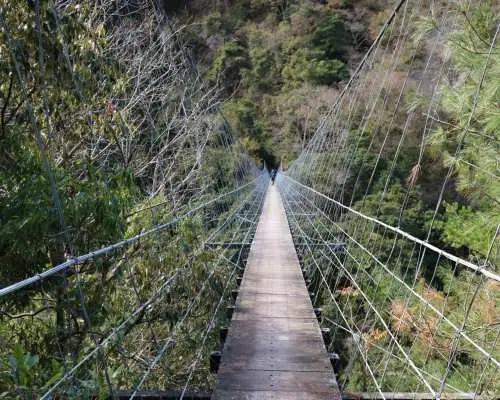


Syakaro Historic Trail & Ma'an Police Station Day Tour | Departing from Taichung
Booking confirmed 2 day(s) after ordering
Duration:10 hour(s)
Free cancellation 3 day(s) prior to experience date
- A hidden maple-viewing gem comparable to Aowanda, filled with the nostalgic charm of ancient trail ruins
- Travel comfortably in an air-conditioned vehicle to visit the Syakaro secret spot with ease
- Includes pickup service from major hotels in downtown Taichung and HSR Taichung Station
- Yanglao Trailhead to Baishi Police Station, a flat 10km round trip to soak in the most beautiful maple red in Taiwan
Product Info
Purchase Notice
- The minimum number of people in the group is 6. When the number of participants does not reach the above-mentioned minimum number of people in the group, the tour will be cancelled, and an email notification of the cancellation of the tour will be sent 1 day before the departure date.
- Please be sure to arrive at the designated location 10 minutes before. In order to avoid delays in the future, we will not wait for overtime.
- If affected by traffic congestion, facility maintenance, etc., the itinerary route or the stay time of each scenic spot will be adjusted, please be informed.
- Please be sure to arrive on time at the gathering time of each attraction. If you cannot continue to participate in the itinerary due to personal factors such as being late, no refund will be given. Please note.
- This itinerary is a carpooling product, and the transportation method used is carpooling, and you will travel with other passengers in the same car.
- Please note that the service content and itinerary will be adjusted on a rolling basis in accordance with government regulations.
- The arrangement of parking spaces shall be selected according to the order of passengers' on-site check-in, and designated seats will not be accepted.
- Since the vehicle is a closed space, remember to wear a mask for the health of passengers.
- On the day of departure, please ensure that the mobile phone and communication software are unblocked, so as to avoid the delay of the trip due to the inability to connect.
- This trip is the same price for adults and children.
- Confirm the group 3 days before departure, if not, we will assist in refunding or rescheduling.
Reminders
A minimum of 6 traveler(s) are required for the tour to depart. If the number of participants does not reach the minimum requirement, the tour will be canceled. An email regarding tour cancellation will be sent 2 day(s) before the departure date
Please arrive at the designated location 10 minute(s) before the scheduled departure time, as the tour will depart on time
Cancellation Policy
- Cancellations 3 day(s) (inclusive) before the selected date are allowed. Unused orders can be canceled for free
- For cancellations made 1 to 2 days prior to selected date, a cancellation fee of 50% will apply
- Cancellation is not allowed between 0–0 days from the selected date. Orders cannot be canceled or modified, and refunds will not be granted.
NOTE
- Due to time zone differences, the confirmed cancellation date is based on the supplier’s local time. Please allow 2–5 business days to process your cancellation request, after which the cancellation fee will be charged according to the product’s cancellation policy. Once your refund request is confirmed, KKday will initiate the refund to your original payment method within 15 days. The actual refund timing depends on your card-issuing bank’s policy.


