


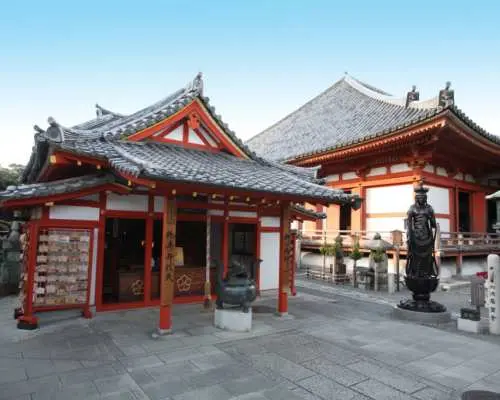

[Limited-Time] Kyoto: The Seven Lucky Gods Tour | Japan (Departing from Kyoto Station)
Discover the origins of the Seven Lucky Gods on a time-limited day tour from Kyoto Station, including Tofuku-ji Temple and Kyoto Ebisu Shrine, ensuring a New Year filled with blessings.
- A great tour to visit all the Seven Lucky Gods in Kyoto efficiently in a single day
- Participate in this tour and receive a limited-edition Seven Lucky Gods charm as a gift
- This Kyoto tour is only available during the New Year's holidays!
Sightseeing Tours
| Tour Type | Shared tour |
| Transportation method | Transfer from meeting point |
| Minimum participant requirement | 1 traveler |
| Tour types | Guided tour |
| Meal arrangement | Lunch included |
| Sightseeing type | Temples & shrines, Bus tour |
| Transport | Bus tour |
Product Info
Purchase Notice
— Travel Conditions —
- Departure/Return: Kyoto/Kyoto
- Travel days: day trip
- Transportation used: Shared bus
- Operating bus company: Keihan Bus Co., Ltd.
- Meal conditions: 0 times in the morning, 1 time in the afternoon, 0 times in the evening
- Accommodation: None
- Minimum number of participants: 1
- Tour conductor: 1
- Guide: 0
— Travel Planning/Implementation —
- Company name: Keihan Bus Co., Ltd.
- Address: 5 Higashikujo Minamiishida-cho, Minami-ku, Kyoto City
- Registration number: Kyoto Governor Registered Travel Agency No. 2-192
— Consignment Sales —
- KKDAY JAPAN Co., Ltd.
- 2F WESTALL Yotsuya Building, 1-22-5 Yotsuya, Shinjuku-ku, Tokyo 160-0004
- Commissioner of the Japan Tourism Agency Registered Travel Agency No. 2045
- Member organization: Japan Association of Travel Agents (JATA)
Reminders
Please note that a part of the journey will be by taxi
Please note that vegetarian or allergy requests are not accepted
The time spent at each spot and the order may change depending on the traffic conditions and weather of the day
Cancellation Policy
- Cancellations 8 day(s) (inclusive) before the selected date are allowed. Unused orders can be canceled for free
- For cancellations made 1 to 7 days prior to selected date, a cancellation fee of 5% will apply
- Cancellation is not allowed between 0–0 days from the selected date. Orders cannot be canceled or modified, and refunds will not be granted.
- Due to time zone differences, the confirmed cancellation date is based on the supplier’s local time. Please allow 2–5 business days to process your cancellation request, after which the cancellation fee will be charged according to the product’s cancellation policy. Once the cancellation is confirmed, you will receive your refund within 14 working days.
FAQ
The Kyoto Seven Gods of Fortune pilgrimage primarily involves worshipping seven deities symbolizing different kinds of good fortune. They are: Ebisu, the god of business prosperity; Daikokuten, the god of abundant harvests; Bishamonten, the god who overcomes difficulties; Benzaiten, the goddess of arts and talents; Fukurokuju, the god of happiness, wealth, and longevity; Jurōjin, the god of longevity and wisdom; and Hotei, the god of conjugal harmony and happiness. Each deity represents a different auspicious meaning.
The Seven Gods of Fortune pilgrimage originated in Japan during the late Muromachi period, blending Buddhism with Japanese Shinto. Its purpose is to eliminate seven types of calamities and attract seven kinds of good luck by worshipping seven deities of fortune. Visiting during the New Year period is especially believed to bring the merit of 'seven misfortunes extinguished, seven blessings born,' praying for peace and good fortune in the new year.
Worshipping the Seven Gods of Fortune in Kyoto can bring diverse blessings: Ebisu bestows prosperity in business and abundance in fishing; Daikokuten brings abundant harvests and financial fortune; Bishamonten protects against misfortune and grants victory; Benzaiten enhances artistic talent and wealth; Fukurokuju symbolizes happiness, high income, and longevity; Jurōjin represents longevity and wisdom; and Hotei blesses marital harmony, fertility, and good fortune.
The concept of Japan's Seven Gods of Fortune originated in the late Muromachi period, combining six deities from Indian Buddhism (Daikokuten, Bishamonten, Benzaiten, Fukurokuju, Jurōjin, Hotei) with Ebisu, a deity from native Japanese Shinto. This belief was deeply inspired by the thought in the 'Ninnō-gyō' (Benevolent Kings Sutra) about 'seven calamities being extinguished and seven blessings arising.' It gradually developed into a unique folk belief in Japan, aimed at praying for good luck and blessings.
A one-day Kyoto Seven Gods of Fortune pilgrimage typically departs from a meeting point like Kyoto Station and travels by dedicated vehicle to the Seven Gods of Fortune temples scattered throughout Kyoto. The itinerary is carefully planned to ensure visits to various temples housing different fortune gods, such as Toji Temple, Rokuharamitsu-ji Temple, and Kyoto Ebisu Shrine. These tours aim to allow participants to complete all the worshipping in one day with ample time for prayer.
When visiting the Kyoto Seven Gods of Fortune, you can obtain various special items. Common ones include the 'Goshuin' (temple seals) from each temple, serving as precious proof of the pilgrimage, or amulets specifically designed for the Seven Gods of Fortune pilgrimage, symbolizing the combined blessings of the seven deities. Additionally, many temples offer various 'Omamori' (charms) for good luck in areas like wealth, health, or general fortune, allowing you to take blessings home.
Visiting the Seven Gods of Fortune during the New Year is considered a very auspicious tradition in Japan. Worshipping during this time helps realize the wish of 'seven misfortunes extinguished, seven blessings born,' meaning to eliminate seven types of bad luck and welcome seven kinds of good fortune, bringing good omens for the new year. Many temples also hold special prayer events or offer limited edition charms during the New Year, making the winter pilgrimage even more meaningful.
Kyoto Ebisu Shrine is an important site in the Seven Gods of Fortune faith, primarily enshrining Ebisu, one of the Seven Gods of Fortune. Ebisu is a native Japanese deity revered as the guardian god of commercial prosperity, abundant fishing, and plentiful harvests. The shrine is said to be one of the origins of the Seven Gods of Fortune belief, and especially during the 'Toká Ebisu' festival held every January, it attracts numerous worshippers praying for business success and family peace.
Get Help


