



【富士山王道行程】入住 9.5 合目胸突山莊・最短路徑登頂「劍峰」2 日遊|專業導遊全程導覽・新宿 07:30 出發
大多數行程僅到達吉田口山頂即下山,本行程將「劍峰」登頂列為標準行程。站在日本最高點俯瞰壯闊火口,這才是真正的富士登山。 ※若遇惡劣天氣、人潮擁擠或體力不支,將由導遊專業判斷是否前往,安全至上。
特點 2:【登頂的最強戰略】入住 9.5 合目「胸突山莊」
標高 3,590m,是日本海拔第二高的山小屋。
・行程平衡: 第一天先在山頂下方過夜,能為第二天清晨的攻頂與下山保留體力。
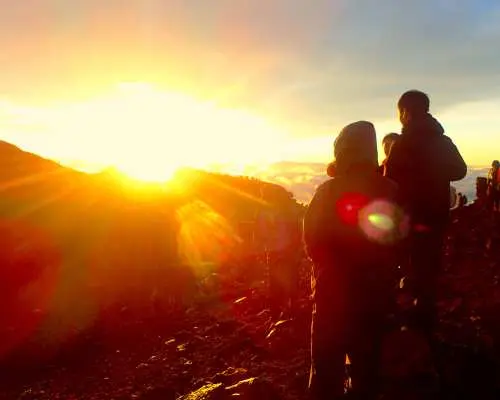
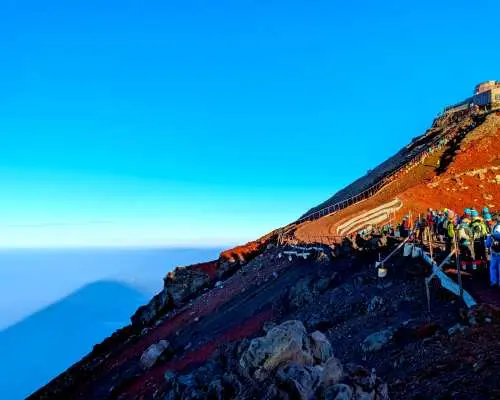
・震撼絕景: 小屋前方即可遠眺箱根、伊豆半島與江之島。在雲海之上享受滿天星斗、夜景與神奇的「影富士」。
特點 3:距離最短、海景最美——「富士宮路線」
從海拔最高的五合目(2,400m)出發,至山頂距離為所有路線中最短,能大幅節省體力,最推薦給初學者。登山途中轉身即可俯瞰美麗的「駿河灣」海景。
特點 4:專業導遊全程引導・下山溫泉放鬆
專業導遊將根據團員狀況精確分配步調。下山後,將前往溫泉設施洗去汗水(入浴費與餐費自理),在登頂後的餘韻中享受餐點與啤酒。
特點 5:新宿集合點直接領取!專業裝備租借服務
富士山頂即使夏季也接近零度。本行程可預約「やまどうぐレンタル屋」租借組。
・身輕如燕: 租借店位於集合地點大樓的 6 樓,當天 06:30 即可領取,直接出發。
Package Options


Product Info
Purchase Notice
・對象為國小 4 年級以上至 74 歲。未滿 15 歲需家長陪同,未滿 20 歲需家長同意書。
・患有循環系統疾病或有相關病史者,請務必先徵詢醫師建議。
重要!關於入山費:
・需另支付 4,000 日圓入山費。請務必於出發前一日自行完成【靜岡縣側】的線上登記與支付。
・注意: 若誤付成山梨縣側(吉田路線)將無法退款,且須重新支付靜岡縣費用,請務必仔細核對。
火口巡禮(お鉢巡り):
・本行程包含挑戰最高峰「劍峰」,但不包含繞行火口一圈(お鉢巡り)的導覽。
Reminders
【集合與裝備】
・集合地點: 東京都新宿區西新宿 1-13-7 大和家大樓 1 樓。
・領取裝備: 租借店位於 6 樓,06:30 開啟。請務必在 07:30 集合前完成領取。
【零錢與緊急現金準備】
・廁所費用: 登山步道廁所皆需付費(200-300 日圓)。請準備足夠的 100 日圓硬幣。(住宿期間僅使用山莊內廁所免費)
・緊急預備金: 若因體力不足無法抵達預定山莊,需改住其他小屋時,產生的額外費用由旅客自負。山上無法刷卡,請務必隨身攜帶 15,000 日圓現金作為預備。
【住宿與餐飲】
・山莊設施: 床位採男女混住(依團體分配)。提供棉被(不需睡袋)。無盥洗及沐浴設備。
・素食需求: 請務必在預訂時告知。晚餐提供蔬菜咖哩(含動物性成分提煉,非純素),早餐提供甜點麵包與果汁。
【其他說明】
・行李保管: 不帶上山的行李可置於五合目(付費置物櫃)或巴士內。
Cancellation Policy
- Cancellations 21 day(s) (inclusive) before the selected date are allowed. Unused orders can be canceled for free
- For cancellations made 8 to 20 days prior to selected date, a cancellation fee of 20% will apply
- For cancellations made 2 to 7 days prior to selected date, a cancellation fee of 30% will apply
- For cancellations made 1 to 1 days prior to selected date, a cancellation fee of 40% will apply
- Cancellation is not allowed between 0–0 days from the selected date. Orders cannot be canceled or modified, and refunds will not be granted.
- Due to time zone differences, the confirmed cancellation date is based on the supplier’s local time. Please allow 2–5 business days to process your cancellation request, after which the cancellation fee will be charged according to the product’s cancellation policy. Once your refund request is confirmed, KKday will initiate the refund to your original payment method within 15 days. The actual refund timing depends on your card-issuing bank’s policy.
FAQ
1. Where is Mount Fuji located geographically, and which prefectures does it span?
Mount Fuji is Japan's tallest peak, situated on Honshu Island, about 100 kilometers southwest of Tokyo. It spans the border between Shizuoka and Yamanashi Prefectures. This iconic stratovolcano is a prominent part of the Fuji-Hakone-Izu National Park and offers stunning views from various points across both regions.
2. How long does it typically take to travel from Shinjuku to the Mount Fuji Fujinomiya 5th station starting point?
Travel time from Shinjuku, the tour's departure point, to the Fujinomiya 5th Station for Mount Fuji climbing typically takes around 2.5 to 3 hours by bus, depending on traffic conditions. This route is chosen for its higher starting elevation, making it the shortest path to the summit.
3. Does Mount Fuji retain its snow cap throughout the year, particularly during the official climbing season?
While Mount Fuji is famous for its snow-capped peak, the snow typically melts during the official climbing season, which runs from early July to early September. During these summer months, climbers can ascend with minimal or no snow cover on the main trails. Snow usually begins to reappear in late autumn.
4. What is the recommended period for climbing Mount Fuji for optimal weather and trail conditions?
The recommended period for climbing Mount Fuji for optimal weather and trail conditions is generally during the official climbing season, from early July to early September. Within this period, late July to mid-August often offers the most stable weather, less snow, and milder temperatures, although it is also the busiest.
5. What is the typical duration for climbing to Mount Fuji's Ken-mine Peak, including acclimatization?
This tour is a 2-day itinerary designed for climbing Mount Fuji to Ken-mine Peak. The first day involves ascending to Munetsuki Mountain Hut at the 9.5 station (3,590m) for an overnight stay to aid acclimatization. The second day focuses on the early morning summit push to Ken-mine (3,776m) and the descent.
6. Is Mount Fuji generally accessible for climbing, and what route is considered best for beginners?
Yes, Mount Fuji is accessible for climbing during its official season. The Fujinomiya Route is highly recommended for beginners due to it being the shortest path from the 5th station to the summit. It also starts from the highest 5th station (2,400m) among all routes, helping to conserve energy.
7. During which specific months is the official climbing season for Mount Fuji typically open?
The official climbing season for Mount Fuji typically runs from early July to early September each year. During these months, mountain huts are open, trails are well-maintained, and public transportation to the 5th stations is fully operational, providing the safest and most convenient climbing experience.
8. Is Mount Fuji classified as an active or dormant volcano, and how does this affect climbing safety?
Mount Fuji is classified as an active stratovolcano, though it has been dormant since its last eruption in 1707. While active, strict monitoring is in place by meteorological agencies. Climbing safety during the official season is generally high, with proper precautions and guide assistance, which ensures adherence to safety protocols.
Get Help


