


Reservations for climbing Akame 48 Waterfalls and entering Akame Waterfall Aquarium (Nabari City, Mie Prefecture)
- The Japan Salamander Center has been renovated into the Akamedaki Aquarium!
- It has also been selected as one of the "100 Best Waters of the Heisei Era," "100 Best Waterfalls in Japan," "100 Best Forests for Forest Bathing," and "100 Best Walks," and you can enjoy nature in a variety of ways, including hiking, strolling, and forest bathing.
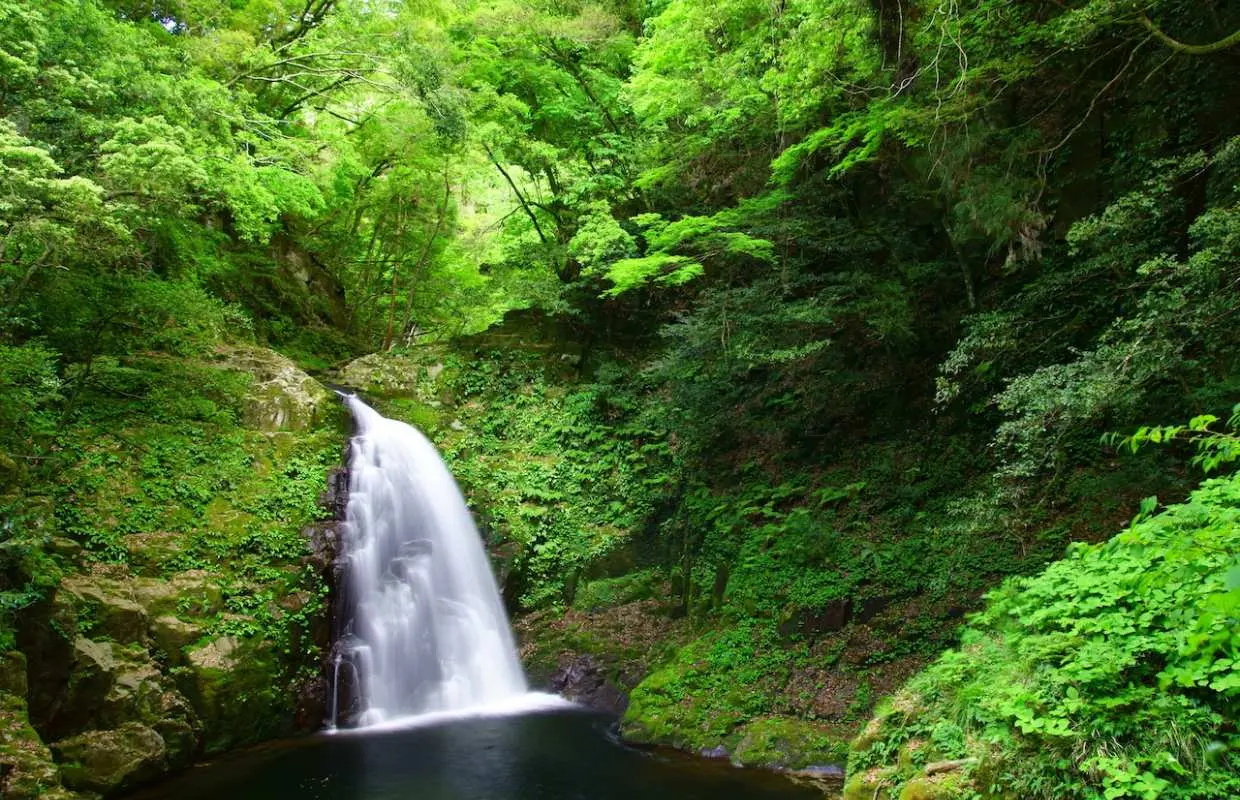
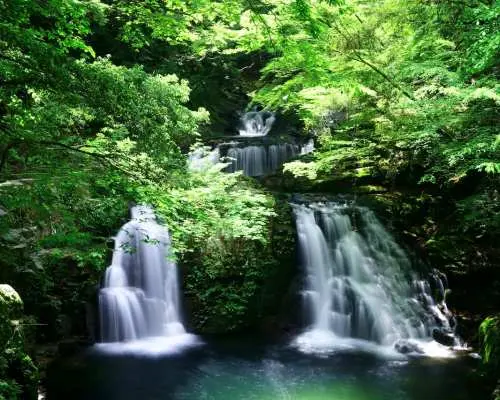
- In addition to the famous Akame Five Waterfalls - Fudo Falls, Hidote Falls, Nunobiki Falls, Nitan Falls, and Biwa Falls - there are a variety of other waterfalls, including the aptly described Amefuretaki Falls, Hinadan Falls, the mysterious Skeleton Falls, and Reihebi Falls.
- Natural aromatherapy! Why not take a stroll around Akame Shijuhachitaki waterfalls, which are full of negative ions?
Attraction Tickets
| Ticket type | E-ticket (direct entry) |
| Attraction type | Ecology & conservation, Aquariums |
| Natural scenery | Waterfalls, Mountains |
Product Info
The content of this product is provided by machine translation and may not reflect the actual information, please take this into consideration before booking.
- Spot Introduction -
Akame Forty-Eight Waterfalls is a secluded valley created by the clear flow of a waterfall and deep forests.
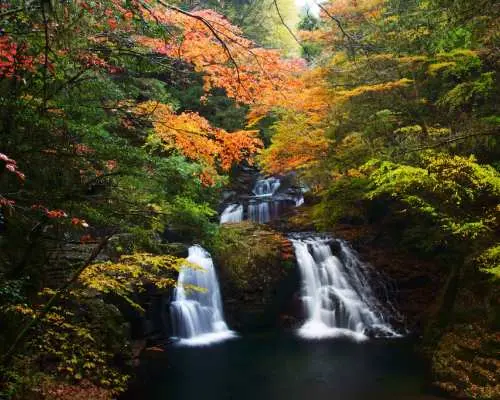
The approximately 4km circular path that connects the waterfalls is a promenade from which you can view the falls amidst the vibrant seasonal scenery of cherry blossoms, fresh greenery, and autumn leaves.
Akame Falls Aquarium exhibits over 50 animals of nine species, mostly domestically-bred, including giant salamanders that are native to Akame.
You can take a close look at the giant salamander's unique appearance and ecology.
- Mountain entrance fee - (includes admission to Akamedaki Aquarium)
Adults: ¥1,000 (Ages 11 and up)
Children: ¥500 (Ages: elementary and junior high school students)
Infant: ¥0 (Age: Preschoolers)
*The mountain entrance fee (Akamedaki Aquarium entrance fee) is collected for the purposes of environmental conservation, cleaning, and safety management within the valley.
We appreciate your understanding and cooperation.
You can see a total of 23 waterfalls, including the basin.

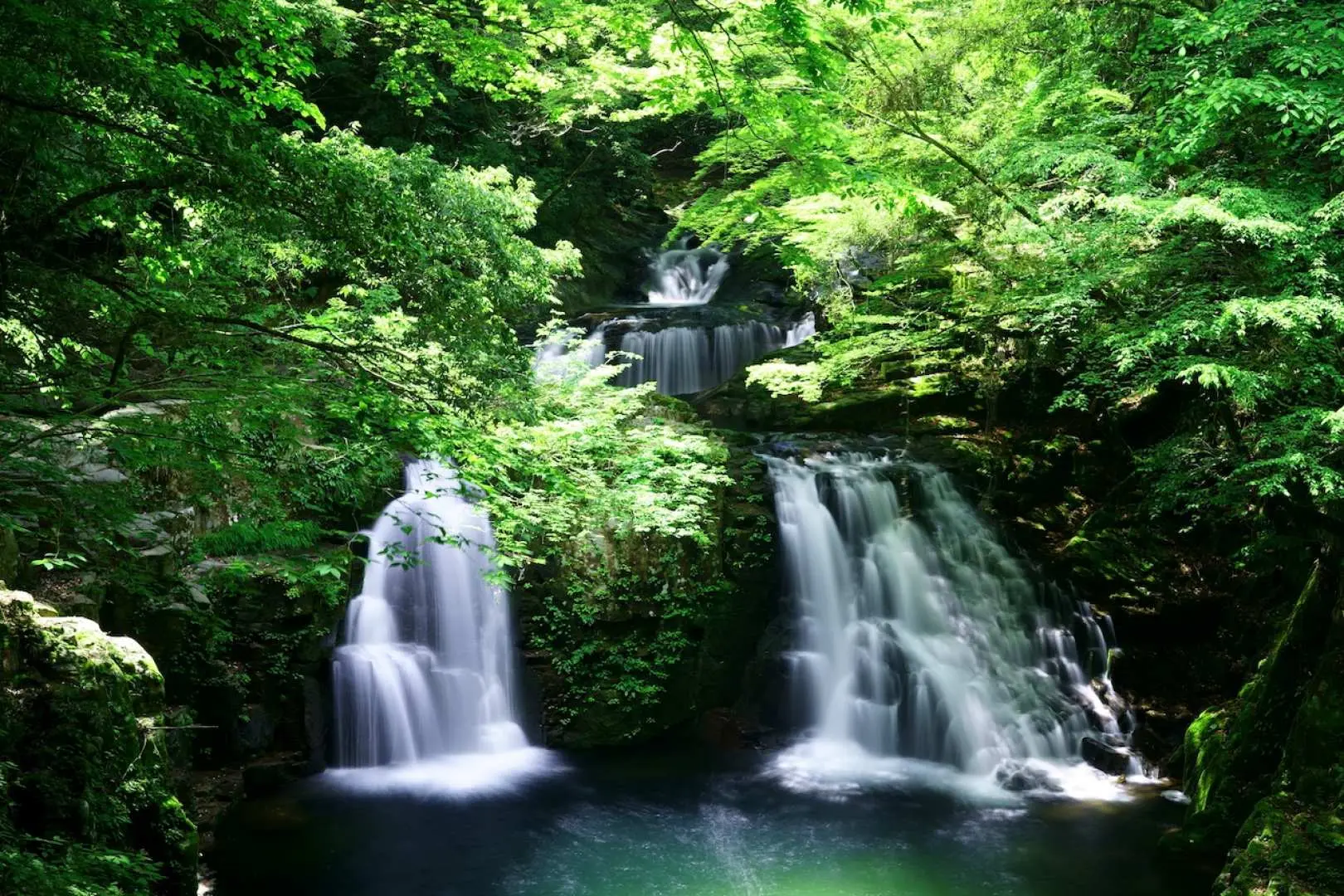
Akame Shijuhachitaki is a natural aromatherapy space filled with negative ions.

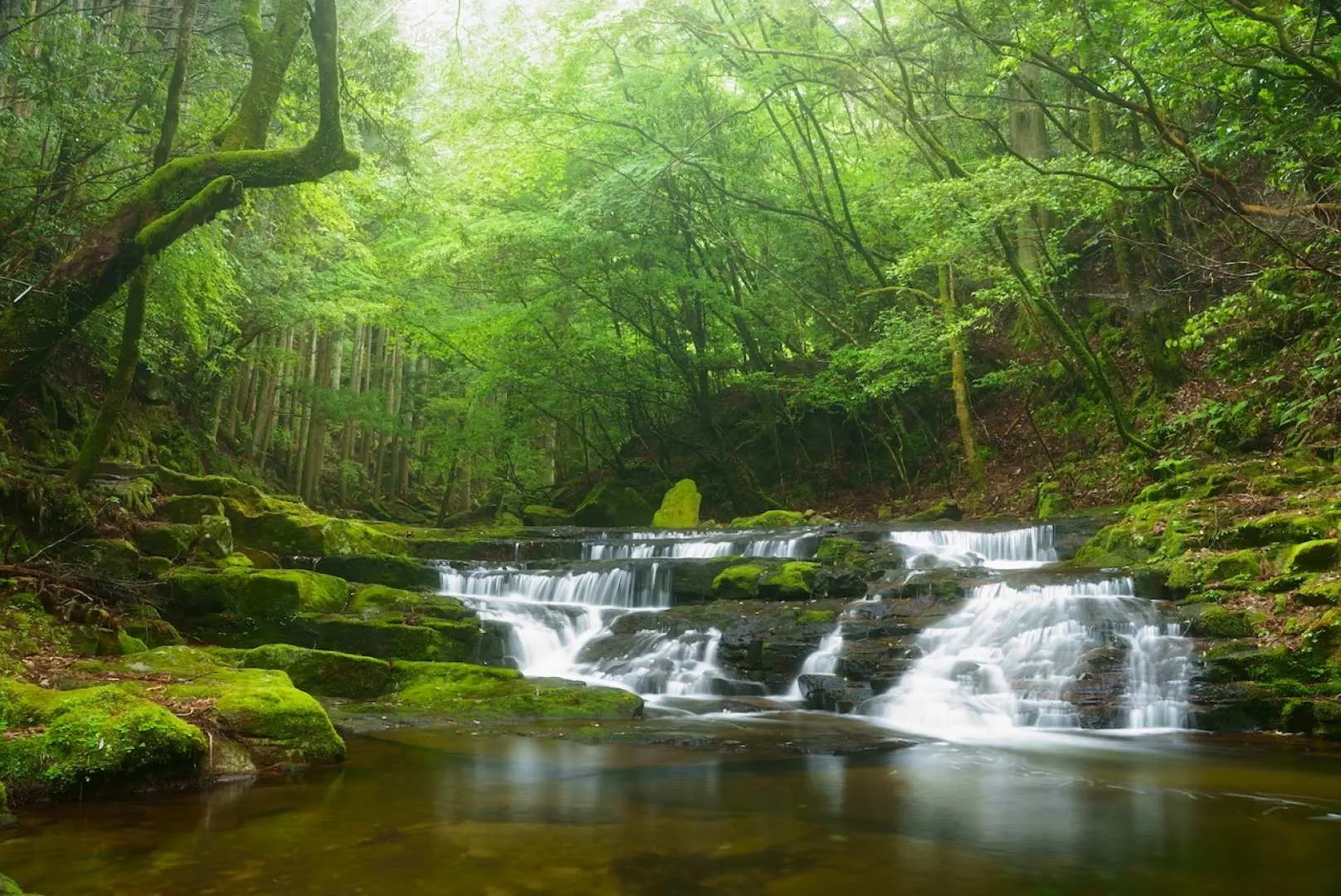
Autumn/Winter limited light-up event "Mysterious Bamboo Lights"

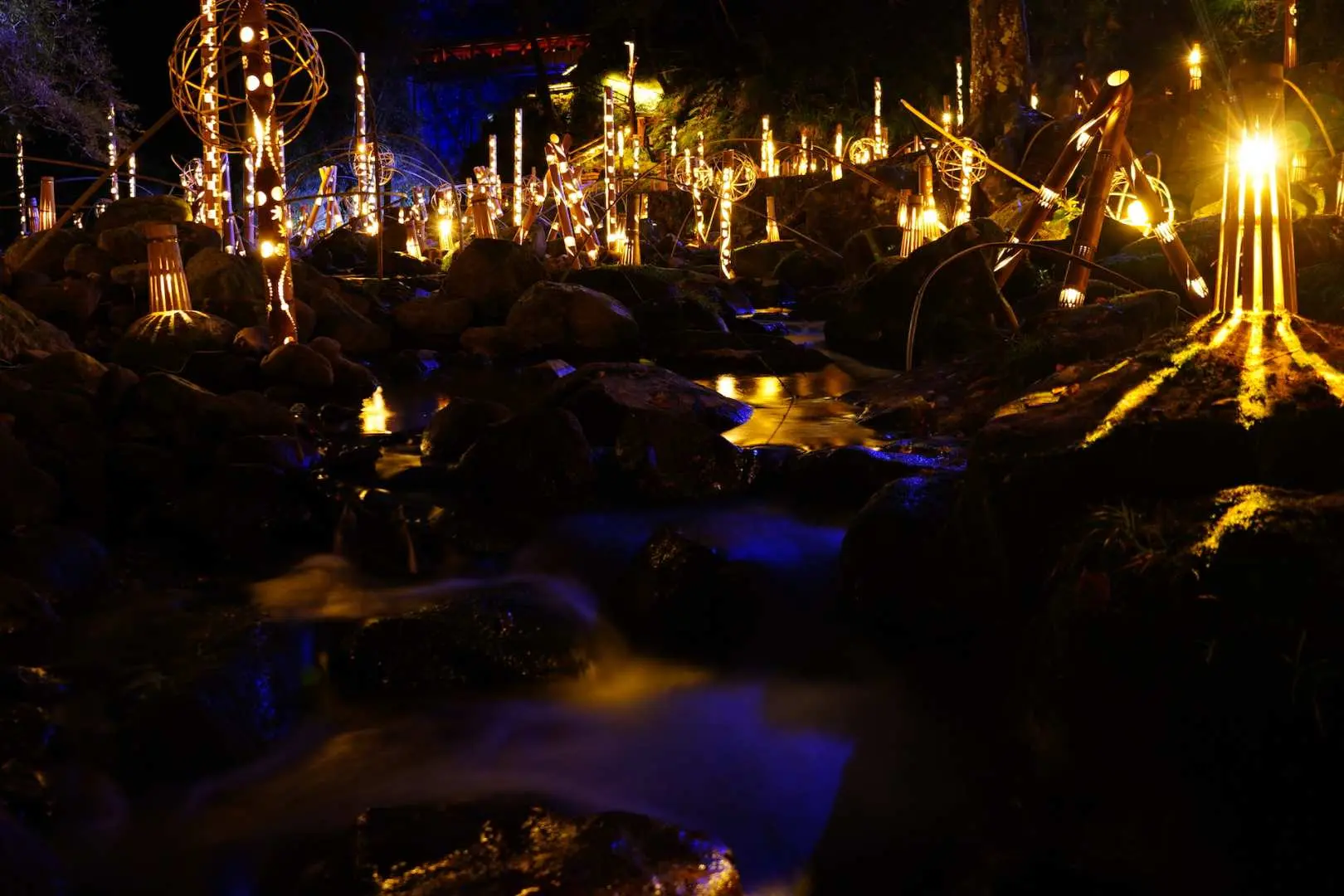
The fantastical and warm bamboo lanterns provide a soothing glow against the backdrop of the moss-covered valley and cascading waterfall.


Purchase Notice
[Request to all those entering Akame Valley]
- The valley is slippery, so please be careful where you step when entering the mountain.
- Please proceed with caution on the walking paths as they can be particularly slippery in rainy weather or early in the morning.
- Please bring simple crampons on days when the paths are frozen or there is snow.
[Clothing and belongings]
Please refer to this page .
- Trekking shoes or comfortable walking shoes
- Hat (for sun protection and to prevent heatstroke)
- Gloves (for protection against cold and injury)
- Long shirt, long pants *Please layer according to the season.
- Jacket (change of clothes in case you get sweaty when going down the mountain)
- You can come empty-handed, but if you plan to walk the entire length, we recommend bringing a backpack, drinks, a towel, rain gear, a garbage bag, etc.
[Travel time]
- 1-3 (The whole valley is about 3 hours round trip, about 7-8km long.)
- Bamboo lanterns last for about 30 minutes to 1 hour.
Reminders
Coin lockers are available at Akame Natural History Museum. Large luggage such as strollers and large suitcases can also be stored at the counter. (*There is a fee for storing luggage.)
There is one toilet in the valley. The first one is located near Senju Falls, about 15 minutes from the entrance. There is no toilet in Akame Falls Aquarium at the entrance, so please use the public toilet near the parking lot before coming to the valley.
The leaves begin to change color near the top of the mountain around the end of October, and the best time to see them is early November from the top of Mt. Nagasaka, and mid-November throughout the valley.
The valley is designated as a Class 1 area within a quasi-national park under the Natural Parks Act, and collecting and moving any plants or animals is prohibited. Please be careful.
Many giant salamanders live in Akame Valley, but because they are a special natural monument, they cannot be touched.
Re-entry is permitted on the same day only. Please show your ticket at the ticket window.
How to Redeem Your Voucher
How to Use Your Voucher
- Please present your QR code on-site
Voucher Redemption Period
- Valid for redemption within 180day(s) from the date of issue; Invalid after expiration
Experience Location
Location Name: Akame 48 Waterfalls (Akame Falls Aquarium)
Address: 861-1 Nagasaka, Akame-cho, Nabari City, Mie PrefectureMonday 09:00–17:00
Tuesday 09:00–17:00
Wednesday 09:00–17:00
Thursday 09:00–17:00
Friday 09:00–17:00
Saturday 09:00–17:00
Sunday 09:00–17:00
Cancellation Policy
- Once the order has been completed, it cannot be canceled, modified, or refunded
- Due to time zone differences, the confirmed cancellation date is based on the supplier’s local time. Please allow 2–5 business days to process your cancellation request, after which the cancellation fee will be charged according to the product’s cancellation policy. Once the cancellation is confirmed, you will receive your refund within 14 working days.
FAQ
To reach Akame 48 Waterfalls by public transportation, first take the Kintetsu Railway to Akameguchi Station. From Akameguchi Station, you can then take a local bus directly to the Akame Falls bus stop. The bus ride typically takes about 10-15 minutes, and the waterfall entrance is a short walk from the bus stop.
Yes, there are restrictions to ensure safety and preserve the natural environment. Visitors are generally not permitted to swim in the waterfall basins or streams at Akame 48 Waterfalls. It is important to stay on designated paths, avoid littering, and respect the natural surroundings to maintain the area's pristine condition.
Akame 48 Waterfalls offers a spectacular natural experience with its approximately 4km circular path that connects numerous waterfalls amidst deep forests. Highlights include the famous Akame Five Waterfalls (Fudo, Hidote, Nunobiki, Nitan, and Biwa), diverse seasonal scenery, and a healing atmosphere filled with negative ions, ideal for hiking, strolling, and forest bathing.
Akame 48 Waterfalls is highly acclaimed for its exceptional natural beauty and ecological significance. It has been officially selected as one of the '100 Best Waters of the Heisei Era,' '100 Best Waterfalls in Japan,' '100 Best Forest Bathing Forests,' and '100 Best Walks.' This recognition underscores its status as a premier natural destination offering diverse outdoor experiences.
The main hiking trail at Akame 48 Waterfalls is an approximately 4-kilometer circular path. This well-maintained promenade allows visitors to comfortably view a variety of waterfalls. The entire loop typically takes about 2 to 3 hours to complete, depending on your pace and the amount of time spent admiring the scenery.
The hiking experience at Akame 48 Waterfalls is generally considered moderate. The 4km circular path is well-maintained, but it does include some uneven terrain, stairs, and gentle ascents. It is suitable for most visitors, including families, but comfortable hiking shoes are recommended due to potentially slippery surfaces, especially after rain.
Yes, guided tours are often available at Akame 48 Waterfalls. Participating in a guided tour can enhance your experience by providing deeper insights into the area's ninja history, local flora and fauna, geological features, and the legends surrounding the individual waterfalls. Guides can also ensure a safer and more informative exploration of the trails.
The Akamedaki Aquarium, formerly known as the Japan Salamander Center, is a unique attraction at Akame 48 Waterfalls. It is dedicated to the conservation and study of the Japanese Giant Salamander and other aquatic life. Visitors can observe these rare amphibians up close and learn about their habitat and the local ecosystem through informative exhibits.
Get Help


