


【Changhua Classic private day tour】Lukang Old Street & Cheng Mei Cultural Park & Fangyuan Ox Cart Clam Digging Experience|5, 8, or 10-hour options available|Departing from Taichung & Changhua
★ Those who purchase the 10-hour option can enjoy popular attractions such as the Fangyuan Ox-cart experience and the Mangrove Boardwalk to experience the different facets of Changhua.
★ Professional driver guide will lead you through the streets and alleys of Lukang and can even take photos for you to capture beautiful memories.
Package Options
Private & Shared Cars
| Shared transfer type | Attraction transfer |
| Charter type | Half-day charter, 1-day charter |
| Car model | 5-seater, 7-seater |
| Other service | Bottled water |
Product Info
What You Can Expect
1 Day
- Tianhou Temple
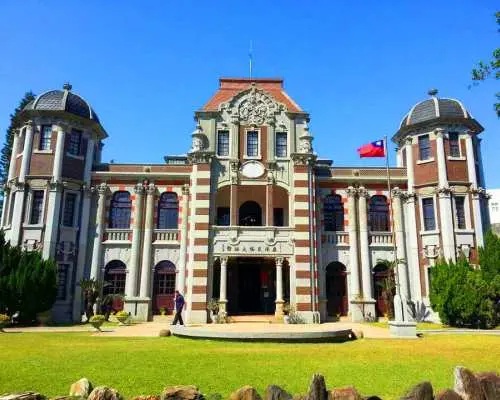
- Lukang Folk Arts Museum (Koo Family Mansion)
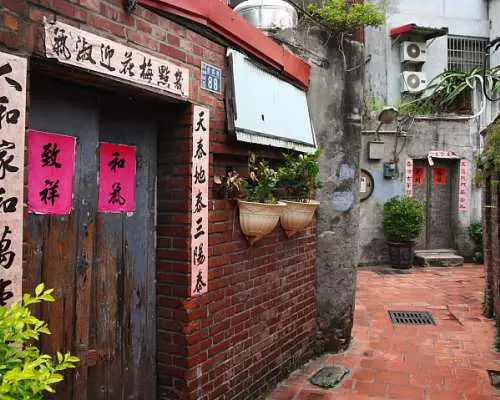
- Jiuqu Alley
- Longshan Temple
- Osmanthus Alley Artist Village
- Moluxiang (Breast-Touching Alley)
- Xing'an Temple
- Ox-Cart Coastal Experience
- Taiwan Glass Gallery
- Taiwan Glass Gallery (for 5 & 8-hour itineraries, subject to time availability)
- Sea and Sky Trail, stay for approximately 60 minutes. 《This activity is for the 10-hour itinerary》
- Ox-cart experience. This activity is subject to tidal conditions and requires 2-3 hours. 'This is for the 10-hour itinerary'
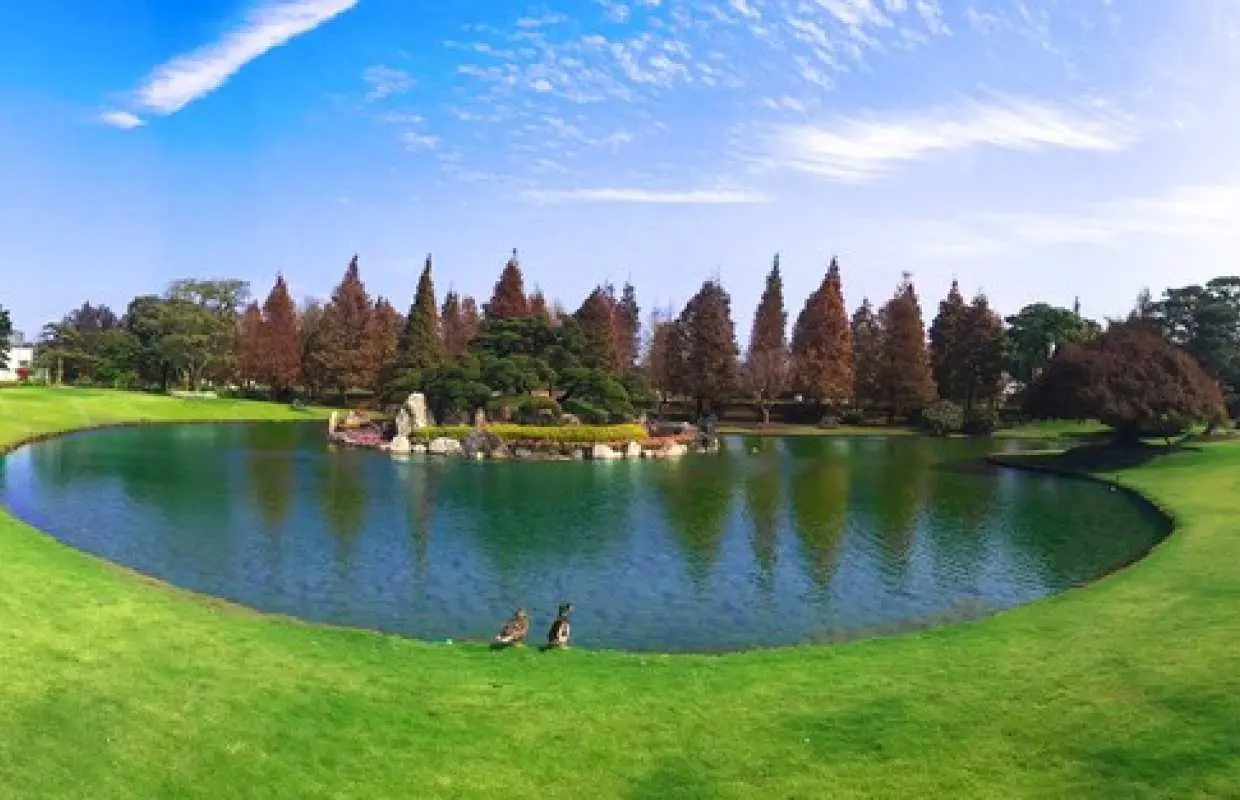
- Cheng Mei Cultural Park (Taiwan's Kenrokuen), stay for approximately 120 minutes. 'This is for the 8-hour itinerary'


Purchase Notice
★ Tickets for Chengmei Cultural Park must be purchased on site: 1 Ticket: NT$ 300, Discount Ticket NT$ 280, Discount Ticket: NT$ 150 (Yongjing Township Residents, 7-12 Year-Old Students, People with Disabilities and One Accompanying Person), Discount Ticket: NT$ 150 (Yongjing Township Residents, 7-12 Year-Old Students, People with Disabilities and One Accompanying Person)
(Under 7 years old or under 120 cm in height)
Free guided tours are available at 10:30, 14:00, and 15:00 on holidays; pet strollers are allowed into the park
★Erlu Fengqing Tricycle Tour Fee: Two people: NT$ 500/1H, NT$ 700/1.5H, NT$ 900/2H; Three people: NT$ 600/1H, NT$ 800/1.5H, NT$ 1000/2H.
★Tickets for Lukang Folk Cultural Relics Museum need to be purchased by yourself: Full ticket NT$ 130 / Half ticket NT$ 70 / Group ticket NT$ 90 / Student group ticket NT$ 40.
★ "Fangyuan Sea Bull Car Experience Fee": Adults and elementary school students and above NT$ 400 per person, kindergarten students NT$ 250 per person, children under 3 years old are free, the ride takes about 2 to 3 hours, and reservations must be made in advance. This trip requires joining a group!
★Bull cart included (exclusive iron bull cart)
1. One car for 5 people (including adults and children up to kindergarten): NT$ 2500
2. One car for 8 people (including adults and children up to kindergarten) NT$ 3200/yuan
3. 10 people per car (including adults and children up to kindergarten) NT$ 4000
4. A car with 13 seats (including adults and children up to kindergarten) costs NT$ 5,200. If you have any questions, please consult the customer service staff and they will explain it to you clearly.
Since the number of places for the Manatee Car Experience is limited, please inform us as soon as possible if you wish to participate. If the Manatee Car Experience is cancelled due to objective factors or beyond our control after you have informed us of your reservation, we will handle it according to the actual situation. If it rains, the event will be cancelled and the alternative venue will be the Taiwan Glass Museum.
★The time and arrangement of the Manatee Car Experience Activity are subject to the announcement of the on-site unit (in accordance with the tide). "If the tide time is close to 16-17 pm, other itineraries will be substituted to cooperate with the itinerary." Please note.
★This itinerary provides driver pick-up and drop-off services, scenic spot consultation, and no tour guide service. Detailed pick-up information and driver contact information will be provided one day before departure.
★The vehicle model of this service does not have barrier-free facilities and cannot carry non-foldable strollers and large sports equipment. It is not recommended for passengers with limited mobility to participate. We apologize for the inconvenience caused.
★If you need an English driver, guide, or explanation, please note it in the order. An additional fee of NT$ 800 will be charged, which must be paid on site.
★Please note the names of the pick-up stations and major hotels.
★Night service fee: Use the vehicle and driver-guide service from 22:00 to 07:00 the next day local time. Pay the driver-guide night service fee of NT$500/day on site.
★Pets are not allowed on this tour, and it is strictly forbidden to bring dangerous items on the tour. Please cooperate.
★Please note that the following behaviors are prohibited in the car: smoking, taking off shoes, kicking the back of the driver's seat, spitting through the window, and littering. If you feel unwell, please inform the driver and ask for a vomit bag. If the vehicle is soiled or damaged due to personal reasons, according to local laws in Taiwan, the cleaning and repair costs will be borne by the passenger in full and must be paid in cash on the spot. Please be aware of this.
★ Elderly people over 70 years old or passengers with limited mobility should carefully assess their physical condition before deciding whether to sign up. If you wish to join the tour, you must be accompanied by family or friends. We apologize for any inconvenience caused.
★In case of typhoon, bad weather, safety and other factors, we will decide whether to cancel the tour before 21:00 one day before departure. We will cancel the tour itinerary and send an email notification of the cancellation one day before departure. We will refund the full amount to the tourists.
★No refund will be given if the activity is not completed due to climate change or personal reasons.
Includes/Excludes
- Bottled water
- Parking fee
- Toll fee
- 3 million passenger liability insurance
- Including travel insurance (2 million accidental death, accidental disability, 200,000 accidental major burns and scalds, 200,000 accidental injury medical treatment)
- Driver meal expenses
- Chinese/English driver
- ETC fees
- Dining expenses
- Attraction tickets
- Personal expenses
- Tips for the driver (if you appreciate the driver’s service, please encourage the driver to tip)
- meals
- Experience fee
- Overtime charges
Reminders
When time delays caused by force majeure factors such as traffic and weather cause the cancellation of part of the itinerary, please contact customer service and we will provide you with a full refund.
In the event of bad weather conditions such as typhoons or snowstorms, a decision will be made one day before departure (22:00 local time) whether the tour will be canceled or not. We will then notify you by email, phone, text message, or communication software at any time.
Please be sure to wait for pick-up at the meeting point in advance and wait no more than 5 minutes after the vehicle arrives (airport pick-up will start 60 minutes after the flight stops). Order modification, cancellation or refund will not be requested on the grounds of lateness or no-show.
Due to different road conditions and pick-up time, the time will be subject to change. Please contact the driver first. In case of traffic congestion, the actual pick-up time may be delayed by 15-20 minutes from the reserved time. The driver and customer service will contact you to inform you. .
In the event of bad weather or force majeure factors, the supplier reserves the right to cancel or change the service. If there is any cancellation or change, the supplier will be notified one day in advance.
If you need a baby seat, please inform us when placing your order and pay the fee of NT: 200/seat on site.
Please be sure to leave your searchable communication software LINE ID, etc. If the communication software cannot obtain the connection, you will be notified by email, so please be sure to check it.
How to Redeem Your Voucher
How to Use Your Voucher
- Please present the e-voucher on-site
Meeting Point
Location Name: Taichung HSR Station Exit 7 Meeting Point 1-4
Address: Taichung HSR Station
Location Name: Taichung Railway Station B1 Exit 3
Address: Taichung Railway Station
Location Name: Changhua HSR Station Exit 3
Address: Changhua HSR Station
Location Name: Changhua Railway Station Entrance/Exit
Address: Changhua Railway Station
Experience Location
Location Name: Lukang Tianhou Temple
Address: Lukang Tianhou Temple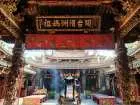
Cancellation Policy
- Cancellations 31 day(s) (inclusive) before the selected date are allowed. Unused orders can be canceled for free
- For cancellations made 16 to 30 days prior to selected date, a cancellation fee of 10% will apply
- For cancellations made 9 to 15 days prior to selected date, a cancellation fee of 30% will apply
- For cancellations made 4 to 8 days prior to selected date, a cancellation fee of 50% will apply
- For cancellations made 2 to 3 days prior to selected date, a cancellation fee of 80% will apply
- Cancellation is not allowed between 0–1 days from the selected date. Orders cannot be canceled or modified, and refunds will not be granted.
- Due to time zone differences, the confirmed cancellation date is based on the supplier’s local time. Please allow 2–5 business days to process your cancellation request, after which the cancellation fee will be charged according to the product’s cancellation policy. Once your refund request is confirmed, KKday will initiate the refund to your original payment method within 15 days. The actual refund timing depends on your card-issuing bank’s policy.
Get Help


