
![[First Kimono - Fushimi Inari Store] Experience renting and renting kimonos, yukatas, lace, and furisode in Kyoto, Japan | Fushimi Inari Shrine](https://image.kkday.com/v2/image/get/c_fill%2Ch_800%2Cq_55%2Ct_webp%2Cw_1240/s1.kkday.com/product_165671/20240326060534_43R39/jpg)
![[First Kimono - Fushimi Inari Store] Experience renting and renting kimonos, yukatas, lace, and furisode in Kyoto, Japan | Fushimi Inari Shrine](https://image.kkday.com/v2/image/get/c_fill%2Ch_400%2Cq_55%2Ct_webp%2Cw_500/s1.kkday.com/product_165671/20240326060535_0reZ0/jpg)
![[First Kimono - Fushimi Inari Store] Experience renting and renting kimonos, yukatas, lace, and furisode in Kyoto, Japan | Fushimi Inari Shrine](https://image.kkday.com/v2/image/get/c_fill%2Ch_400%2Cq_55%2Ct_webp%2Cw_500/s1.kkday.com/product_165671/20240401075345_BNdEi/jpg)
![[First Kimono - Fushimi Inari Store] Experience renting and renting kimonos, yukatas, lace, and furisode in Kyoto, Japan | Fushimi Inari Shrine](https://image.kkday.com/v2/image/get/c_fill%2Ch_400%2Cq_55%2Ct_webp%2Cw_500/s1.kkday.com/product_165671/20240326081534_3OhkL/jpg)
![[First Kimono - Fushimi Inari Store] Experience renting and renting kimonos, yukatas, lace, and furisode in Kyoto, Japan | Fushimi Inari Shrine](https://image.kkday.com/v2/image/get/c_fill%2Ch_400%2Cq_55%2Ct_webp%2Cw_500/s1.kkday.com/product_165671/20240326060534_qReJE/jpg)
[First Kimono - Fushimi Inari Store] Experience renting and renting kimonos, yukatas, lace, and furisode in Kyoto, Japan | Fushimi Inari Shrine
- Shop Reputation: A long-established Japanese kimono shop, located a 1-minute walk from Fushimi Inari Shrine. The shop specializes in authentic Japanese kimono experiences and serves over 50,000 visitors annually, boasting a stable and reliable reputation.
- Worry-free after-sales service: If you are unable to attend after making an appointment, you can reschedule for free. If you are not satisfied upon arrival (before wearing the outfit), you can exchange it or apply for a refund.
- Privacy protection: Spacious stores, each offering a private changing room, so changing clothes is never embarrassing.
- Professional service: We offer services in multiple languages including Chinese, English, Japanese, and Korean. One-on-one styling and meticulous work by stylists ensure a comfortable and efficient experience.
- A wide variety of styles are available: the store regularly adds new styles such as small stripes, lace, furisode sleeves, and yukatas, ensuring no two items are the same. Over 50 different hairstyles can be designed, offering an incredibly rich selection.
- Transparent pricing: All-inclusive packages with no mandatory add-ons or hidden charges; clearly marked prices for your peace of mind.
- Selected Photography: We choose photographers with over 5 years of experience in Japan to ensure shooting in various scenes. We promise a refund if the shooting time or number of photos does not meet our requirements.
- Friendly reminder: First kimonos can be returned to other stores for free (you need to take your luggage with you), free luggage storage, no kimono insurance, and some props can be used for free.
- If you require a professional photographer to accompany your travel, please click this link to purchase.
Package Options
Cultural Experiences
| Transportation method | Get there on your own |
| Location | Outdoor |
| Experience type | Costume rental |
| Outfit type | Kimono, Yukata |
| Additional service & facility | Makeup & hairstyle |
Product Info
The content of this product is provided by machine translation and may not reflect the actual information, please take this into consideration before booking.
— What You Can Expect —
Experience authentic Japanese kimono rental at First Kimono, with multiple stores across Tokyo and Kyoto. Return at any location to save a trip. Reserve to skip the queue and enjoy high-quality service. Choose from thousands of kimonos near scenic spots like Yasaka Shrine, Kiyomizu-dera Temple, Gion, and Fushimi Inari Taisha Shrine, perfect for a memorable kimono-wearing experience in Japan.
— Important Information —
- Store name: First Kimono - Fushimi Inari Store
- Address: 65-1 Fukakusa Inarionmaecho, Fushimi Ward, Kyoto, 612-0881, Japan
- Opening hours: 9:00 am–6:00 pm. Kimono fitting is till 3:00 pm
- Please return the kimono before the closing time. It is advisable to prepare early to avoid crowds
— Kimono Package Introduction —
[Women's Kimono Rental]
- Komon kimono (ladies)|Japanese ladies wear kimonos every day. There are many different styles with a variety of colors to choose from, with over 100 styles available
- High-quality classic kimono (ladies)|A simpler version of homon kimono, with elegance as the theme. Hundreds of sets to choose from in-store
- Western-style lace kimono (ladies)|Currently the most popular Japanese Western-style kimono, combining modern and Western retro elements to create a new Taisho style
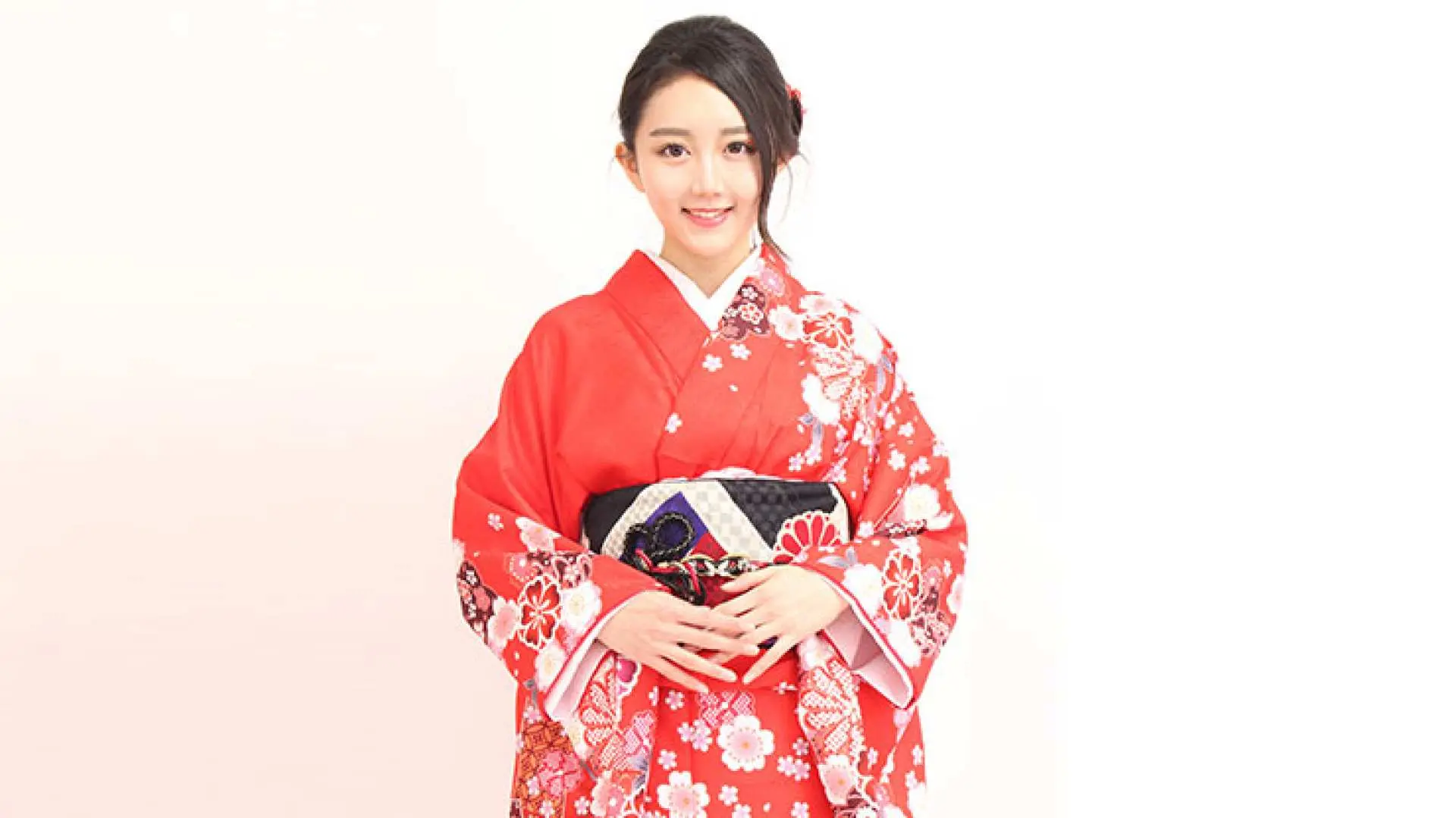
- Ordinary furisode kimono (ladies)|A type of kimono loved by ladies, characterized by long sleeves and various patterns and colors, showcasing class and elegance
* All sets include a shirt, kimono, full-width obi, obi tie, bag, sandals, socks, and scarf (available only from December to March). The package includes simple hairstyling; design hair setting requires an add-on purchase
- Gold thread furisode kimono (ladies)|Silk material with a hot stamping process and patterns with different meanings. High repeat rate. (Note: Rental price in-store is JPY15,800. For a customized high-end furisode, the difference needs to be topped up)
- Women's homongi (ladies)|Featuring an "eba" pattern that extends across the entire length of the garment, perfect for formal occasions, classy and elegant
- Women's Kurotomesode kimono (ladies)|Black in color with skirt and cuffs embroidered with patterns, the obi is often inlaid with gold or silver threads, resulting in an overall slimming and elegant appearance
* All sets include a shirt, kimono, full-width obi, obi tie, bag, sandals, socks, and scarf (available only from December to March). The package includes simple hairstyling; design hair setting requires an add-on purchase
* The store also offers higher-end furisode for women. If you prefer a higher-end style when in the store, you may top up the difference for an upgrade
[Men's Kimono Rental]
- Men's ordinary kimono|Dignified and comfortable to wear, available in sizes suitable for heights ranging from 155 cm to 200 cm
- Men's premium hakama and kimono|The difference between this and the ordinary set is that the hakama and kimono are more high-end, resulting in a classier appearance when worn
- Men's hakama and kimono with family crest | A traditional men's kimono dress style featuring clan emblems. Worn by Japanese men on important occasions, this attire is both gorgeous and premium, making it photogenic
* All sets include a shirt, kimono, obi, obi tie, sandals, socks, and haori (outerwear), available from December to March
[Children's Kimono Rental]
- Children's kimono (girl/boy) suitable for children between 80 cm and 145 cm in height
* Includes a shirt, kimono, obi, bag, sandals, and socks (available year-round/during a specified period)
[Summer Exclusive Yukata Rental]
- Women's yukata Type A (ladies)|Type A features bright floral patterns and is made of comfortable material. Wear it for a day of fun in the hot summer, feeling cool and beautiful
- Women's yukata Type B (ladies)|Made of silk and plant fiber materials, this style is novel and often referred to as the "furisode of yukata", giving the wearer an elegant fairy-like appearance
- Men's yukata|Refreshing and comfortable, the best choice for men in the summer
- Children's yukata (girl/boy)|Designed for children between 80 cm and 145 cm in height, these yukata are cooling and comfortable, featuring bright patterns
* All sets include a yukata, obi, obi tie, bag, sandals - available from June 1st to September 30th. The package includes simple hairstyling; design hair setting requires an add-on purchase
[Outfit coordination service] (Available only to those who rent the packages above)
- Design hair style: There are about a dozen styles available in the store. You can choose a hairstyle upon arrival, and the staff will help arrange your hair according to the chosen style
Women's furisode kimono (the choice of 90% of women, suitable for various occasions, characterized by its long sleeves, worth trying)

Summer-exclusive yukata rental (Wear a yukata all day long in the hot summer – cool, comfortable, and beautiful!)


Women's gold-embroidered furisode kimono (more luxurious, made of high-quality fabric with exquisite tailoring, beautiful pattern design, sophisticated color matching, elegant and noble)


Women's visiting attire kimono (characterized by a genuine "ewa" pattern running across the entire hem, making it very suitable for formal occasions, elegant and sophisticated).


Women's exquisite classic kimono (a trendy classic kimono, simple and elegant, showcasing personal temperament and creating a unique style)


Women's Western-style Taisho Lace Kimono (This popular Japanese Western-style kimono combines modern and Western retro elements to create a new Taisho style, and is currently a very popular design.)


Women's elegant two-foot sleeve kimono (vibrant colors, exquisite materials, also known as small furisode).


Women's Classic Small Pattern Kimono (Basic Japanese Kimono Style, Classic/Elegant/Simple)


Men's standard kimono (men's style is elegant and comfortable to wear, available for heights between 155cm and 200cm)


Premium men's hakama kimono (men's kimono + hakama, exquisite fabric)


Important Info
Surcharge(s)
Hair design
The kimono includes a simple hairstyle. If you require a custom hairstyle, please purchase it separately. The difference is that the custom hairstyle will include a perm, and there are dozens of styles to choose from.
make up
Cosmetics and dressing tables in the store are available for free use. If you require professional makeup services, please purchase them in-store. It is recommended that you bring your own makeup. (Whether makeup services can be purchased on-site depends on the number of customers in the store that day and the schedule of the makeup artists. There is a possibility that makeup services cannot be purchased on-site.)
Return the next day
The kimono will be returned to each person the following day for 1,100 yen, and a deposit of 10,000 yen is required, which will be refunded when the kimono is returned.
Luggage transfer fees for cross-store returns (only applicable to cross-store returns and transfers within the same city)
If you take your own clothes with you, there is no need for a transfer fee. If you want to store your clothes at the store and need the staff to help you transfer them to the store where you need to return them, you need to discuss the transfer time with the staff and pay a transfer fee of 1,100 yen per person. Please discuss with the staff whether they can help with the transfer. The store's statement shall prevail.
Reminders
Travelers with the following conditions or other health issues that could be worsened by excessive stimulation should not participate in this activity: Pregnant women
Please arrive at the designated location 10 minute(s) before the scheduled departure time, as the tour will depart on time
The earliest appointment time at the shop is 9:00 AM, and the return time is before 6:00 PM. Please be sure to return the kimono before closing time. To avoid crowds, we recommend preparing in advance. Late returns will incur a late fee.
If you rent from the same store, you can store your luggage for free. If you need to return your luggage to another store, please confirm with the staff on-site. When returning your luggage to another store, you must take your own clothes and belongings with you. Store staff are not responsible for transportation.
The latest time to put on your kimono at the store is 3:00 PM. Please be sure to arrive before this time.
Customers with appointments will be given priority. Please be sure to arrive at the store on time as agreed. If you are late for your own reasons, you will need to wait in line again. Please be aware of this.
A dressing table and cosmetics are provided free of charge. If you require makeup application by the staff, please purchase the makeup service separately.
The service time at the kimono shop is 1-2 hours (including choosing clothes, putting on kimono, and doing hair), depending on the number of people making a reservation. Please plan your trip accordingly.
Pregnant women are prohibited from trying on kimonos. We regret that we cannot accommodate pregnant women for kimono trials. Please check this beforehand. Any consequences or losses arising from failure to disclose pregnancy beforehand will be borne by the pregnant woman herself. Please be aware.
By default, our store uses your image rights for promotional purposes. If you mind, please inform customer service in advance.
Please be aware that there may be waiting times during peak seasons (cherry blossom season, autumn leaf season, etc.).
How to Redeem Your Voucher
How to Use Your Voucher
- Please present the e-voucher on-site
Validity Period
- The voucher must be used on the selected date and within operating hours; Invalid after expiration
Experience Location
Location Name: レンタル first Fushimi Inari store
Address: 〒612-0881 65-1 Fukakusa Inari Gozenmachi, Fushimi-ku, Kyoto City

FAQ
Kiyomizudera Temple is renowned for its iconic wooden stage, which extends over the hillside and offers breathtaking views without a single nail in its construction. Its historical significance lies in its founding in 780 AD, associated with the Kannon Bodhisattva. Visitors in kimono often appreciate the elegant backdrop of the Main Hall and the vibrant autumn foliage or cherry blossoms, creating picturesque scenes that blend traditional attire with ancient architecture. The Otowa Waterfall, believed to grant wishes, also adds to its cultural appeal.
Fushimi Inari Shrine, established in 711 AD, is the head shrine of Inari, the Shinto god of rice and sake, and patron of business. Its cultural importance stems from its role in praying for bountiful harvests and prosperity. For visitors in traditional kimono, the shrine offers a profound experience of Japanese spirituality and culture. Walking through its sacred grounds in traditional attire connects one deeply with the ancient rituals and beliefs, enhancing the immersive cultural journey.
The magnificent main hall and its veranda at Kiyomizudera Temple were constructed using a traditional Japanese architectural method called kakezukuri. This intricate technique involves assembling massive wooden pillars and crossbeams without using any nails. Instead, the structure relies on precise joinery, interlocking wooden components to support the entire edifice. This engineering marvel showcases ancient Japanese craftsmanship and represents a harmonious integration with nature, allowing the temple to stand resiliently on the steep hillside for centuries.
The Thousand Torii Gates at Fushimi Inari Shrine are vibrant vermillion gates that line paths leading up Mount Inari. Each gate is an offering by individuals or businesses expressing gratitude or making a wish, symbolizing prosperity and good fortune. Visually, walking through these densely packed, brightly colored tunnels creates an immersive, almost tunnel-like experience. The interplay of light and shadow, with the engraved names of donors, offers a unique and memorable aesthetic, making it a powerful visual representation of faith and devotion.
For stunning kimono photography at Fushimi Inari Shrine, the most iconic spots are within the senbon torii (thousand torii gates) where the gates are densely packed, creating a vibrant orange tunnel. Aim for areas slightly beyond the main entrance where the crowd thins for more serene shots. The quieter paths branching off the main route also offer beautiful natural backdrops. Additionally, capturing the panoramic views of Kyoto from higher points on the mountain while in kimono provides a memorable contrast of traditional attire against a modern cityscape.
Kiyomizudera Temple offers exceptional panoramic views from its main stage, overlooking the lush Kyoto cityscape, especially stunning during cherry blossom season or autumn foliage. For scenic photos in kimono, position yourself on the wooden veranda with the city or the surrounding nature as your backdrop. The iconic triple-tiered Koyasu Pagoda, nestled amidst the trees, also provides a picturesque element. Explore the paths around the main hall and the serene pond gardens for diverse angles that highlight both your traditional attire and the temple's natural beauty.
Opting for a kimono rental shop with easy access near Fushimi Inari Shrine offers significant advantages for exploring Kyoto. Its proximity means you can immediately immerse yourself in the vibrant atmosphere of the shrine and surrounding areas like Kiyomizudera or Gion without long commutes in traditional attire. Easy subway access ensures convenient travel to other major attractions, maximizing your sightseeing time and minimizing travel fatigue. This strategic location allows for a seamless and enjoyable cultural experience throughout your day in Kyoto.
Shops near Fushimi Inari Shrine typically offer a wide array of kimono and yukata styles to suit various preferences and seasons. You can find traditional, elegant patterns for a classic look, or more modern, vibrant designs for a contemporary flair. Coordination options usually include choice of obi (sash), geta (wooden sandals), zori (formal sandals), and various accessories like bags and hair ornaments. Many shops also provide complimentary in-store cosmetics and offer new styles regularly, allowing for a personalized and stylish traditional Japanese ensemble.
Get Help


