



Seoul City Tour - Gyeongbokgung Palace, N Seoul Tower, Insadong - South Korea
- Discover the rich tapestry of Korea's history as you explore its majestic palaces and cultural landmarks.
- Embark on an enchanting journey through Seoul's iconic Gyeongbokgung Palace, where centuries-old traditions come to life.
- Join us for an unforgettable experience and witness the timeless beauty of Seoul's historic treasures!
- Tourist Attraction: Gyeongbokgung Palace, N Seoul Tower, Insadong.
Package Options


Sightseeing Tours
| Transportation method | Hotel transfer |
| Tour types | Guided tour |
| Meal arrangement | Arrange yourself |
| Sightseeing type | City walking tour, Historic site tour |
| Transport | Charter car, Walking |
Product Info
🏷 Option 1 - Seoul City Half Day Tour (09:00-12:30)
- Itinerary: Pick up from Hotel in Downtown - Jogyesa Buddhist Temple - Changing of the Guard Ceremony - Gyeongbok Palace - Cheongwadae Sarangchae - Ginseng Center - Drop off at Myeongdong or City Hall area.
🏷 Option 2 - Seoul City Full Day Tour (09:00-17:00)
- Itinerary: Pick up from Hotel in Downtown - Jogyesa Buddhist Temple - Changing of the Guard Ceremony - Gyeongbok Palace - Cheongwadae Sarangchae - Ginseng Center - Free time for lunch - Insadong Arts and Crafts Market - N Seoul Tower (including round trip cable car) - Namdaemun Market - Drop off at Myeongdong or City Hall area.
🛎 What to Expect
The Seoul City tour is perfect for those who have an appetite for history and love to follow in the footsteps of the kings and queens from the Joseon Dynasty. One of our most popular Tours in Seoul, our itinerary takes you through the key areas of the city that have a cultural significance.
Are you looking to dive into Korea’s history and culture? Then our Gyeongbok Palace tour is the perfect choice for you! Don’t miss the chance to follow in the footsteps of royal history, see the President’s home, and witness an iconic ceremony!


Purchase Notice
- The tour will offer Changdeok Palace - Bukchon Hanok Village every Tuesday.
- (Gyeongbok Palace, Cheongwadae Sarangchae closed every Tuesday.)
- The tour schedule can be changed depending on the situation (weather problem) and refunds are not available.
- We will provide the pickup location information for the gathering place and for groups of fewer than 5 people after the reservation.
Reminders
Please arrive at the designated location 10 minute(s) before the scheduled departure time, as the tour will depart on time
The tour will offer Changdeok Palace - Bukchon Hanok Village every Tuesday. (Gyeongbok Palace, Cheongwadae Sarangchae closed every Tuesday.)
The tour schedule can be changed depending on the situation (weather problem) and refunds are not available.
We will provide the pickup location information for the gathering place and for groups of fewer than 5 people after the reservation.
Cancellation Policy
- Cancellations 2 day(s) (inclusive) before the selected date are allowed. Unused orders can be canceled for free
- Cancellation is not allowed between 0–1 days from the selected date. Orders cannot be canceled or modified, and refunds will not be granted.
- Due to time zone differences, the confirmed cancellation date is based on the supplier’s local time. Please allow 2–5 business days to process your cancellation request, after which the cancellation fee will be charged according to the product’s cancellation policy. Once the cancellation is confirmed, you will receive your refund within 14 working days.
FAQ
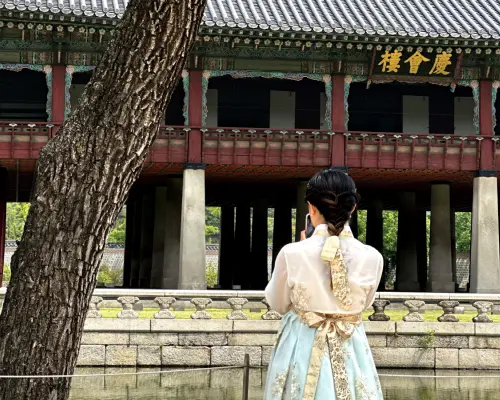
Gyeongbokgung Palace is the largest and most iconic royal palace of the Joseon Dynasty, constructed in 1395. It served as the main palace and administrative center, embodying the grandeur and architectural prowess of its era. Key features include the majestic Geunjeongjeon Hall, where major state affairs were conducted, and the beautiful Gyeonghoeru Pavilion, a royal banquet hall set upon a pond.
Gyeongbokgung Palace requires an admission fee for most visitors. However, certain groups may be eligible for free entry, such as those wearing traditional hanbok. The palace is typically closed on Tuesdays. Visitors can purchase tickets at the entrance or inquire about specific exemptions upon arrival. It is advisable to check the official operating hours before your visit.
The Royal Guard Changing Ceremony at Gyeongbokgung Palace is a captivating historical reenactment held daily, except Tuesdays. It typically takes place at 10:00 AM and 2:00 PM, lasting approximately 20 minutes. This ceremony showcases the traditional costumes, weapons, and intricate movements of the royal guards from the Joseon Dynasty, offering a glimpse into Korea's rich heritage.
Gyeongbokgung Palace stands as the largest and most grand of the Five Grand Palaces built during the Joseon Dynasty in Seoul. Its vast grounds encompass numerous buildings, courtyards, and gardens, serving as the primary royal residence and government hub. This extensive scale highlights its paramount importance and central role in Korean history compared to other palaces.
Seoul boasts an excellent public transportation system. For Gyeongbokgung Palace, the most convenient method is the subway, with Gyeongbokgung Station (Line 3, Exit 5) offering direct access. The city's extensive subway and bus networks connect most major attractions efficiently. Taxis and ride-sharing apps are also readily available for convenient point-to-point travel.
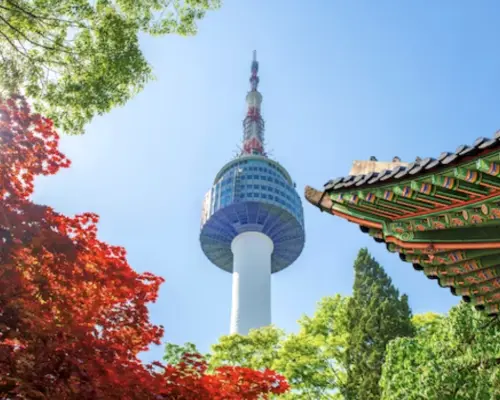
To reach N Seoul Tower, you can take the Namsan Cable Car from near Myeongdong Station (Subway Line 4). Another option is the Namsan Oreumi elevator, which takes you to the cable car station. Alternatively, local Namsan circulating buses (routes 01, 02, 03, 04, 05) run from various subway stations directly to the tower's base.
In Seoul, while Uber operates, it is not as widely used as the local ride-hailing app, Kakao T Taxi. Grab is generally not a prominent service in South Korea. Taxis are abundant and can be hailed on the street or booked through the Kakao T app, offering a convenient way to travel between Insadong and other parts of the city.
Insadong is a vibrant cultural district renowned for its traditional Korean charm. Visitors can explore numerous antique shops, art galleries, and traditional teahouses. The main street is perfect for browsing unique souvenirs, handmade crafts, and enjoying street food. Ssamziegil, a spiral-shaped shopping complex, offers a modern twist on traditional goods and often hosts cultural performances.
Get Help


