


Hanoi Deluxe City Tour With Vietnamese Traditional Hairwash Experience | Explore Hanoi With Multiple Languages Tour Guide
- Visit top destinations not to miss when traveling to Hanoi
- Discover the unique features and vibe of the capital city through architecture, history, food, etc.
- Experience herbal hair wash and head massage to get relieved after a long day of exploration
Package Options


Product Info
Purchase Notice
- In case of an increasing entrance fee after the tour booking, please pay the extra amount for those.
- Available option of vegetarian food
- Any unused service in the tour will not be refunded if customers do not inform in advance when booking the tour. Please note any special inquiries in the "Note" section when booking.
- The tour guide can rearrange the tour program to suit reality but the content of the tour will be not changed.
Reminders
Guests should wear sport shoes for walking
Guests must wear long clothes, long trousers when visiting the Mausoleum, pagodas, temples
Food may be changed during Tet festival. Tour guides or tour operators will contact customers before the trip to notify any changes.
Should bring flu medicine, diarhea medicine…
Customers preserve their own properties, air ticket and other valuable things during the trip.
FAQ
1. What unique experiences can visitors expect from exploring Hanoi's highlights with a guided city tour?
A guided tour offers immersive insights into Hanoi's rich history, vibrant culture, and unique architecture. You can expect to visit iconic landmarks, discover hidden gems, and learn about local traditions from an expert guide. A highlight is often the Traditional Vietnamese Hairwash Experience, providing relaxation after exploration, and the opportunity to savor local cuisine and understand the city's dynamic atmosphere.
2. What does the Vietnamese Traditional Hairwash Experience offered on the Hanoi City Tour typically involve?
The Vietnamese Traditional Hairwash Experience is a unique blend of relaxation and cultural immersion. It usually involves a head, neck, and shoulder massage, followed by a hair wash using natural herbal ingredients like lemongrass, ginger, and pomelo peel. This rejuvenating treatment helps soothe the scalp, improve circulation, and offers a refreshing end to a day of sightseeing.
3. What language options are available for the tour guide while discovering Hanoi's attractions?
To ensure a comprehensive understanding for international visitors, guided tours exploring Hanoi's attractions typically offer multiple language options for the tour guide. Common languages often include English, with possibilities for other major languages depending on availability and prior arrangement. This allows guests to engage deeply with the city's history and culture.
4. Is Train Street included as a stop in a Hanoi city tour, and what can visitors see there?
While specific itineraries vary, some Hanoi city tours may pass by or offer a glimpse of Train Street, known for its active railway line running through a narrow residential area. Visitors can witness local life unfolding remarkably close to the tracks. Due to safety concerns and recent regulations, direct access may be restricted, so checking the tour's precise itinerary for details is advisable.
5. How is transportation provided between destinations during a Hanoi city exploration?
For a comfortable and efficient Hanoi city exploration, transportation between destinations is typically provided by air-conditioned vehicles. This ensures convenience and reduces travel time, allowing visitors to maximize their sightseeing at each attraction. The specific type of vehicle may vary based on group size, offering a hassle-free way to navigate the city.
6. What are the most favorable seasons to experience Hanoi's historical sites and culture?
The most favorable seasons to experience Hanoi's historical sites and culture are usually autumn (September to November) and spring (March to April). During these months, the weather is pleasantly mild with lower humidity, making it ideal for walking tours and outdoor exploration of attractions. Winter (December to February) can also be a good option with cooler temperatures.
7. Which key attractions are typically visited on a comprehensive Hanoi city tour itinerary?
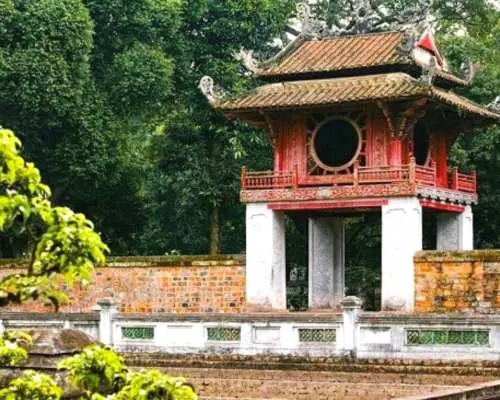
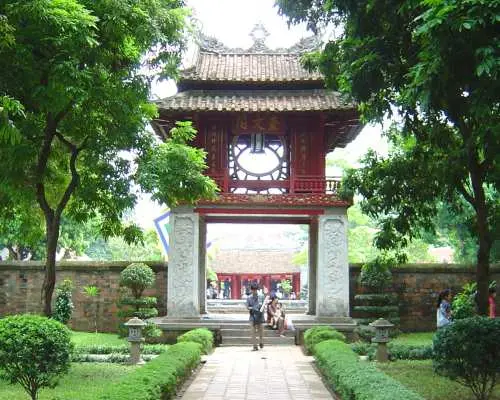
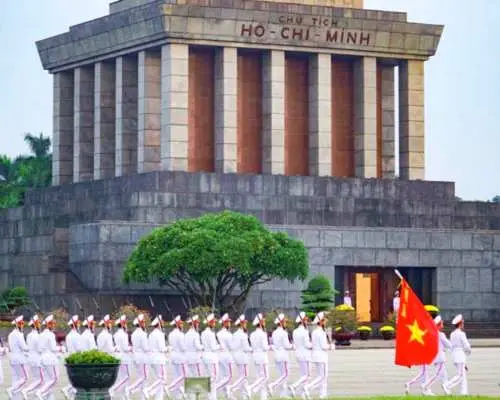
A comprehensive Hanoi city tour itinerary often includes key attractions that highlight the city's heritage and landmarks. Common stops may feature the Hoan Kiem Lake and Ngoc Son Temple, the historic Old Quarter, the Temple of Literature (Vietnam's first national university), and significant political sites like the Ho Chi Minh Mausoleum complex (exterior view).
8. What opportunities are there to experience local food and culture during a Hanoi sightseeing tour?
Hanoi sightseeing tours often provide excellent opportunities to experience local food and culture beyond just visiting landmarks. Guides share insights into daily life, allowing for cultural immersion. While dedicated food tours focus solely on cuisine, city tours may include opportunities to sample street food, explore local markets, or discover traditional craft shops, enhancing your cultural understanding.


