
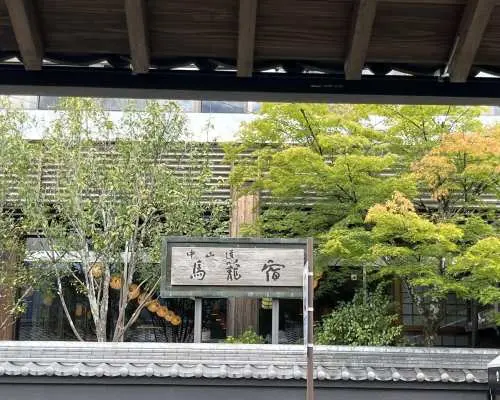
Gifu Inuyama Castle, Ena Gorge Observatory, Magome-juku & Tsumago-juku Day Tour | Depart from Nagoya
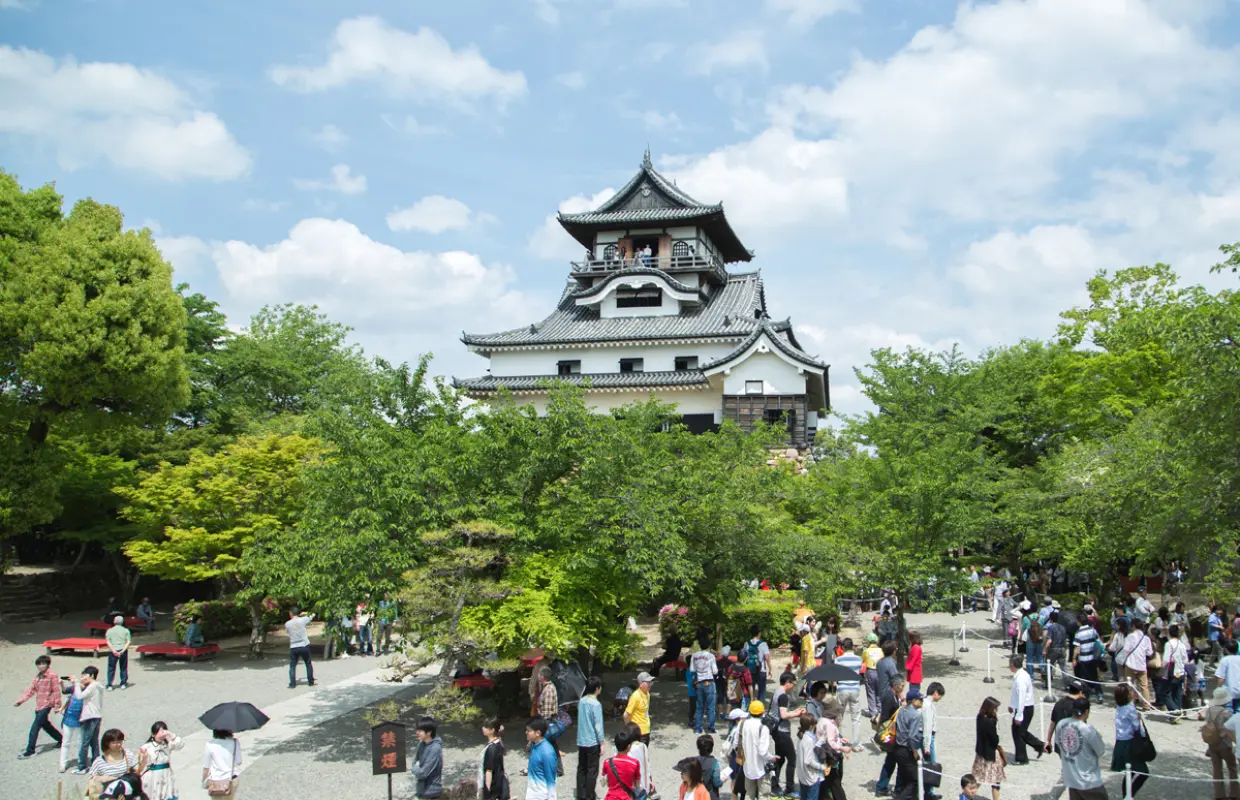
- Inuyama Castle is one of only five castles designated as a National Treasure and is one of the oldest castles in Japan that remains in its original state.
- Natural Cliff Observatory - Ena Gorge Observatory
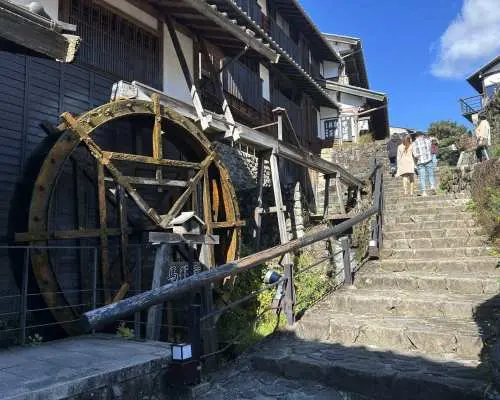
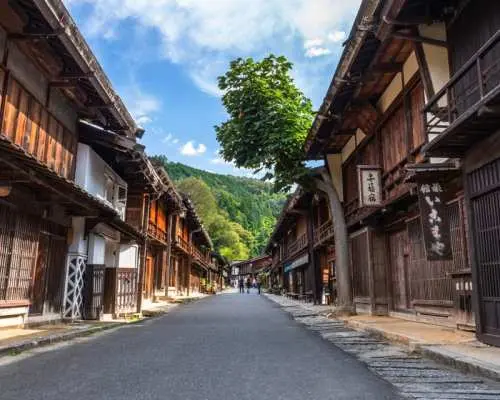
- Stroll through Magome-juku, which preserves the original Edo-period stone-paved paths, and feel the atmosphere of the Nakasendo post town era.
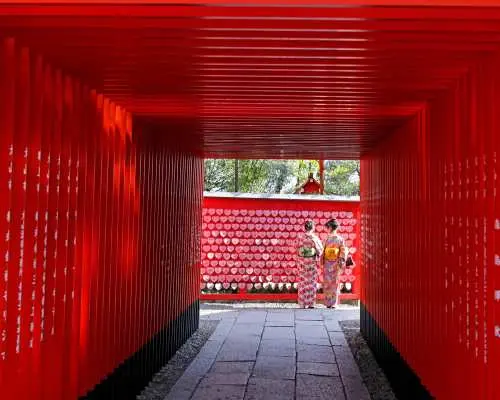
- Inuyama Naritasan Park is open all year round, with maple leaves and flowers changing with the seasons, each offering a unique charm.
Package Options


Product Info
Departing from downtown Nagoya, this tour takes you on a relaxing visit to the National Treasure 'Inuyama Castle', the magnificent 'Ena Gorge', and the well-preserved Edo-style post towns of Magome-juku and Tsumago-juku, capturing the most representative cultural and natural attractions of central Japan in one go.
No need to worry about transportation transfers; enjoy direct private transport to each attraction, combined with ample time for sightseeing and free exploration, allowing you to tour with ease while having plenty of space for photos and discovery. Whether you are visiting Nagoya for the first time or are a traveler who loves historical streets and natural scenery, this tour is highly recommended.
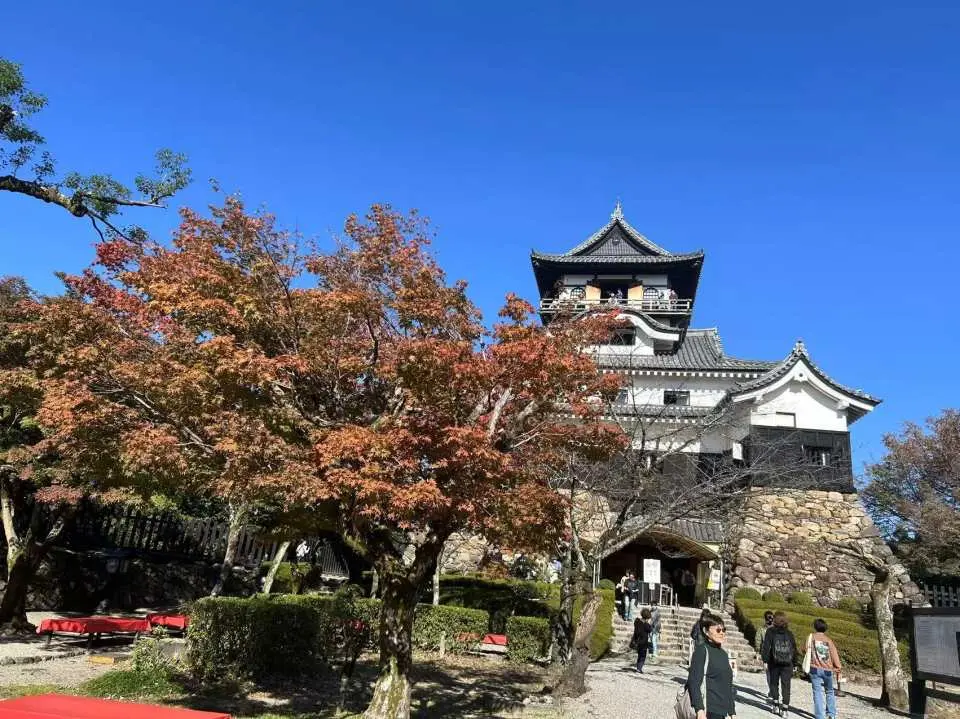
Inuyama Castle, built during the Muromachi period, sits atop a small hill beside the Kiso River. Also known as Baidi Castle, its name evokes the poem "Departing from Baidi City at Dawn" by Li Bai. Inuyama Castle's keep is one of Japan's twelve ancient castle keeps, and its style is considered quite old. Along with Himeji Castle, Matsumoto Castle, and Hikone Castle, it is considered one of Japan's "Four National Treasure Castles." The castle has three exterior floors, four interior floors, and even two underground floors—a rarity among Japanese castle keeps. These underground floors are open to the public, allowing visitors to observe the castle's various architectural structures. On the fourth floor, visitors can also access an outdoor corridor for scenic views.
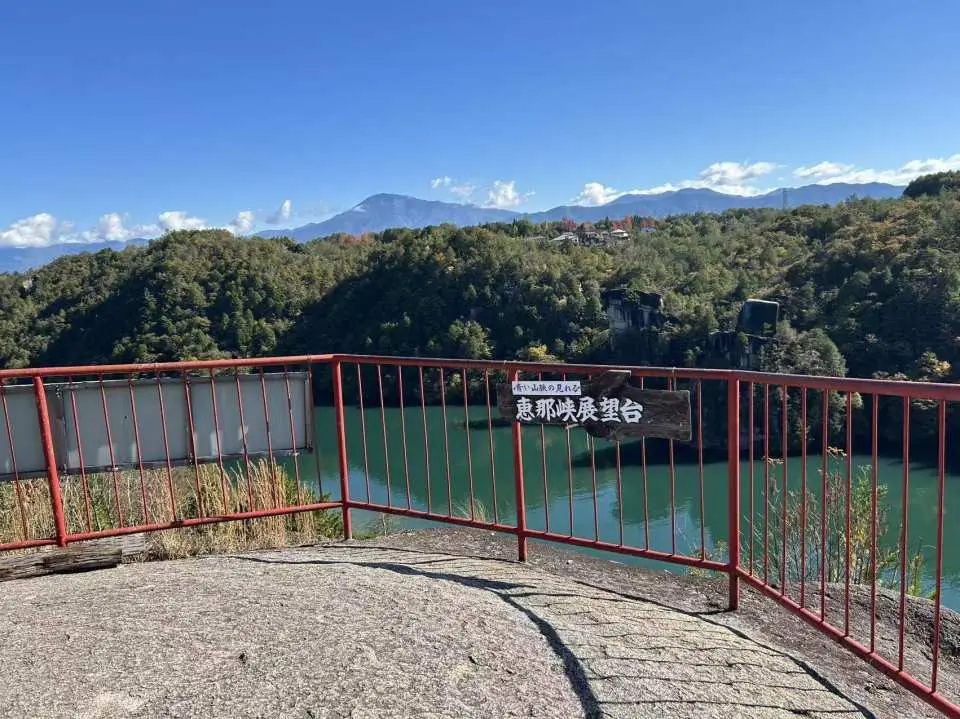
The Ena Gorge Observatory is located in eastern Gifu. Ena Gorge is characterized by its precipitous cliffs and bizarre rock formations sculpted by natural erosion, stretching from the artificial lake created by the Ōi Dam dam blocking the Kiso River to the Nakatsu River upstream. The Umbrella Rock, a national natural protected site, and the Red Rock covered in brownish-red moss, are representative examples of the gorge's unique rock formations. Ena Gorge is beautiful year-round, with cherry blossoms, azaleas, and autumn leaves enhanced by the towering rocks, attracting a constant stream of visitors.
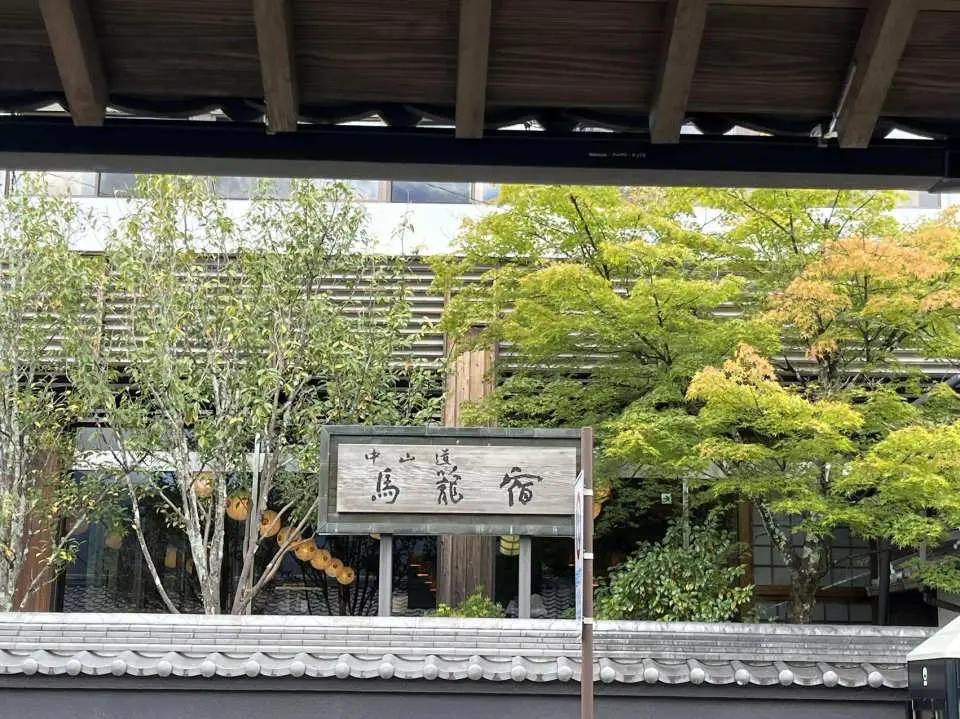
Magome-juku was the 43rd of 69 campsites built along the Nakasendo Road during the Edo period, located approximately 332 kilometers from Nihonbashi, the starting point of the Nakasendo Road in Edo. Built of stone along the steep mountain road, the campsite featured rows of main camps, side camps, post stations, and small restaurants in the center. After Tokugawa Ieyasu unified Japan, he began road construction, building five roads from Edo (Tokyo). The 540-kilometer-long Nakasendo Road became a vital route for merchants, and Tsumago-juku and Magome-juku, situated at its midpoint, contributed to the prosperity of these two small towns. Magome-juku Street is still paved with the original stone slabs, and the wooden houses on both sides house various shops. There are teahouses, izakayas, art shops and inns full of old-fashioned charm. Each shop has colorful flowers planted in front of it, and some still retain the wells and waterwheels used in the past, which adds to the old-fashioned atmosphere. Strolling along the nostalgic street, you may occasionally see an old woman wearing a traditional kimono, which makes you feel as if you have entered a time tunnel and returned to the Tokugawa Ieyasu era in the 17th century.
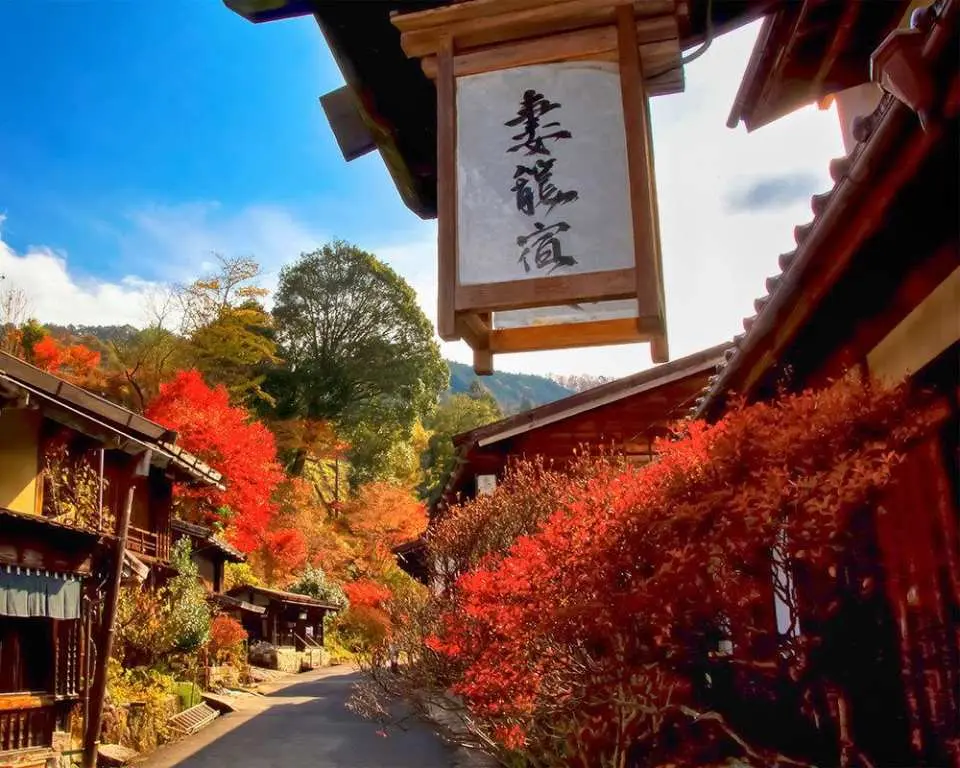
Tsumago-juku, named so because it was once a place where mountain brides would wait for their grooms to arrive, is a charming little place, more rustic and tranquil than Magome-juku. It's also a listed traditional architectural preservation area in Japan. The post road between Magome-juku and Tsumago-juku has become a popular hiking destination and has been awarded one star in the Michelin Green Guide.
Purchase Notice
[Tourism Conditions]
Travel departure point and destination: Aichi and Gifu
Trip duration: Day trip
Transportation: Chartered bus
Bus company name: AMA Transportation, etc.
Meals: Breakfast 0 times, Lunch 0 times, Dinner 0 times
Accommodation facilities: None
Minimum group size: 4 (If there are fewer than 15 people, the driver will also be the tour leader; if there are more than 15 people, an additional tour leader will be assigned).
Driver/Tour Leader: 1
Tour guide: 0
【Travel Planning/Implementation】
Operating Company Name: KKT Corporation
Address: No. 1770-23, Kashiwai-cho 1-chome, Kawa City, Chiba Prefecture
Travel Industry Registration: Chiba Prefecture Governor's Registration No. 2-1131
Reminders
A minimum of 4 traveler(s) are required for the tour to depart. If the number of participants does not reach the minimum requirement, the tour will be canceled. An email regarding tour cancellation will be sent 4 day(s) before the departure date
In case of delays caused by traffic, weather, or other force majeure factors resulting in the cancellation of some itinerary attractions, please contact customer service. We will arrange a partial refund for you
In the event of inclement weather such as typhoons or snowstorms, a decision on whether to cancel the tour will be made 1 day(s) before departure (local time 18:00). Notifications will then be sent via email
Travelers with the following conditions or other health issues that could be worsened by excessive stimulation should not participate in this activity: Heart disease, Acrophobia, Asthma, Epilepsy, Pregnant women
Please arrive at the designated location 15 minute(s) before the scheduled departure time, as the tour will depart on time
Inuyama Castle will be closed from December 29th to December 31st, so we will go to Kokeiyama Eihoji Temple instead.
Small group tours are for 1-13 people; large bus tours are for 14-45 people. Actual numbers will be adjusted based on the number of participants on the day. For groups of 14 or fewer, the driver will also act as the tour leader (Chinese language/basic English speaking). For groups of 14-45, an additional tour leader (Chinese language/basic English speaking) will be added. Reference vehicle types: 5-8 seater: Toyota Alphard or equivalent; 9-14 seater: Toyota Hatch or equivalent; 18-22 seater: minivan; 22 seater or more: bus. The above vehicle information is for reference only; the actual vehicle type will be adjusted based on the number of participants on the day of the trip.
Children aged 0-3 years old can stay for free if they do not occupy a seat. If they do occupy a seat, they will be charged the same price as adults. Children aged 3 years and older will be charged the same price as adults.
Each passenger may bring one light handbag. For suitcases or larger luggage, a luggage package is required at 2000 yen per piece. Please contact customer service in advance to confirm or include this in your order notes.
The tour times and arrival times for each attraction may vary depending on the weather and traffic conditions on the day (may be changed, shortened, or compressed). We apologize for any inconvenience this may cause.
Please carry your passport and valuables with you at all times during your trip and keep them safe. You will be solely responsible for any loss, theft, or damage.
Arrival times for each trip may vary depending on traffic conditions, weather, festivals, crowds, etc. Please understand that delays or cancellations due to the above or other unforeseen circumstances will not be refunded.
There are two ice lantern festivals in February each year, namely the Tsumago-juku Ice Lantern Festival and the Magome-juku Ice Lantern Festival. The temperature difference between day and night is large, so it is recommended to bring a warm jacket, gloves, non-slip shoes, and a flashlight.
Please be sure to comply with local Japanese laws and regulations, and do not bring any items prohibited by Japanese law, so as to avoid violating the law and affecting your own rights.
FAQ
1. How can I purchase tickets for Inuyama Castle?
For the Inuyama Castle visit included in this day tour, your admission is typically covered as part of the package. Should you wish to visit Inuyama Castle independently, you can generally purchase tickets directly at the castle entrance. Booking this comprehensive day tour through KKday offers the convenience of having all your major attraction admissions, including Inuyama Castle, seamlessly arranged in advance, providing a worry-free travel experience.
2. What makes Inuyama Castle a significant historical site to visit?
Inuyama Castle is highly significant because it is one of only five castles in Japan designated as a National Treasure. It is also distinguished as one of Japan's oldest original castles that has retained its authentic structure since its construction. Visitors can explore its well-preserved interiors, climb the steep stairs to the top floor, and enjoy panoramic views of the Kiso River and surrounding landscape, offering a unique glimpse into Japan's feudal past.
3. What can visitors experience at the Ena Gorge Observatory?
At the Ena Gorge Observatory, visitors can enjoy breathtaking panoramic views of the magnificent Ena Gorge, characterized by its dramatic natural cliffs. This natural cliff observatory offers unique vantage points to appreciate the geological formations and the serene beauty of the Kiso River flowing below. It's an ideal spot for photography and to immerse oneself in the stunning natural scenery of Gifu Prefecture.
4. How much time should be allocated to explore Magome-juku, and what are its highlights?
Visitors typically spend about 1 to 2 hours exploring Magome-juku. This allows ample time to stroll along its beautifully preserved Edo-period stone-slab streets, which are a major highlight. You can browse traditional shops, historical buildings, and charming cafes, immersing yourself in the atmosphere of an ancient post town along the Nakasendo trail. Key highlights include the watermills, old merchant houses, and the picturesque views of the surrounding mountains.
5. What are the typical weather conditions in Magome-juku, especially regarding snow?
Magome-juku experiences all four seasons, with distinct weather patterns. Winters, typically from December to March, can bring snowfall, creating a picturesque, traditional Japanese village scene. While snow enhances the beauty, it's advisable to check local forecasts and wear appropriate warm clothing and non-slip footwear. Summers are generally warm and humid, while spring and autumn offer mild temperatures with beautiful cherry blossoms and vibrant autumn foliage, respectively.
6. Are there any specific safety considerations for visitors exploring Magome-juku and Tsumago-juku?
When exploring Magome-juku and Tsumago-juku, visitors should be mindful of the uneven stone-slab paths, especially during wet or snowy conditions, and wear comfortable walking shoes. As these are historical post towns nestled in mountainous regions, it's always wise to stay on marked trails and be generally aware of your surroundings, though specific wildlife encounters are rare. Always carry water and be prepared for varying weather, as conditions can change in mountainous areas.
7. What historical significance do Magome-juku and Tsumago-juku hold?
Magome-juku and Tsumago-juku are historically significant as beautifully preserved post towns along the ancient Nakasendo trail, which connected Kyoto and Edo (modern-day Tokyo) during the Edo period. These towns served as vital resting points for travelers, including samurai, merchants, and pilgrims. They offer an authentic glimpse into Edo-era life, with their traditional wooden buildings, stone-paved streets, and water systems, transporting visitors back in time to Japan's feudal past.
8. What specific attractions can be found within the Inuyama Naritasan Daikōen?
Inuyama Naritasan Daikōen is a vast park known for its seasonal beauty and spiritual ambiance, located near Inuyama Castle. Throughout the year, visitors can enjoy diverse flora, with cherry blossoms in spring, lush greenery in summer, and vibrant autumn foliage from maple trees. The park also hosts various garden styles and walking paths, providing a serene environment for relaxation and appreciation of nature's changing colors.


