



Recommended Kinmen Sightseeing Tour: Kinmen | Encountering the Secret Ecological World of Horseshoe Crabs | Jiangong Island, Kinmen Fisheries Research Institute, Golden Gate Bridge, and Cihu Sunset
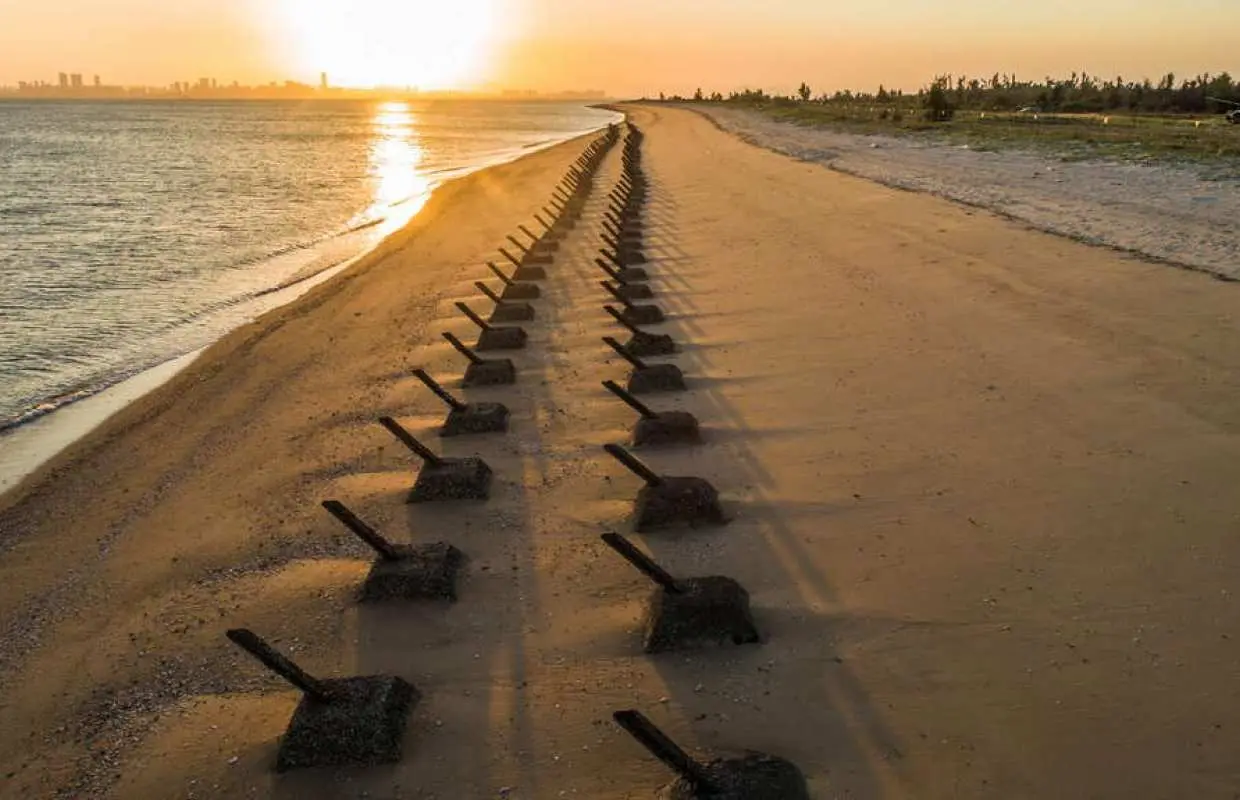
- Easily reach Kinmen's famous landmark, Jiangong Island, the Kinmen version of "Moses Parting the Sea"
- Led by a professional driver and tour guide, you can easily explore the beautiful scenery of Jincheng Mountain, Sea and historical sites
- Hotel and B&B transfers
Package Options


Sightseeing Tours
| Tour Type | Shared tour |
| Transportation method | Transfer from meeting point, Hotel transfer |
| Minimum participant requirement | 4 travelers |
Product Info
Important Info
Reminders
A minimum of 4 traveler(s) are required for the tour to depart. If the number of participants does not reach the minimum requirement, the tour will be canceled. An email regarding tour cancellation will be sent 1 day(s) before the departure date
If the activities or tickets included in this itinerary are "add-on gifts", no refund will be given if you give them up.
The itinerary may be adjusted by the tour leader based on factors such as the number of participants, festivals, or weather conditions. The company will not make any further announcements.
Please give the service staff a tip of NT$150 per person per day as an encouragement. If there are any shortcomings in the service, you are welcome to call us to let us know.
Cancellation Policy
- Cancellations 4 day(s) (inclusive) before the selected date are allowed. Unused orders can be canceled for free
- For cancellations made 1 to 3 days prior to selected date, a cancellation fee of 50% will apply
- Cancellation is not allowed between 0–0 days from the selected date. Orders cannot be canceled or modified, and refunds will not be granted.
- Due to time zone differences, the confirmed cancellation date is based on the supplier’s local time. Please allow 2–5 business days to process your cancellation request, after which the cancellation fee will be charged according to the product’s cancellation policy. Once your refund request is confirmed, KKday will initiate the refund to your original payment method within 15 days. The actual refund timing depends on your card-issuing bank’s policy.
FAQ
1. What are the safety guidelines for interacting with horseshoe crabs during an ecological tour?
During an ecological tour in Kinmen, it is crucial to observe horseshoe crabs from a respectful distance to avoid disturbing them. Direct interaction, such as handling, should only be done under the strict guidance and supervision of a professional ecological tour guide. This ensures both your safety and the well-being of these ancient creatures in their natural habitat.
2. Where are the best locations on Kinmen's coast to observe horseshoe crabs in their natural habitat?
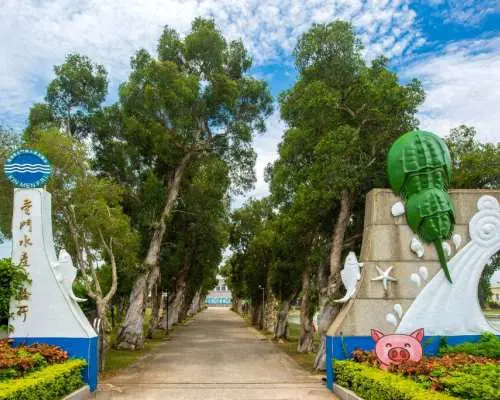
Kinmen offers several excellent locations for observing horseshoe crabs. Notable spots include the mudflats around Jiangong Island, particularly during low tide, and areas near the Kinmen Fisheries Research Institute. These locations provide ideal habitats for horseshoe crabs, especially during their breeding season. A guided ecological tour can lead you to the most suitable viewing points for a close yet respectful encounter.
3. What are the responsible practices for handling and conserving horseshoe crabs during an ecological encounter in Kinmen?
Responsible interaction with horseshoe crabs in Kinmen involves minimal disturbance. If a guide permits gentle handling, ensure the crab is held carefully and returned to the water upright, facing the sea. It's vital not to take them out of their habitat or disturb their natural behaviors. Adhering to these conservation guidelines helps protect these vulnerable species for future generations.
4. What are the common ways to travel to Kinmen Island for visitors joining local ecological tours?
Visitors typically travel to Kinmen Island by air or sea. Flights from major Taiwanese cities like Taipei (Songshan Airport), Taichung, Kaohsiung, and Tainan frequently operate to Kinmen Airport. Alternatively, for those coming from mainland China, ferries are available from Xiamen Wutong Port to Kinmen's Shuitou Port, with a journey time of approximately 30 minutes.
5. What is the best time to visit Jiangong Island to experience its 'Moses Parting the Sea' phenomenon?
The 'Moses Parting the Sea' phenomenon at Jiangong Island, where a walkable path emerges, is entirely dependent on low tide. To experience this, you must visit during the specific low tide hours. It is highly recommended to check the daily tide tables for Kinmen in advance or join a guided tour, as professional guides will schedule the visit accordingly.
6. What kind of educational experience can be expected at the Kinmen Fisheries Research Institute regarding horseshoe crabs?
The Kinmen Fisheries Research Institute offers an insightful educational experience, focusing on local marine ecology and conservation, particularly of horseshoe crabs. Visitors can learn about their unique life cycle, ecological role, and the institute's efforts in species preservation through various exhibits and potentially observation facilities, deepening understanding of their ecological value.
7. What makes horseshoe crabs in Kinmen ecologically significant and unique to the region?
Horseshoe crabs are ecologically significant in Kinmen as 'living fossils,' having existed for millions of years with little change. They play a crucial role in the coastal ecosystem, turning over sediment and serving as a food source for other marine life. Their presence in Kinmen's intertidal zones acts as an important indicator of the health and biodiversity of the local marine environment.
8. What are the best viewing points around Cihu Lake and the Golden Gate Bridge for experiencing the sunset in Kinmen?
For breathtaking sunsets, the area around Cihu Lake is highly recommended. The Cihu Lake Sunset Viewing Platform offers panoramic views of the lake with the Golden Gate Bridge in the distance, creating a stunning backdrop as the sun dips below the horizon. The causeway leading to Cihu is also ideal for capturing picturesque moments of the sky and water reflecting vibrant colors.


