

Explore-Castles Tour in Samurai City Aichi Using Local Train
- Tour three of the most popular castles in Aichi.
- Use local transportation and enjoy the town atmosphere
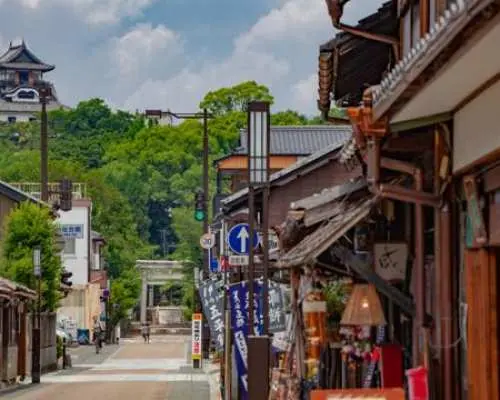
- In the castle town, enjoy eating and shopping at cafes in townhouses and stores
- An English speaking guide explains about the spots with detailed informations about them.
Package Options


Sightseeing Tours
| Tour Type | Private tour |
| Flexible Itinerary | Customizable Itinerary |
| Tour types | Guided tour |
| Sightseeing type | Historic site tour |
| Transport | Bus tour |
Product Info
Purchase Notice
This is a private tour. Only your group will participate.
You can customize it as you like. If you have any requests please let us know in advance.
If you want to change your schedule even on the tour day, your guide is always happy to help you.
You can skip the spot where you don't go (※in this case we do not refund any fees) or change it with another place.
If you add some new spots by your request, please pay the ticket fee on the spot. (Note that you may need to pay extra transportation fee)
Reminders
Customer Guidelines:
This tour utilizes public transportation. Please be aware that seats are not reserved.
Please ensure you arrive promptly at the designated meeting time.
Please be aware that weekends, holidays, and event days may experience high levels of congestion.
The schedule may be subject to sudden changes or shorter visit durations due to reasons such as traffic congestion.
Refunds will not be provided if you fail to arrive at the meeting location on time (no show).
In the event of a natural disaster, such as a typhoon, the tour will be canceled, and a full refund will be issued.
Please personally take responsibility for your valuables.
Note: These guidelines are provided to ensure a safe and enjoyable experience. Thank you for your cooperation.
Cancellation Policy
- Cancellations 11 day(s) (inclusive) before the selected date are allowed. Unused orders can be canceled for free
- For cancellations made 8 to 10 days prior to selected date, a cancellation fee of 20% will apply
- For cancellations made 2 to 7 days prior to selected date, a cancellation fee of 30% will apply
- For cancellations made 1 to 1 days prior to selected date, a cancellation fee of 40% will apply
- Cancellation is not allowed between 0–0 days from the selected date. Orders cannot be canceled or modified, and refunds will not be granted.
- Due to time zone differences, the confirmed cancellation date is based on the supplier’s local time. Please allow 2–5 business days to process your cancellation request, after which the cancellation fee will be charged according to the product’s cancellation policy. Once your refund request is confirmed, KKday will initiate the refund to your original payment method within 15 days. The actual refund timing depends on your card-issuing bank’s policy.
FAQ
1. What historical significance does Okazaki Castle hold regarding Tokugawa Ieyasu and samurai history?
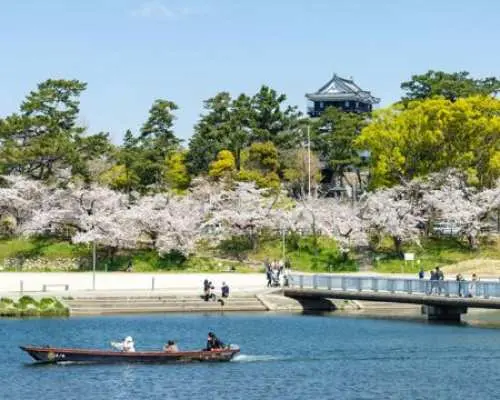
Okazaki Castle is renowned as the birthplace of Tokugawa Ieyasu, one of Japan's most important historical figures who unified Japan. It served as a vital strategic stronghold during the Sengoku period. Visitors can explore the castle museum which details Ieyasu's life and the samurai era, offering insights into the warrior culture and political landscape of his time. The castle grounds also feature various monuments related to Ieyasu's legacy.
2. What are the architectural highlights and unique features of Nagoya Castle?
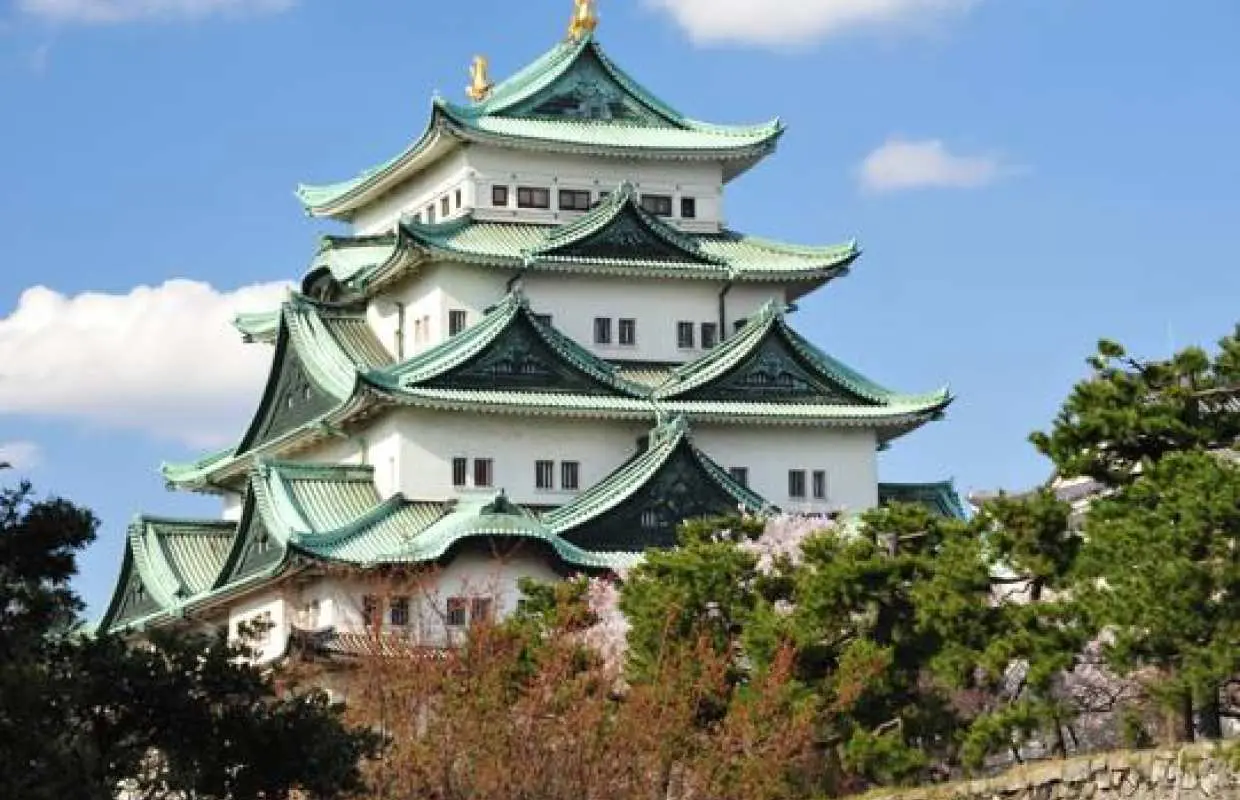
Nagoya Castle is famous for its majestic golden Shachi (mythical tiger-carp statues) adorning its main keep, symbolizing prosperity and protection. The castle also boasts a magnificent reconstructed Honmaru Palace, showcasing exquisite traditional Japanese architectural craftsmanship, detailed paintings, and sliding doors. Visitors can admire the grand scale of its fortifications and the historical reconstruction efforts that bring its past glory to life.
3. What historical significance does Inuyama Castle have as one of Japan's oldest original castles?
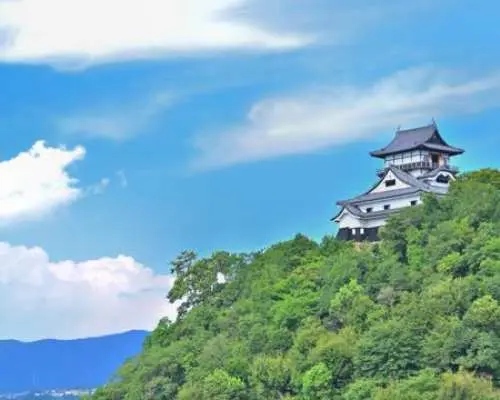
Inuyama Castle holds significant historical value as one of only twelve Japanese castles with an original keep surviving since the Edo period. Its construction dates back to 1537, offering a rare glimpse into medieval Japanese castle architecture. Visitors can climb to the top of its wooden keep for panoramic views, experiencing the same historic structure that has stood for centuries, and learn about the strategic importance of its location overlooking the Kiso River.
4. What cultural experiences and shopping opportunities are available in Okazaki's castle town near Okazaki Castle?
Okazaki's castle town, particularly around Okazaki Park, offers charming cultural experiences. Visitors can explore traditional townhouses converted into cafes and local shops, perfect for enjoying regional snacks or finding unique souvenirs. The area often features demonstrations of traditional crafts or local festivals, providing a deeper immersion into Japanese culture and history related to the samurai era.
5. How can visitors use local transportation to explore the castle towns of Aichi, such as near Okazaki Castle?
Exploring Aichi's castle towns often involves using local trains and buses, which connect major cities like Nagoya to historical sites. For Okazaki Castle, visitors typically take the Meitetsu Nagoya Line to Higashi-Okazaki Station, followed by a short walk or bus ride to Okazaki Park. This allows for an immersive experience of local life and the surrounding town atmosphere between destinations.
6. What kind of information does an English-speaking guide provide when visiting historical sites like Okazaki Castle?
An English-speaking guide enhances visits to historical sites like Okazaki Castle by providing detailed explanations of their history, architectural nuances, and cultural significance. They share engaging stories about figures like Tokugawa Ieyasu, samurai legends, and the daily life within the castle walls. Guides can also offer insights into local customs and help navigate the castle grounds, ensuring a richer and more informative experience.
7. What attractions and facilities can be found within Okazaki Park, beyond Okazaki Castle itself?
Okazaki Park is home to several attractions in addition to Okazaki Castle. It features the Tokugawa Ieyasu and Mikawa Bushi Museum, offering deeper insights into samurai culture. Visitors can also find a traditional Japanese garden, a tea ceremony house, and various monuments related to local history. The park is a popular spot for relaxing, picnicking, and enjoying seasonal flora, especially during cherry blossom season.
8. What are the key differences between Okazaki Castle, Inuyama Castle, and Nagoya Castle for visitors?
These three castles offer distinct experiences. Okazaki Castle, being Tokugawa Ieyasu's birthplace, focuses heavily on his legacy and samurai history within its museum. Inuyama Castle stands out with its original wooden keep, allowing visitors to experience a truly authentic medieval structure. Nagoya Castle, reconstructed grandly, impresses with its golden Shachi and the opulent Honmaru Palace, showcasing post-Sengoku period splendor and grandeur.


