


選擇方案
文化體驗
| 交通方式 | 自行前往 |
| 地點 | 室內 |
| 活動程度 | 初級 (新手) |
| 體驗活動類型 | 珠寶創作 |
| 成團人數 | 1人 |
商品說明
行程介紹
第1天
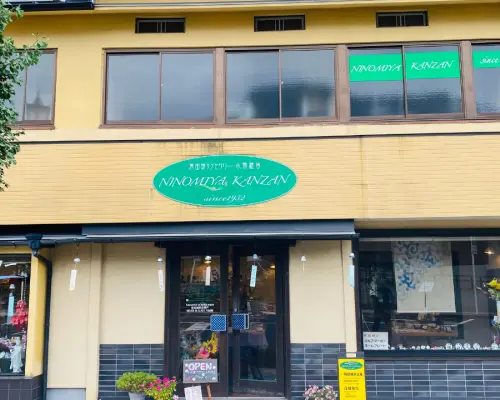
- 請預約時直接前往有田站前的二宮館山。
- 店內擺滿了有田燒製品!
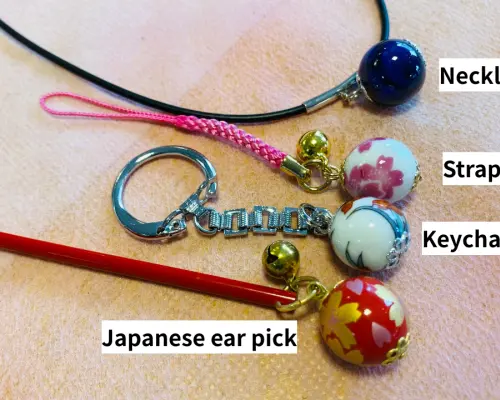
- 從項鍊、吊帶、鑰匙鍊和耳勺中選擇兩件您喜歡的物品。
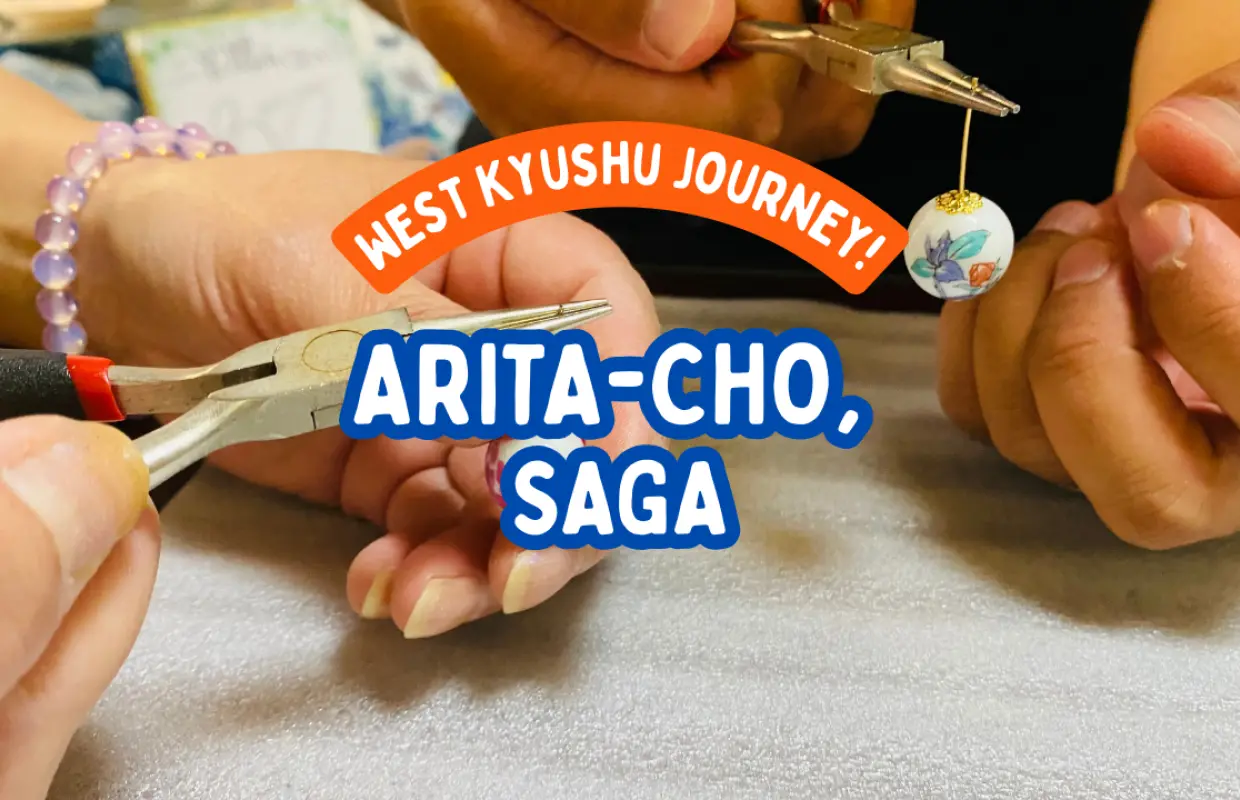
- 選擇自己喜歡的瓷球,在導師的悉心指導下,享受製作瓷球的體驗。
- 我的原創背帶完成了! *成品可以帶回家!


購買須知
如果由於我們無法控制的情況導致旅行取消,我們將全額退還參加費用。
費用包含/不包含
注意事項
請直接前往位於有田車站前的二宮館山。
導遊服務為日語。
如何使用
憑證使用方式
- 現場請出示電子憑證
集合地點
地點名稱:二宮館山有田站店
地址:佐賀縣西松浦郡有田町本町平 993 號(844-0018)取消政策
- 所選日期 1 天(含)之前取消,未使用可免費取消
- 所選日期 0 ~ 0 天之間取消,不可取消、更改訂單,亦不得請求退款
- 由於站內商品來自全球各地,訂單取消時間將依該供應商所在時區判定。供應商需 2-5 個工作天進行取消流程,依照您購買的商品取消政策收取手續費,並於取消流程完成後14 個工作天內退款。
常見問題
Arita ware is indeed a type of porcelain. It is primarily made from local kaolin clay found in the Izumiyama quarry within Arita Town. This specific clay, rich in silica and alumina, allows for firing at extremely high temperatures, resulting in a hard, non-porous, translucent material. This composition and firing process are defining characteristics of true porcelain, distinguishing Arita ware from other ceramics like earthenware or stoneware.
Arita ware refers to porcelain produced in Arita Town, the birthplace of Japanese porcelain. Imari ware, on the other hand, historically refers to Arita porcelain that was shipped from the port of Imari for export. While both share the same production origin, the term "Imari ware" often describes a specific decorative style, usually more opulent with rich colors like red, gold, and blue, designed to appeal to European markets. Arita ware, while encompassing various styles, includes more refined and subtle designs, focusing on intricate patterns and delicate artistry.
To maintain the beauty of Arita ware accessories, handle them gently to prevent chips or cracks. For cleaning, use a soft, damp cloth to wipe the porcelain beads, avoiding abrasive cleaners that could damage the glaze. For any metal components, polish them with a jewelry polishing cloth if needed. Store accessories in a separate pouch or box to prevent scratching from other items and keep them away from direct sunlight or extreme temperatures.
Getting around Arita Town is possible through various local transportation options. The JR Sasebo Line connects Arita Station to major cities. Within the town, local community buses operate on specific routes, and taxis are available, especially around Arita Station. Many of Arita's historical sites, shops, and some kilns are within walking distance in the main pottery district, offering a pleasant way to explore on foot. Renting a car also provides flexibility for visiting more remote areas.
To reach Arita Porcelain Park from Arita Station, the most convenient method is usually by taxi, which takes approximately 10-15 minutes. Alternatively, there are local buses that may go in the direction of the park, though their frequency can vary. It's advisable to check the latest bus schedule at Arita Station or consult with local information centers upon arrival to plan your journey effectively.
Yes, visitors can absolutely tour traditional Arita ware kilns in Arita Town. Many active kilns and workshops welcome visitors, offering insights into the production process, from shaping clay to firing. Some well-known kilns provide guided tours or opportunities to see historic climbing kilns (Noborigama). It is recommended to check with the Arita Tourism Association or local information centers for a list of kilns open to the public and their visiting hours to plan a comprehensive tour.
An Arita ware accessory making experience typically involves selecting beautiful Arita porcelain beads and then attaching them to metal components to create a unique piece, such as a necklace or earrings. This hands-on activity allows you to craft a one-of-a-kind souvenir. It is highly suitable for beginners, as expert teachers provide full support and guidance throughout the process, ensuring everyone can successfully complete their own original accessory, even with no prior experience.
取得協助


