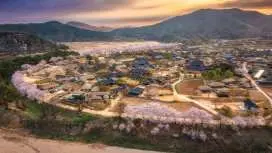
Bulguksa Temple, located just southeast of Gyeongju, South Korea, is a stunning UNESCO World Heritage site and a masterpiece of Buddhist architecture from the Silla Dynasty. Nestled on the forested slopes of T’oham Mountain, the temple complex features iconic stone pagodas like Seokgatap and Dabotap, elegant bridges, and intricately carved halls that reflect deep Buddhist symbolism. Visitors can experience a serene atmosphere amid ancient pine trees and iris gardens, making it a place of spiritual tranquility and cultural richness. The temple is not only a place of worship but also a symbol of harmony between heaven and earth. Nearby, the Seokguram Grotto offers an additional glimpse into the spiritual artistry of the era, with its impressive Buddha statue inside a man-made cave. Travelers can also explore the historic city of Gyeongju, known as the “museum without walls,” with its royal tombs, traditional villages, and museums. A visit to Bulguksa Temple offers a unique blend of history, spirituality, and natural beauty, making it a must-see destination in South Korea.
Mga Highlight
World Heritage、Dabotap Pagoda、Seokgatap Pagoda
Inirerekomendang Tagal
1–2 hours
Lokasyon
Gyeongju・Jinhyeon-dong
Paano Pumunta
Bulguksa stop, walk
Templo ng BulguksaMga Sikat na Kategorya ng Produktong Paglalakbay at Karanasan
Napakahusay ng mga kaayusan, propesyonal ang tour guide, maasikaso ang pag-aalaga, magaganda ang mga atraksyon, komportable at malinis ang tour bus, angkop ang oras na inilaan para sa bawat atraksyon, at napakamaalalahanin ng komunikasyon at follow-up.
Bago pumunta sa Korea, matagal akong nag-atubili dahil medyo malayo ang mga atraksyon sa Gyeongju, at pakiramdam ko ay matagal maghintay at maglilipat ng bus. Sa huli, dahil tinatamad ako, nagpa-book ako ng day tour sa KKday. Medyo nag-alala ako na baka maging katulad ito ng mga rushed tour para sa mga matatanda, pero mas maganda ang karanasan kaysa sa inaasahan ko!
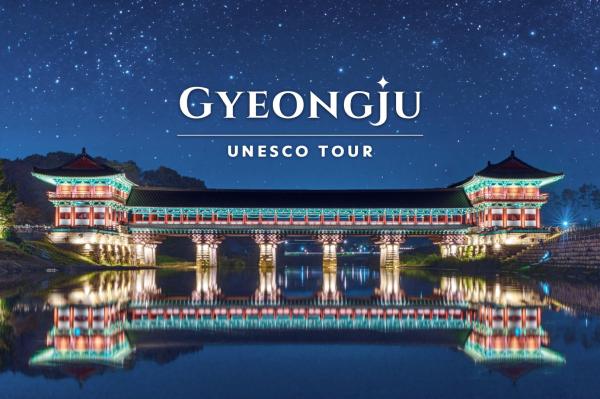
Ginugol namin ang buong araw sa pagbisita sa Bulguksa Temple, Yangdong Village, pagkain ng tanghalian, Daereungwon National Park, Hwangridan-ro, at pagkatapos ay sa pagbisita sa Donggung Wolji Pond at Woljeong Bridge sa gabi. Sa totoo lang, napakaraming atraksyon, pero hindi ako nakaramdam ng pagmamadali. Sakto ang timing ng tour guide; tama lang ang oras na inilaan para sa bawat lugar—sapat para makapaglakad-lakad kami, kumuha ng mga litrato, bumili ng meryenda, at hindi mabagot. Nakakarelaks ang paglalakad sa Yangdong Village sa umaga, ginugol ang hapon sa pamimili ng mga souvenir sa Hwangridan-ro, at ang liwanag ng gabi sa Donggung Wolji Pond at Woljeong Bridge ay talagang kahanga-hanga; kahit ang isang kaswal na litrato sa telepono ay napakaganda.
Pagkatapos naming bisitahin ang Woljeong Bridge, sumakay ang lahat ng bus para bumalik sa Busan. Ibinaba ng mga bus ang iba pang mga turista sa mga istasyon ng Haeundae at Busan, habang kami ang huling bumaba sa Seomyeon.
Malinaw na pagdating namin sa Seomyeon, lahat ay naghiwalay ng landas, at ang biyahe ay magiging perpektong katapusan. Ngunit ang aming tour guide ay napakabait! Alam niyang kami ang huling bumaba, at maaari na lang sanang umalis, ngunit dahil siguradong gutom na kami pagkatapos maglakad buong araw, mabait niyang inalok na dalhin kami sa isang restawran na may pork soup rice na inirekomenda niya.
Iginiya niya kami hanggang sa restawran. Medyo malamig noong gabing iyon, at nang ihain ang mainit na mangkok ng pork soup rice, labis akong naantig! Napakasarap ng sabaw, napakarami ng hiwa ng baboy, at sa kaunting shrimp paste at chives na hinaluan, isang subo lang ay agad na nabura ang pagod mula sa paglalakad ng libu-libong hakbang nang araw na iyon. Naupo kami roon, kumakain ng aming sopas na kanin nang may sarap, tunay na mainit ang aming mga puso at tiyan.
Akala ko dati ay minadali lang ang mga day tour, ngunit sa pagkakataong ito ay nakilala ko ang isang mahusay na tour guide na hindi lamang ako nasiyahan sa mga tanawin, kundi lubos din akong gumaling sa isang mangkok ng homemade na sopas sa huli. Kung gusto mong pumunta sa Gyeongju ngunit ayaw mong mahirapan sa transportasyon, sa tingin ko talaga ay sulit ang ganitong uri ng day tour!
Anonymous na miyembro
Pamilya
Templo ng Bulguksa Mga Madalas Itanong (FAQ) at Kapaki-pakinabang na Impormasyon sa Paglalakbay
Why is Bulguksa Temple famous?
Bulguksa Temple is famous as an iconic heritage site from the golden era of the Unified Silla Dynasty. Established in the mid-8th century, it represents the highly developed architectural skills and creative craftsmanship of the Silla people.
Is Bulguksa Temple worth visiting?
Yes, Bulguksa Temple is definitely worth visiting. It is a stunning and famous place that offers a glimpse into rich history. A visit typically takes a couple of hours. After your visit, consider stopping for coffee at a nearby cafe.
What is the dress code for Bulguksa Temple?
As Bulguksa Temple is a sacred site, it's advisable to wear modest and comfortable clothing. Avoid overly tight or revealing outfits to ensure an authentic and respectful experience.
How do I get to Bulguksa Temple from Gyeongju?
You can easily reach Bulguksa Temple from Gyeongju by public bus. From downtown Gyeongju, take bus 10, 11, or 100 from the stop near the Gyeongju Intercity Bus Terminal, or bus 700 from the Gyeongju Express Bus Terminal. If arriving at Singyeongju Station (KTX), take bus 700. The bus ride from downtown Gyeongju takes approximately 25-45 minutes.
What can I see and do at Bulguksa Temple?
At Bulguksa Temple, you can explore its magnificent architecture, including the iconic stone pagodas like Seokgatap and Dabotap. Wander through the serene courtyards, admire the intricate Buddha statues, and soak in the spiritual atmosphere of this ancient UNESCO World Heritage site. The temple grounds themselves are a masterpiece of Silla Buddhist art and architecture.
KKday App
Ang iyong maaasahang travel buddy
Para sa unang pagbili mo sa appSa una mong purchase sa app, ilagay ang code APP90 sa checkout para makatipid ng 90 TWD sa orders na 1,500 TWD pataas!