


Japan・Osaka/Nagoya 2-Day Bus Tour|Tateyama Kurobe Snow Wall, Shirakawa-go, Hida Takayama|Depart from Osaka・Nagoya City
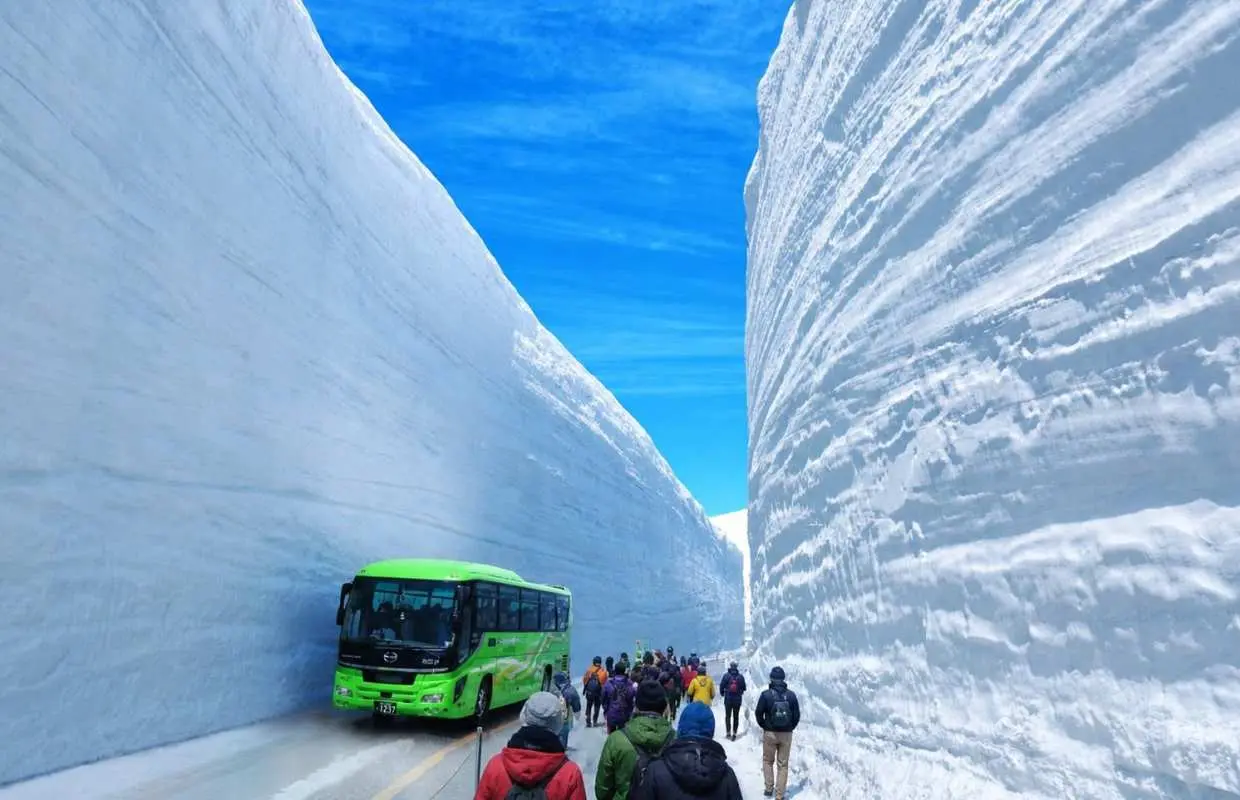
- Walk between the snow walls and touch the spectacular white snow walls
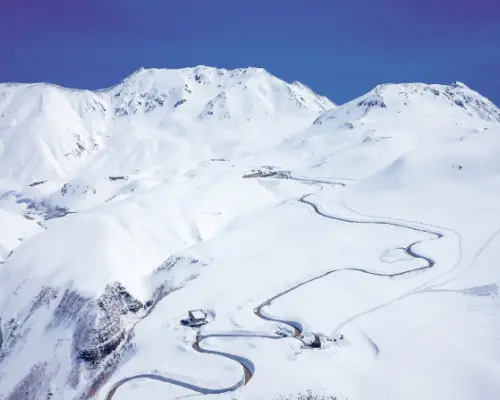
- Enter the road where ordinary passenger cars are prohibited from driving, and don't miss the silver world of Tateyama Kurobe
- Feel the spring and the lush greenery of Shirakawa-go
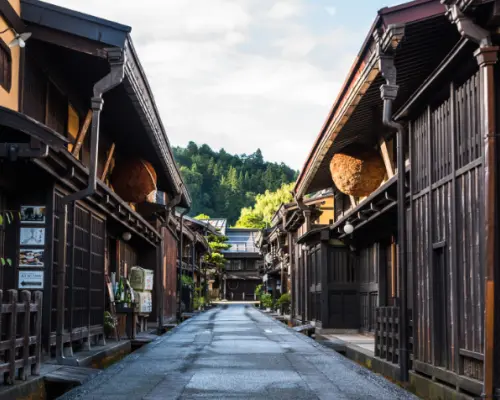
- Visit Hida Takayama and experience the charm of retro Japan
- Enjoy the view of the open-air bath and the nourishing natural hot springs
Package Options


Sightseeing Tours
| Tour Type | Shared tour |
| Transportation method | Transfer from meeting point |
| Minimum participant requirement | 15 travelers |
| Tour types | Guided tour |
| Meal arrangement | Breakfast included |
| Accommodation type | Hotel |
| Room type | Arrange on-site |
| Seasonal | Winter Snow Exclusive |
| Sightseeing type | Natural sights, Japanese castles |
| Transport | Bus tour |
Product Info
Purchase Notice
- The service will primarily be conducted in Japanese. Accompanying translators will provide group information, but will not provide introductions to attractions. Please be aware of this.
- If the number of participants is small, a small passenger vehicle may be arranged to form a group.
- If the Tateyama Toll Road is closed due to weather, you will be taken to Murodo by cable car. Please be aware that each passenger will need to pay an additional cable car fee.
- In case of severe weather, the Tateyama Yuryo Road will be closed to traffic, and the itinerary will be changed to a sightseeing tour within Kanazawa City (Kanazawa Castle Town, Higashi Chaya Town, Omicho Market, etc.). In this case, each guest will receive a refund of 1000 JPY.
- We appreciate your understanding that the Snow Valley walk may be cancelled due to inclement weather.
- Due to weather conditions, the Tateyama Toll Road may be closed. In such cases, a cable car will be used to reach Murodo. The cable car fare will be charged separately by the traveler (not included in the tour price). Please be aware of this.
[Tourism Conditions]
- Travel departure point/destination: Nagoya, Osaka, Toyama
- Trip duration: 1 night 2 days
- Transportation: Chartered bus
- Bus company name: アクロス Osaka Bus / アルピコ Transportation / えびす Transportation / エムケイ観光バス/大川バス/Osaka 観光バス/Osakaコンビナートバス/Osaka No.1 Transportation/Osaka バス/Osaka バスKinki/Osaka Green Wind Sightseeing/Kansai Airport Transportation/Kansai Chuo Transportation/Kishiwada Sightseeing/Kokushin Railroad/Kokusai Kogyo Osaka/Kumano Mibo Nankai バス/ Sakai Daiichi Kanko/さやまTransportation/Shiga Kanko Transport/Shangdu Transport/Kamihime Kanko Transport/Central Transport Transport/Chongnichi Rinkai Navigation/Teisan Kanko Transport/Higashi Hiroshima Transport/Nara Kanko Transport/Nai Good Transportation/West Japan Transportation/Japan Transportation/Japan Water and Land Sightseeing/Hankyu Sightseeingバス/北港観光バス/明光バス/ヤサカ観光バス/ユタカ Transportation/両备バス
- Meals included: Breakfast (1 meal), Lunch (0 meals), Dinner (0 meals)
- Accommodation facilities: APA Toyama Ekimae/APA Tokyu Toyama Toyama/Tokyu JAL Toyama/APA Tokyu Takaoka Ekimae
- Minimum group size: 15 people
- Team Leader: 1
- Tour guide: 0
【Travel Planning/Implementation】
- Operating Company Name: PC-TAKU Co., Ltd.
- Address: Level 6, Suehiro Town, 5-2-3 Sokanda, Chiyoda-ku, Tokyo
- License Number: Tokyo Governor's Registered Travel Agent No. 2-7301
- Travel Association Name: National Travel Association Member
Reminders
A minimum of 15 traveler(s) are required for the tour to depart. If the number of participants does not reach the minimum requirement, the tour will be canceled. An email regarding tour cancellation will be sent 4 day(s) before the departure date
Please arrive at the designated location 15 minute(s) before the scheduled departure time, as the tour will depart on time
If there is congestion on the Alps route, departure from the hotel the following morning will be earlier than scheduled. A bento box will be provided for breakfast.
In case of severe weather, the Tateyama Yuryo Road will be closed to traffic, and the itinerary will be changed to a sightseeing tour within Kanazawa City (Kanazawa Castle Town, Higashi Chaya Town, Omicho Market, etc.). In this case, each guest will be refunded 1,000 yen.
We appreciate your understanding that the Snow Valley walk may be cancelled due to inclement weather.
The actual itinerary may be changed or shortened depending on traffic conditions or other uncontrollable factors on the day. Thank you for your understanding.
Due to traffic congestion, the time spent at tourist attractions may be shortened.
If the number of participants is small, a small passenger vehicle may be arranged to form a group.
Due to limited vehicle space, each person is limited to one 22-inch suitcase. Please be aware of this.
The hot springs are for separate nude bathing for men and women. Please do not enter the bath wrapped in a towel or make loud noise. Additionally, due to cultural reasons, guests with tattoos are advised to avoid bathing or exposing their tattoos.
Due to weather conditions, the Tateyama Toll Road may be closed. In such cases, the itinerary will be changed to a cable car ride to Murodo. The cable car fee will be charged separately by the traveler (not included in the tour price). Please be aware of this.
In case of severe weather, the Tateyama Toll Road will be closed, and the itinerary will be changed to a sightseeing tour of Kanazawa City (Kanazawa Castle Town, Higashi Chaya Town, Omicho Market, etc.). In this case, participants will receive a refund of 1000 yen per person. *In case of severe weather, the Otani Snow Wall Trail may be cancelled, and no refund will be given.
FAQ
1. What is the Tateyama Kurobe Snow Wall and what makes it unique for visitors?
The Tateyama Kurobe Snow Wall, also known as Yuki no Otani, is a spectacular natural phenomenon along the Tateyama Kurobe Alpine Route. Each spring, massive snow accumulations are carved into towering walls, creating a unique pedestrian path where visitors can walk between snow towering up to 20 meters high. It offers an immersive "silver world" experience, making it a truly breathtaking seasonal attraction for its sheer scale and accessibility.
2. How deep does the snow typically get at the Tateyama Kurobe Snow Wall, and what is its scale?
The snow depth at the Tateyama Kurobe Snow Wall can reach impressive heights, often exceeding 10-20 meters (approximately 30-65 feet) in certain sections during its peak season. This colossal scale is a result of heavy snowfall in the Tateyama mountain range, creating a dramatic corridor where visitors are dwarfed by the towering snow walls along the "Great Snow Wall Walk" for a significant distance.
3. What is the best time of year to visit the Tateyama Kurobe Snow Wall for the full experience?
The Tateyama Kurobe Snow Wall is typically open from mid-April to late June each year. The optimal period to experience the highest snow walls is usually from mid-April to mid-May, shortly after its opening, when the walls are at their peak height. As spring progresses, the walls gradually shrink, but the entire opening period offers a unique opportunity to witness this majestic snow corridor.
4. What makes Shirakawa-go a famous and significant cultural heritage site to visit?
Shirakawa-go is renowned for its traditional gassho-zukuri farmhouses, characterized by their steeply pitched, thatched roofs designed to withstand heavy snowfall and provide large attic space for sericulture. This unique architectural style and the village's harmonious integration with its natural surroundings led to its designation as a UNESCO World Heritage site, offering visitors a glimpse into rural Japanese life and traditional village charm.
5. How much time is recommended for sightseeing and exploring Shirakawa-go?
To fully appreciate Shirakawa-go's charm, including visiting several gassho-zukuri houses, exploring the village's narrow paths, and enjoying the scenic viewpoints (like the Shiroyama Viewpoint), a duration of 2 to 3 hours is generally recommended. This allows enough time for leisurely exploration, photography, and soaking in the tranquil atmosphere without feeling rushed, ensuring a comprehensive visit.
6. What transportation is typically used to reach the Tateyama Kurobe Alpine Route's Snow Wall?
The Tateyama Kurobe Alpine Route is a unique mountain traversal route that prohibits private cars. Visitors typically use a series of public transportation, including buses, cable cars, trolley buses, and ropeways, to navigate the route. For convenience, many travelers opt for organized bus tours that provide seamless transportation directly to and along the Alpine Route from major cities like Osaka or Nagoya, handling all transfers.
7. What can visitors expect to see and do in Hida Takayama?
In Hida Takayama, often called "Little Kyoto," visitors can explore its beautifully preserved old town with traditional wooden merchant houses, sake breweries, and craft shops. Key activities include strolling through Sanmachi Suji, visiting morning markets like Miyagawa for local produce and crafts, and sampling local delicacies such as Hida beef. The area offers a charming glimpse into retro Japan, reflecting its rich history and culture.
8. Is an open-air hot spring bath experience included in tours visiting Tateyama Kurobe and Shirakawa-go?
Yes, many multi-day tours that include destinations like Tateyama Kurobe and Shirakawa-go often feature an open-air hot spring bath experience as part of the itinerary. These tours are designed to provide a relaxing end to a day of extensive sightseeing, allowing guests to unwind in nourishing natural hot springs, often with scenic views, enhancing the overall travel experience with a traditional Japanese wellness activity.
Get Help


