


Shizuoka-Atami Ocean Spa Fuua Onsen Admission Ticket
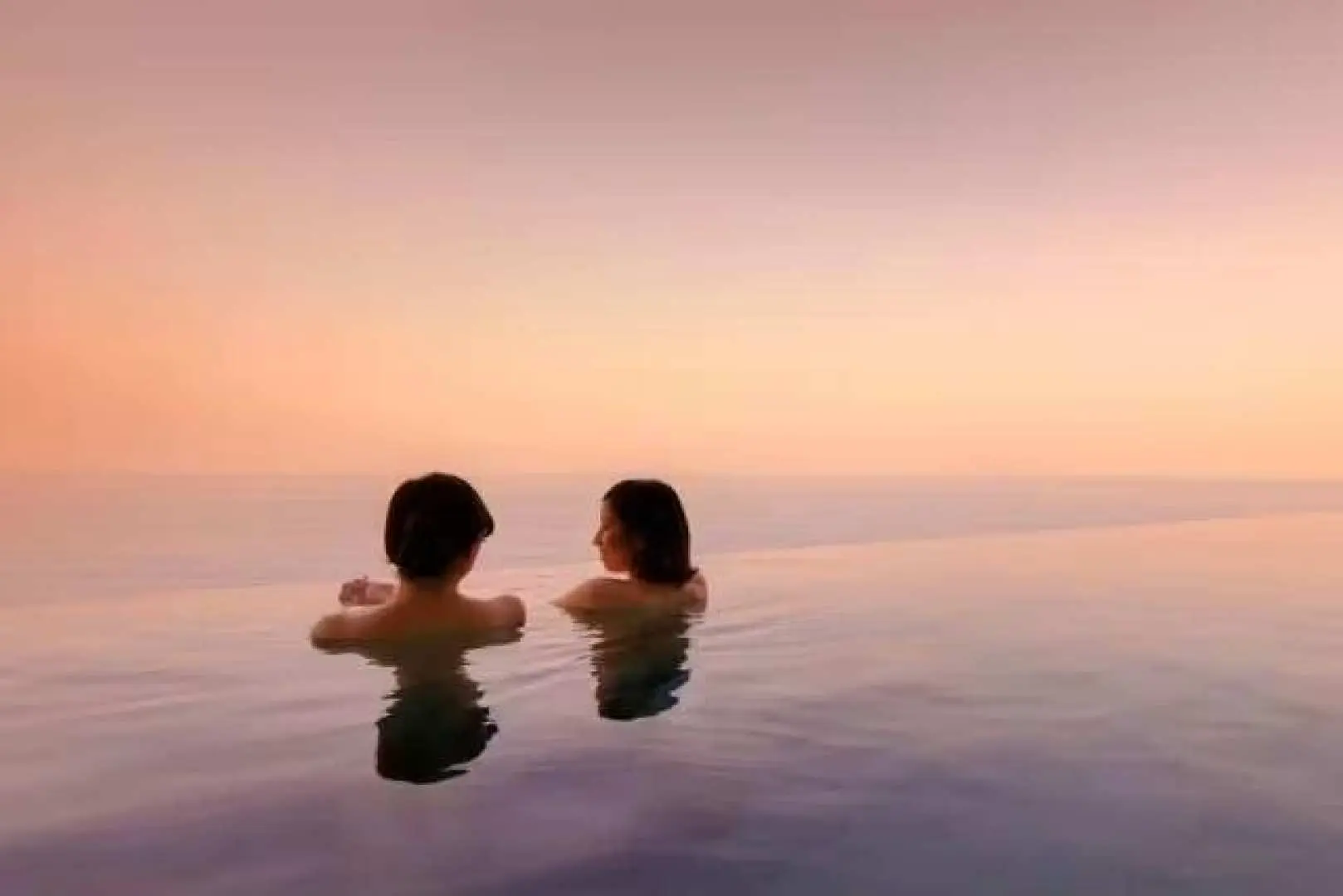
- An open-air hot spring with stunning views of Sagami Bay, where you can soak in the hot spring while gazing at the magnificent seascape – a truly therapeutic experience.
- A variety of themed rock baths and immersive sauna experiences, from intense sweating to refreshing coolness, all in one place.
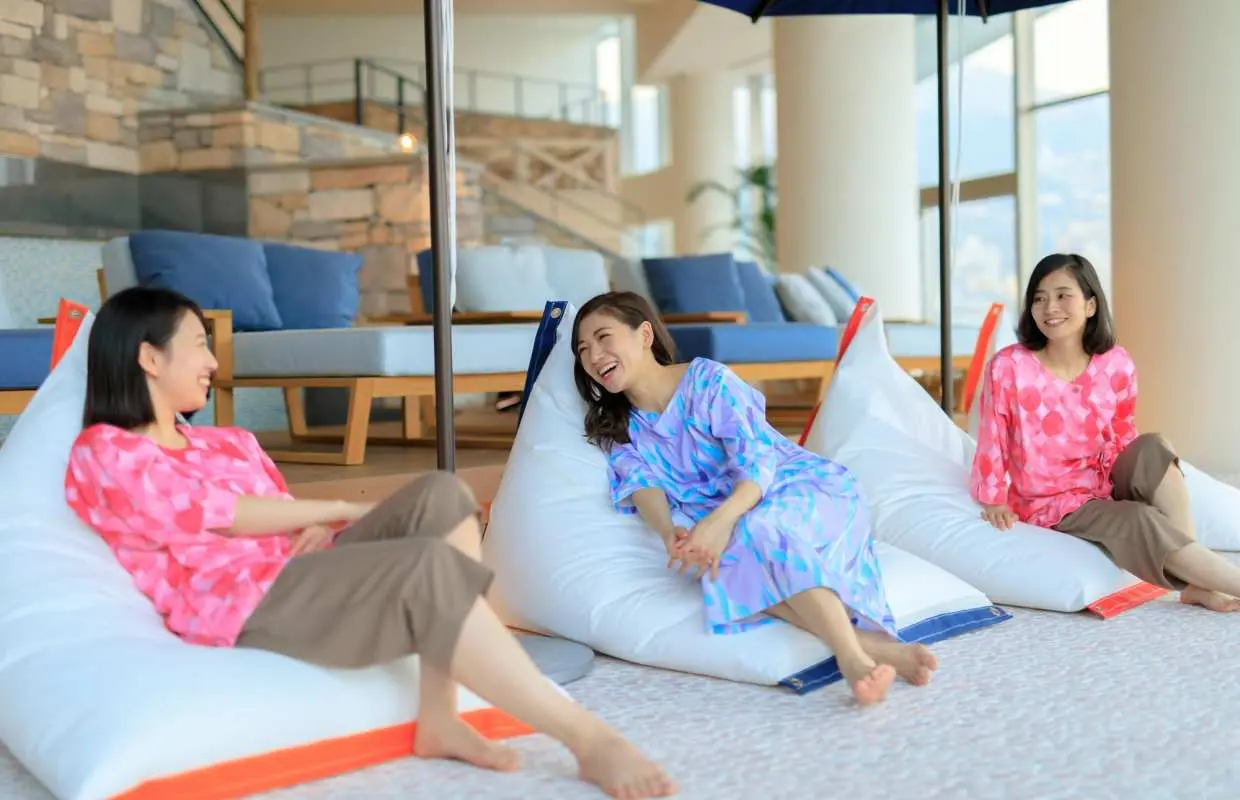
- The facility provides exclusive in-house attire, allowing couples, families, and friends to enjoy the diverse facilities such as hot springs, coffee shops, and beauty salons together.
- Easily plan your most anticipated hot spring resort experience in Atami by booking through KKday now.
Package Options
Relaxation & Beauty
| Service time | Morning, Afternoon, Evening |
| Facility | Sauna, Pool, Rest lounge |
| Booking method | No reservation needed |
Product Info
The content of this product is provided by machine translation and may not reflect the actual information, please take this into consideration before booking.
Ocean Spa Fuua, located in Atami, Shizuoka Prefecture, is designed with the theme of "seaside villa resort living". It integrates hot springs, rock baths, saunas, dining and beauty services, making it a comprehensive hot spring resort that can be visited in a day.
- Hot spring baths: featuring open-air standing baths where you can relax and soak in the hot springs while enjoying panoramic views of Sagami Bay, making it one of the facility's most iconic experiences.
- Rock Baths and Saunas: Two themed rock baths are available: "Laava," inspired by the volcanoes of the Izu Peninsula, and "Meressa," with an underwater atmosphere. There is also "Pulista," a relaxing talk bath with an open grassland concept, and "Torkkua," a moonlight-themed bath, each with its own unique style, perfect for a long and leisurely stay.
In addition, there is an immersive themed sauna called "Louhu Camp," which features a dedicated space for performances and offers a dual stimulation of intense sweating and refreshing coolness, providing a brand-new sauna experience.
- Other facilities
The facility features a café and beauty salon, and provides in-house attire. Couples, families, or friends can easily use the facilities while wearing the attire without worrying about clothing.
- Beauty salons and some experience facilities require additional fees or reservations. Please contact on-site staff for details.



Purchase Notice
[Ticket Validity Period]
- Same-day voucher: Valid only on the day of purchase and will expire if not used on the same day.
- Pre-sale voucher (valid from the next day): Please select the specified date of use when booking. The actual validity period is subject to the expiry date indicated on the voucher.
- Please check the official website to confirm whether the store is open on the day of your purchase.
[Ticket Usage Rules]
- This ticket cannot be used in conjunction with other coupons, discounts, or perks.
- This ticket does not reduce on-site waiting time.
- Depending on the ticket type, you may be required to present identification documents upon entry; failure to do so may result in ticket price adjustments or refusal of entry.
- Children under 13 years old must purchase tickets on-site.
- Visitors under the age of 18 must be accompanied by a guardian aged 20 or older.
- On the day of the fireworks display, those holding "[Same-day Admission Ticket] for entry after 5 PM" or "[Pre-sale Admission Ticket (Valid from the next day)] for entry after 5 PM" will not be allowed entry, nor can they change their ticket type by paying the difference. Please make sure to confirm the date of the fireworks display before purchasing tickets.
[Entry Restrictions]
- Those with tattoos (including tattoo stickers and body painting) will not be allowed entry.
- Individuals associated with violent organizations are prohibited from entering the venue.
- Those who have consumed excessive alcohol are prohibited from entering the venue.
- People with skin diseases or infectious diseases are not allowed to enter the museum.
- Pets are not allowed in the facility.
- For safety reasons, children under 3 years old are not allowed to enter the museum. Minors under 18 years old must be accompanied by a guardian over 20 years old at all times.
- Children aged 4 to elementary school age must be accompanied by a guardian of the same gender, and mixed bathing is not permitted. In addition, for safety management reasons, some facilities (open-air standing bath, flowing open-air bath, landscape sauna, sauna ceremony, rock bath, torkkua) are not open to this age group.
- People under 135 cm tall are not allowed to use the open-air bath.
[Prohibited Items]
- Outside food, beverages and other food items are not allowed to be brought into the venue (except for allergenic foods and infant weaning foods).
- Please do not bring beverages in metal cans or glass bottles into the venue.
[Severe Weather and Cancellation Policy]
- In the event of severe weather causing the facility to cease operation, transportation costs incurred to the site will not be compensated.
- If the service is unavailable due to force majeure (natural disasters, flight cancellations, war, etc.), a refund is not possible.
Includes/Excludes
- Entrance fee
- Consumption tax
- Facility usage fee
- Towel rental
- Costume rental
- Hot spring tax
- Additional admission fees for weekends and public holidays
Surcharge(s)
Additional admission fees for weekends and public holidays
An additional fee applies to admission on Saturdays, Sundays, public holidays, and specific days: 330 yen per adult (tax included).
Hot spring tax
Each visitor must also pay a hot spring tax of 150 yen per person.
Parking Fee
Parking is available on site, but it is a paid service and no reservation is required.
How to Redeem Your Voucher
How to Use Your Voucher
- Please present the e-voucher on-site
Experience Location
Location Name: Ocean Spa Fuua
Address: 10-1 Wadahamaminamichō, Atami, Shizuoka 413-8626 JapanMonday 10:00–22:00 (Last Entry Time: 21:00)
Tuesday 10:00–22:00 (Last Entry Time: 21:00)
Wednesday 10:00–22:00 (Last Entry Time: 21:00)
Thursday 10:00–22:00 (Last Entry Time: 21:00)
Friday 10:00–22:00 (Last Entry Time: 21:00)
Saturday 10:00–22:00 (Last Entry Time: 21:00)
Sunday 10:00–22:00 (Last Entry Time: 21:00)
- Please refer to the official website for business hours.
Cancellation Policy
- Once the order has been completed, it cannot be canceled, modified, or refunded
- Due to time zone differences, the confirmed cancellation date is based on the supplier’s local time. Please allow 2–5 business days to process your cancellation request, after which the cancellation fee will be charged according to the product’s cancellation policy. Once the cancellation is confirmed, you will receive your refund within 14 working days.
FAQ
Yes, IC cards such as Suica or Pasmo can be used for most local train lines and some Shinkansen services (like non-reserved seats on Kodama trains) from Tokyo to Atami. However, for reserved seats on faster Shinkansen services like Hikari or Kodama, you will generally need to purchase a separate ticket in addition to your IC card fare. It's always best to check the specific train service requirements for your chosen service to Ocean Spa Fuua.
The most efficient way to reach Atami from Tokyo to visit Ocean Spa Fuua is by Shinkansen (bullet train), taking approximately 40-50 minutes from Tokyo Station on the Tokaido-Sanyo Shinkansen line. Alternatively, you can take a local JR Tokaido Line train, which offers a more scenic but longer journey of about 90-120 minutes. From Atami Station, Ocean Spa Fuua is a short taxi ride or a local bus journey away.
The cost of Shinkansen travel from Tokyo to Atami for Ocean Spa Fuua is influenced by several factors. These include the type of Shinkansen you choose (e.g., faster Hikari vs. slower Kodama), whether you opt for reserved or non-reserved seating, and if you are traveling during peak seasons or specific times of day. Purchasing tickets in advance or considering specific travel passes might also affect the overall fare.
For international travelers visiting Ocean Spa Fuua in Atami, Narita International Airport (NRT) and Tokyo Haneda Airport (HND) are the most convenient points of entry. Haneda is closer to central Tokyo and Atami, offering more straightforward access via train. From either airport, you would typically travel to Tokyo Station first, then take the Shinkansen to Atami for your onward journey to the spa.
From Atami Station, Ocean Spa Fuua is easily accessible. You can take a local bus from the station's bus terminal directly to the spa. Alternatively, taxis are readily available outside Atami Station and offer a convenient, albeit slightly more expensive, option for a direct ride to the facility. The journey by either method is relatively short, typically under 15 minutes.
The total travel time from Tokyo to Ocean Spa Fuua, including the journey to Atami and local transfer, varies. By Shinkansen from Tokyo Station to Atami Station, it takes approximately 40-50 minutes. Adding about 10-15 minutes for local transfer from Atami Station to Ocean Spa Fuua by bus or taxi, the total travel time is roughly 50-65 minutes, depending on connections and traffic.
Ocean Spa Fuua aims to provide a welcoming experience for all visitors. While public transportation to Atami and then to the spa is generally accessible, visitors with limited mobility or heavy luggage may find a taxi from Atami Station directly to Ocean Spa Fuua more convenient. The facility itself is designed to be user-friendly, offering comfortable movement within its premises.
For local transportation to Ocean Spa Fuua within Atami, cash is a universally accepted payment method for both local buses and taxis. While IC cards like Suica or Pasmo are widely used, it's advisable to carry some Japanese Yen, especially small denominations, as some smaller local buses or taxis might primarily operate on cash. Confirm with the driver or bus operator for specific options.
Get Help


