


Yoshino Senbonzakura Cherry Blossom 1 Day Bus Tour from Osaka
- Yoshino Senbonzakura – Visit one of Japan’s most prestigious cherry blossom destinations, famed nationwide for its thousands of sakura trees.
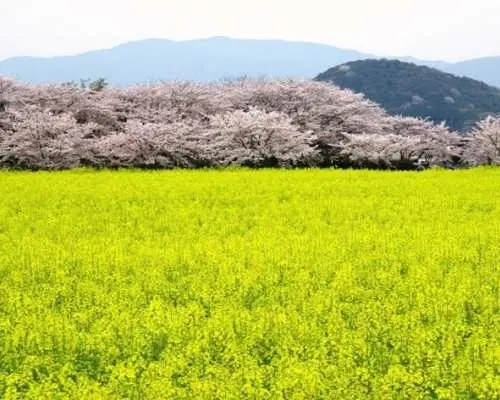
- Fujiwara Palace Ruins – Enjoy the striking spring scenery where bright yellow rapeseed flowers contrast beautifully with blooming cherry blossoms.
- Novotel Nara Lunch Buffet – Savor a generous buffet featuring over 30 Italian and international dishes.
- Naramachi Free Time – Stroll freely through the nostalgic streets of Naramachi, the historic old town of ancient Nara.
Sightseeing Tours
| Tour Type | Shared tour |
| Transportation method | Transfer from meeting point |
| Departure Time | Standard Departure (8-9 am) |
| Minimum participant requirement | 1 traveler |
| Meal arrangement | Lunch included |
Product Info
Purchase Notice
This tour is a Japanese tour. The tour conductor will provide language support using a translator (Pocket Talk).
This is not a private tour; you will enjoy the tour with other guests.
If the minimum number of participants (20) is not met by (14) days before the scheduled date, the tour on that date might be canceled.
The tour will operate regardless of the blooming conditions of cherry blossoms or rapeseed flowers.
(Yoshino Mountain – Typical best viewing periods: Shimo-senbon: late March to early April; Naka-senbon: early to mid-April; Kami-senbon: mid-April. Fujiwara Palace Ruins – Rapeseed flowers: early to mid-April; cherry blossoms: early April.)
Blooming periods are based on data from past years and may vary depending on weather conditions.
We recommend wearing comfortable clothing and easy-to-walk shoes.
Reminders
Important Notes During Bus Tour
Please refrain from drinking alcohol on the bus.
Members of the odd-numbered group may need to share seats with other passengers on the bus.
As stipulated by Japanese law, please wear your seat belt on the tour bus.
Please remain seated and avoid walking while the tour bus is moving.
Seating on the bus is assigned by H.I.S staff. Please do not change your seat during the tour.
Please be punctual and arrive at the designated meeting place on time. The bus will depart on time and will not wait for latecomers.
Latecomers who wish to rejoin the group will be responsible for all transportation fees.
8.Please wear the sticker provided by the tour guide visibly.
Avoid sticking the sticker on leather goods, as it may leave marks.
Do not use the seat reclining function or adjust the seat settings.
Please set all electronic devices, including mobile phones and game consoles, to silent mode.
Talking on mobile phones and making video calls are prohibited on the tour bus.
Smoking is strictly prohibited on the tour bus.
Arrival times at each sightseeing spot may vary depending on traffic conditions.
The use of drones for filming or other purposes is prohibited during the tour.
Please do not use perfume, sprays, or change baby diapers on the bus, as it may disturb other passengers.
Manage your valuable belongings yourself.
After the tour, please take all your trash with you and do not leave any on the bus.
Ensure you do not forget or leave any personal belongings on the bus after the tour.
For fruit-picking tours, please note that fruit is to be consumed only on the farm. Bringing it home in your own bag is strictly prohibited.
If you fail to follow these regulations and cause a disturbance on the bus, you may be asked to leave the bus, even during the tour.
Cancellation Policy
- Cancellations 11 day(s) (inclusive) before the selected date are allowed. Unused orders can be canceled for free
- For cancellations made 8 to 10 days prior to selected date, a cancellation fee of 20% will apply
- For cancellations made 2 to 7 days prior to selected date, a cancellation fee of 30% will apply
- For cancellations made 1 to 1 days prior to selected date, a cancellation fee of 40% will apply
- Cancellation is not allowed between 0–0 days from the selected date. Orders cannot be canceled or modified, and refunds will not be granted.
- Due to time zone differences, the confirmed cancellation date is based on the supplier’s local time. Please allow 2–5 business days to process your cancellation request, after which the cancellation fee will be charged according to the product’s cancellation policy. Once the cancellation is confirmed, you will receive your refund within 14 working days.
FAQ
Senbonzakura, which literally translates to 'one thousand cherry trees,' refers to the breathtaking spectacle of Mount Yoshino being entirely covered by tens of thousands of cherry trees. This creates a multi-layered effect across the mountain's four main areas: Shimo, Naka, Kami, and Oku Senbon. This concept highlights the extraordinary abundance and widespread beauty of the sakura, making Yoshino a nationally celebrated destination for cherry blossom viewing.
Yoshino Senbonzakura is considered one of Japan’s most prestigious cherry blossom destinations due to its unparalleled scale, historical prominence, and spiritual significance. The mountain is home to thousands of sakura trees, creating an iconic landscape that has been admired for centuries and referenced in traditional Japanese literature and art. This vast, naturally tiered display of blossoms offers an awe-inspiring experience that draws visitors from around the world.
The ideal period to visit Yoshino for the Senbonzakura cherry blossoms typically falls between late March and mid-April. However, the exact timing can vary slightly each year based on weather conditions. Yoshino's unique topography, with its different elevation levels (Shimo, Naka, Kami, and Oku Senbon), means that the blossoms bloom progressively from the lower to the upper slopes, offering an extended viewing period and varied peak times across the mountain.
At Fujiwara Palace Ruins, visitors can experience a distinct and striking cherry blossom scenery different from Yoshino's mountainous views. Here, soft pink cherry blossoms bloom alongside vibrant fields of bright yellow rapeseed flowers. This beautiful contrast creates a picturesque landscape, offering a unique photographic opportunity and a different aesthetic appreciation of spring's arrival, complementing the dense sakura spectacle of Yoshino.
During the peak cherry blossom season, the Yoshino Ropeway typically extends its operating hours to accommodate the increased number of visitors. While specific times may vary annually, it generally operates from early morning, around 6:20 AM, until late afternoon or early evening, often until 6:20 PM or later. It is advisable to verify the most current operating schedule from local information sources or the official ropeway website on your travel day.
During your allocated free time in Naramachi, the historic old town of ancient Nara, you can immerse yourself in its nostalgic atmosphere by strolling through well-preserved traditional streets. Visitors can explore charming shops offering local crafts and souvenirs, relax in quaint cafes, or discover various temples and shrines. This provides an excellent opportunity to experience the cultural heritage, local traditions, and unique ambiance of Nara's historic district.
The Yoshino Senbonzakura day tour includes a satisfying Italian lunch buffet at Novotel Nara. This buffet features a diverse selection of over 30 Italian and international dishes, ensuring a wide array of choices for different palates. It offers a comfortable and comprehensive dining experience to refresh and refuel during your springtime journey, providing a pleasant break amidst your exploration.
Yoshino Senbonzakura is famously divided into four main viewing areas: Shimo Senbon (lower), Naka Senbon (middle), Kami Senbon (upper), and Oku Senbon (inner). Each offers unique perspectives as the blossoms unfurl up the mountain. Shimo Senbon provides overall town views. Naka Senbon is known for its lively streets and temples. Kami Senbon offers expansive panoramic vistas, and Oku Senbon presents more secluded and ancient groves. Exploring these tiers allows for a comprehensive appreciation of the blossoms.
Get Help


