


Arimatsu/Narumi Shibori and Yukihana Shibori Tenugui Hand Towel Making Experience (Nagoya City, Aichi Prefecture, Japan, Cultural Experience)
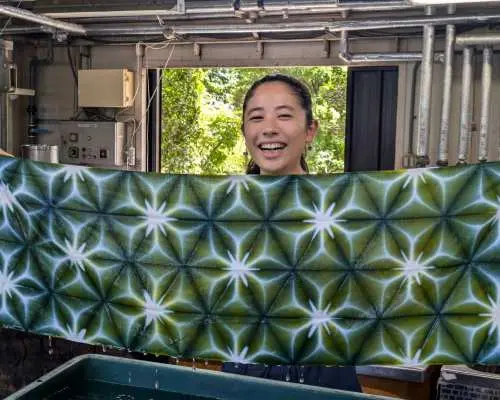
- This is an experience where you can dye a Japanese tenugui cloth using the snowflake dyeing technique.
- Anyone who loves handicrafts and dyeing, or anyone interested in traditional Japanese crafts, can experience the joy of making things. Even beginners can participate with peace of mind, as our artisans will provide careful instruction. We will also encourage those with experience in dyeing to try making various patterns in addition to basic designs.
- After dyeing, while the cloth is drying, you can enjoy chatting with the artisans over tea. If time permits, they will also tell you stories about the local area.
- This plan includes gifts such as tie-dyed handkerchiefs.
Package Options
Product Info
The content of this product is provided by machine translation and may not reflect the actual information, please take this into consideration before booking.
Listen to an explanation of tenugui making and Sekka-shibori (dyeing) for about 40 minutes.
You will fold the tenugui and dye it yourself. It will take about 50 minutes.
While your tenugui is drying, you can interact with the artisans (tea and sweets will be served).
We will spend time drinking tea, talking about shibori and the local area, and taking photos.
The craftsman will carefully explain the mechanism of Sekka Shibori and how to dye it.


Folding a Japanese Chita cotton tenugui into a triangle


You can choose your favorite color and pattern and dye it yourself.


Your Sekka dyeing is now complete. After this, we will let it dry as long as possible and then hand over the finished product to you.


Different patterns and colors will result in different results.


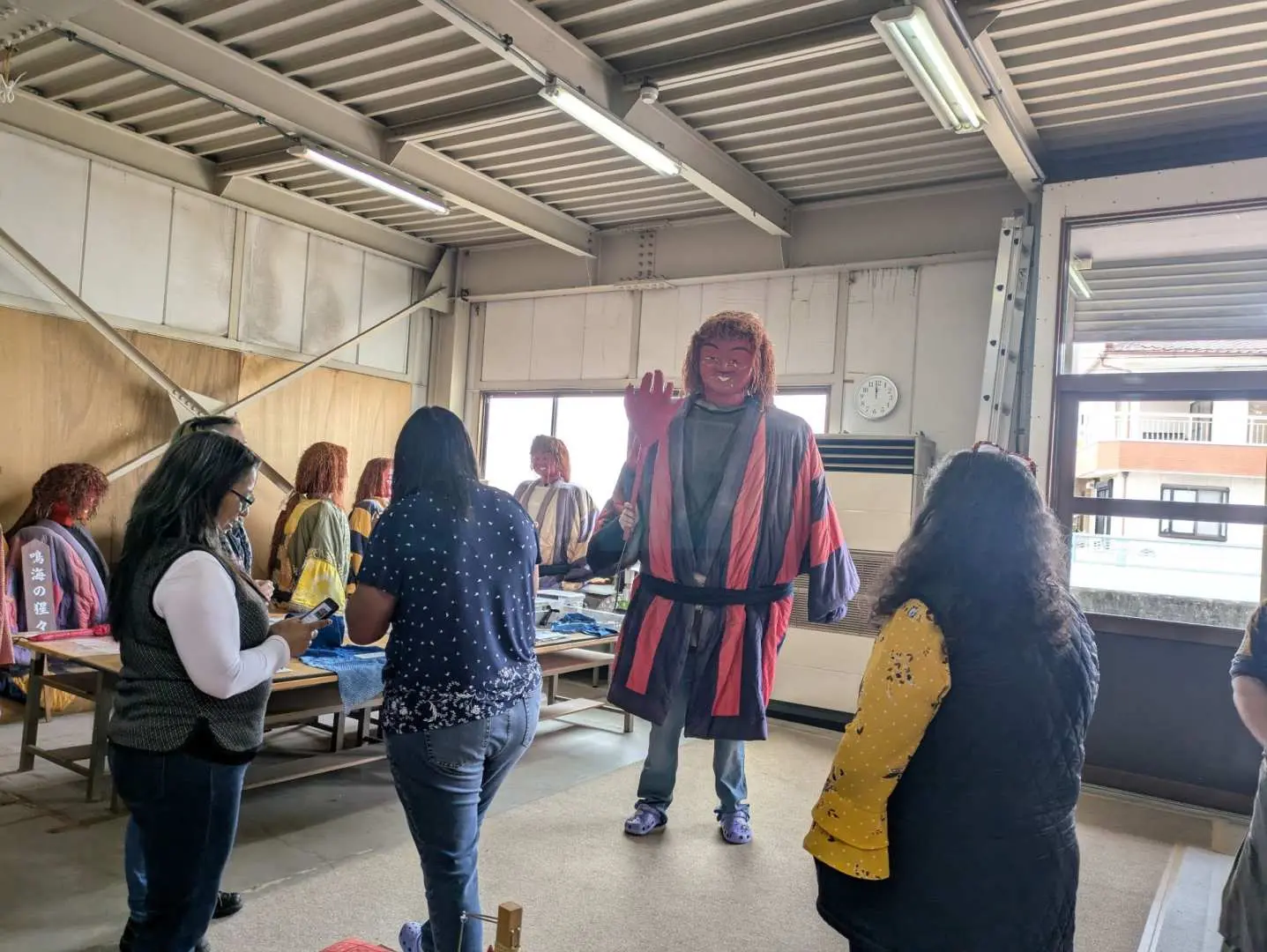
While your tenugui is drying, you can talk to the artisans about tie-dyeing and the local area (we may even be able to introduce you to local festivals).

What You Can Expect
1 Day
- 10:00Please come to our company on time. Look for the shop curtain. "The language of the guide will depend on the staff's availability on the day."
- 13:00Please come to our company on time. Look for the shop curtain. "The language of the guide will depend on the staff's availability on the day."


Important Info
Reminders
In case of delays caused by traffic, weather, or other force majeure factors resulting in the cancellation of some itinerary attractions, please contact customer service. We will arrange a partial refund for you
Please note that as this is a dyeing experience, your clothes may get dirty (aprons etc. will be provided). Also, your feet will get wet in the dyeing area. Please wear comfortable shoes.
How to Use
How to Use Your Voucher
- Please present your e-voucher and passport on-site
Experience Location
Location Name: Konsei Limited Company
Address: 21 Shimonaka, Narumi-cho, Midori-ku, Nagoya City, Aichi Prefecture, 458-0801
Monday 09:00–17:00
Tuesday 09:00–17:00
Wednesday 09:00–17:00
Thursday 09:00–17:00
Friday 09:00–17:00
Saturday Closed
Sunday Closed
FAQ
Arimatsu-Narumi Shibori is a traditional Japanese tie-dyeing craft known for its intricate patterns. The Snowflower Shibori technique, specifically used in this hand towel making experience, creates beautiful snowflake-like designs by folding the fabric into triangles like origami, then clamping it between boards before dyeing. This method allows for unique patterns to emerge based on the dyeing location.
Participants will create their own hand towel (Tenugui) made from Chita cotton using the traditional Snowflower Shibori dyeing technique. The process involves folding a white hand towel into triangles and dyeing it to produce distinctive snowflake-like patterns. The final design will vary based on individual dyeing choices, making each hand towel a unique piece of art.
Yes, the Arimatsu-Narumi Snowflower Shibori hand towel making experience is suitable for beginners and can be enjoyed by small children with adult supervision. Craftsmen provide slow and careful instruction to ensure that even first-time participants feel comfortable and can safely complete the dyeing process. Experienced dyers can also receive suggestions for creating more complex patterns.
Arimatsu Shibori has a rich history as a traditional Japanese craft. Historically, the snowflake-like patterns of Snowflower Shibori were even used for practical items like diapers during the Showa era. Today, it remains highly relevant, with these popular patterns adorning high-end yukata. Participating in a hand towel making experience allows visitors to connect directly with this enduring craft and its artistic legacy.
To reach the Arimatsu area for the Shibori hand towel making experience, visitors can typically use public transportation. Detailed access information, including specific train lines and stations, should be confirmed closer to the travel date. Once in Arimatsu, the experience location is usually accessible within the historic townscape.
During the Arimatsu-Narumi Shibori hand towel making experience, after the dyeing is complete and while the fabric is drying, participants have the opportunity for cultural exchange. You can enjoy interacting with the skilled craftsmen over tea, learning more about Shibori techniques and local stories. This offers a deeper insight into the craft and the region.
The 'Snowflower Shibori' technique involves a specific folding and dyeing method. Participants fold a white hand towel into a triangular shape, similar to origami. This folded fabric is then carefully clamped between boards before being dipped into dye. The clamped areas resist the dye, resulting in distinct, symmetrical, snowflake-like patterns unique to where the dye penetrates the fabric.
In addition to the custom Snowflower Shibori hand towel that participants create themselves, this experience also includes a gift. Participants will receive a tie-dyed handkerchief as a special memento of their visit and engagement with the traditional Arimatsu-Narumi Shibori craft.
Get Help


