


Traditional Japanese Kamado Cooking Experience in Kagoshima
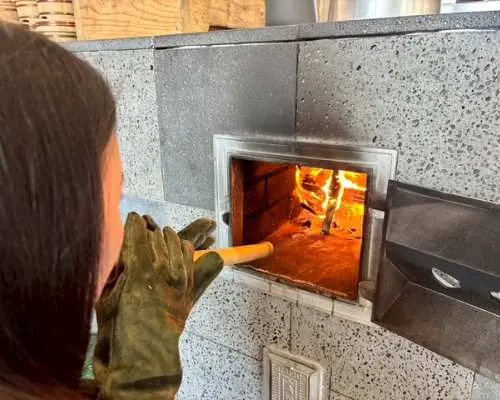
- Traditional Cooking: Master the ancient art of rice cooking using a classic "Okudosan" (wood stove) and firewood.
- Sensory Adventure: A rare 5-Sense experience (sight, sound, smell, touch, taste) culminating in the perfect grain.
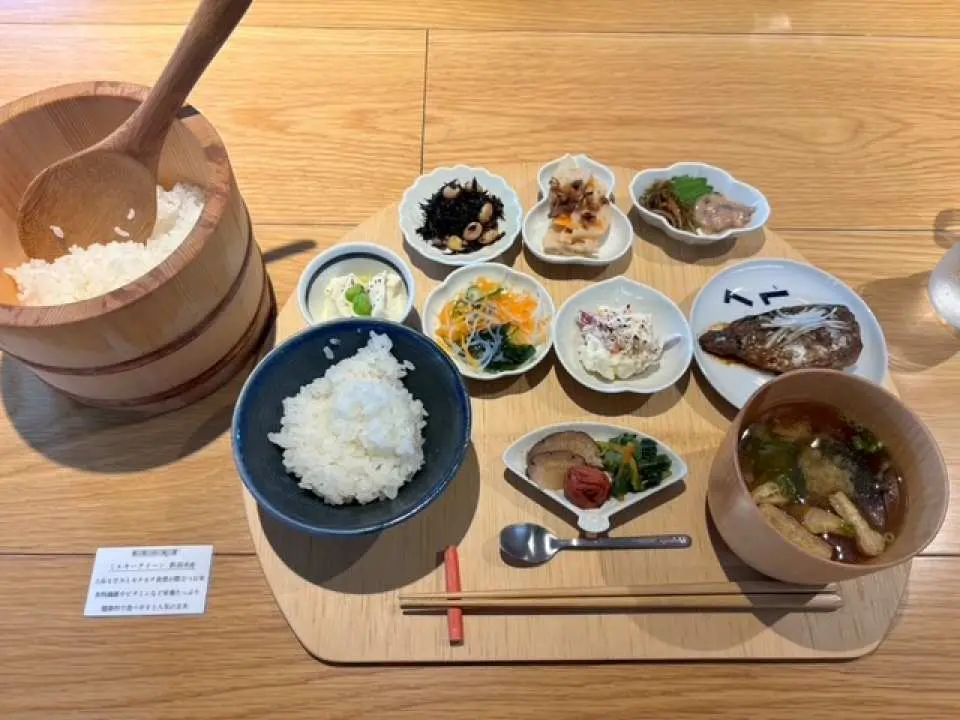
- Ultimate Flavor: Taste the best rice of your life—a truly extraordinary, authentic Japanese flavor.
Package Options
Cultural Experiences
| Activity time | Morning |
| Transportation method | Get there on your own |
| Location | Indoor |
| Activity level | Beginner |
| Cuisine type | Japanese cuisine |
Product Info
What You Can Expect
1 Day
- 10:00Please come directly to the store.
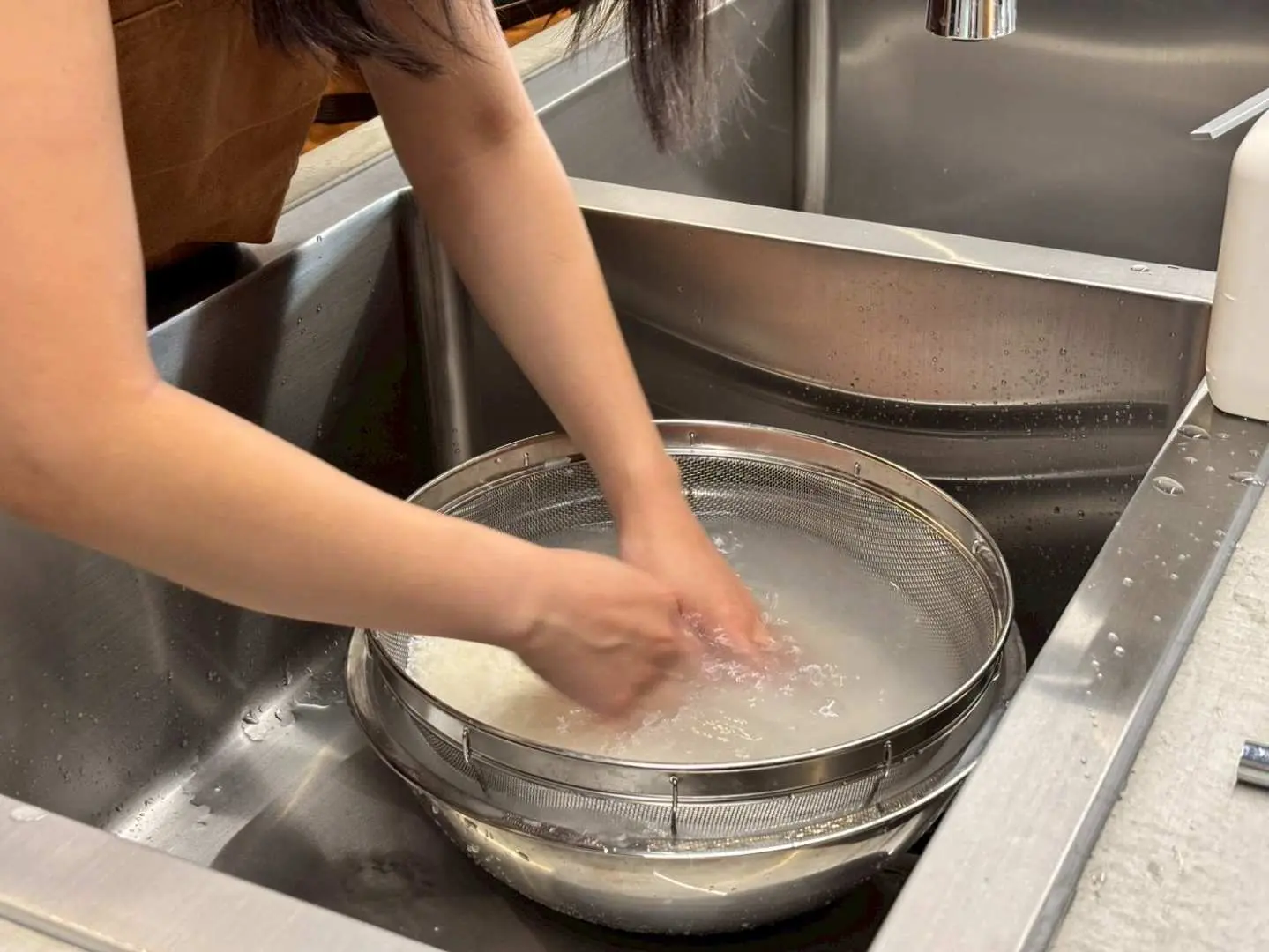
- We will first guide you through the secrets of cooking delicious rice.
- Afterwards, you will light the fire with firewood and cook the rice yourself.
- 11:30Once the rice, cooked in the iron pot over a wood fire, is ready... it's time to eat!




Purchase Notice
Please make a reservation from 1 people or more.
Please inform us in advance if you have any allergies or dietary restrictions.
Unavailable on Sundays and Japanese National Holidays.
Includes/Excludes
Reminders
Punctuality: Arrive 10 minutes early!
Location Check: Confirm the address for Rice Style Shop Harada now.
Enjoy: Get ready for the best rice you've ever had!
How to Redeem Your Voucher
How to Use Your Voucher
- Please present the e-voucher on-site
Experience Location
Location Name: Rice Style Shop Harada
Address: 2454-1 Ichino, Hiwakicho, Satsumasendai City, Kagoshima PrefectureCancellation Policy
- Cancellations 11 day(s) (inclusive) before the selected date are allowed. Unused orders can be canceled for free
- For cancellations made 8 to 10 days prior to selected date, a cancellation fee of 20% will apply
- For cancellations made 2 to 7 days prior to selected date, a cancellation fee of 30% will apply
- For cancellations made 1 to 1 days prior to selected date, a cancellation fee of 40% will apply
- Cancellation is not allowed between 0–0 days from the selected date. Orders cannot be canceled or modified, and refunds will not be granted.
- Due to time zone differences, the confirmed cancellation date is based on the supplier’s local time. Please allow 2–5 business days to process your cancellation request, after which the cancellation fee will be charged according to the product’s cancellation policy. Once the cancellation is confirmed, you will receive your refund within 14 working days.
FAQ
Participants often encounter a learning curve with fire management, including controlling the intensity of the wood fire and maintaining consistent heat. Issues like smoke exposure and the need for patience are also common. However, these challenges are an integral part of mastering the ancient cooking art, and experienced instructors provide guidance to ensure a rewarding process.
The 'Okudosan' clay stove is unique due to its exceptional heat retention properties, allowing for even and consistent cooking of rice. Its traditional design, combined with the use of firewood, imparts a distinct, subtle smoky aroma to the rice that cannot be replicated by modern cooking methods. This traditional setup ensures an authentic flavor and texture, enhancing the overall culinary result.
Cooking rice in an 'Okudosan' Traditional Japanese Kamado enhances the final flavor by achieving a superior texture that is both fluffy and slightly chewy, with each grain perfectly cooked. The unique heat distribution and subtle infusion of wood smoke create a rich aroma and deepen the rice's natural sweetness and umami, resulting in an extraordinary and authentic Japanese taste.
Participants can expect profound cultural immersion and a hands-on learning experience, mastering an ancient Japanese culinary art. The value comes from engaging all five senses, from handling firewood to tasting the freshly cooked, extraordinary rice. It offers a rare opportunity to connect with traditional practices, acquire new culinary skills, and create lasting memories of authentic Japanese flavor.
The craftsmanship of an 'Okudosan' clay stove involves meticulous shaping of specific types of clay to ensure optimal heat retention and distribution. Traditional kiln firing techniques are used to strengthen the stove's structure, making it durable and efficient. Artisans carefully design the stove's airflow to facilitate proper combustion of firewood, a skill passed down through generations to preserve this essential cooking vessel.
The Kamado cooking experience engages all five senses: Sight observes the dancing flames and steam rising from the cooking rice; Sound hears the crackling firewood and gentle bubbling of water; Smell inhales the fragrant wood smoke and aromatic cooking rice; Touch feels the warmth of the stove and the texture of the firewood; Taste culminates with the extraordinary, freshly cooked authentic Japanese rice.
Participants should come prepared for a hands-on culinary adventure. It is recommended to wear comfortable clothing that can withstand potential smoke or soot, as you will be working directly with a wood fire. An open mind and willingness to learn from expert instructors are beneficial for fully embracing this unique traditional cooking method.
Firewood serves as the primary heat source, providing a radiant and consistent warmth essential for perfectly cooked rice. Beyond just heat, burning firewood imparts a subtle, natural smoky essence that infuses the rice, creating a distinct and authentic flavor profile. The careful management of specific firewood types and burning duration contributes significantly to the unique aroma and taste of the finished dish.
Get Help


