


Hanoi: Rose Kitchen Evening Cooking, Market & Flag Ceremony
- Savor the flavors of Vietnam with a hands-on cooking class in Hanoi
- Choose between making Bun Chả or Pho and enjoy your creation
- Sip on a specialty Vietnamese coffee, like Egg Coffee or Coconut Coffee
- Explore a local market and learn about the ingredients used in Vietnamese cooking
- Witness the Flag Lowering Ceremony at Ba Dinh Square, a moving ritual
Package Options
Product Info
What You Can Expect
1 Day
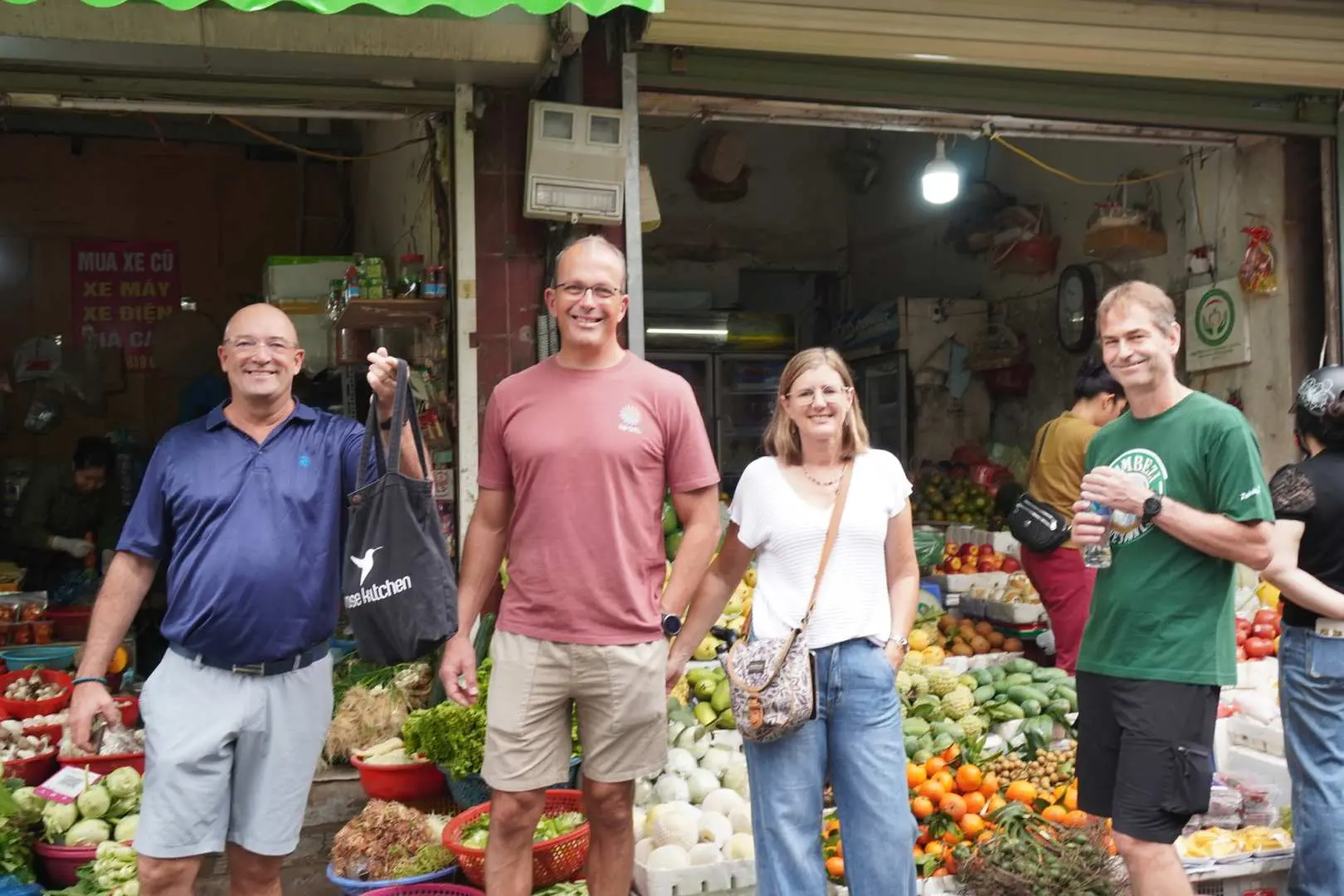
- PICK-UP & MARKET VISIT Begin your evening with a convenient pickup from Hanoi’s Old Quarter, the bustling heart of the city. Immerse yourself in the lively rhythms of a local market, where vibrant produce and fragrant herbs reveal the secrets of Vietnamese cooking.
- HANDS-ON COOKING CLASS Head to a local kitchen space for your immersive cooking session. Under the storyteller’s guidance, prepare Bún Chả (grilled pork noodles) or Phở (Vietnam’s iconic noodle soup). Then, learn to make one of Hanoi’s signature coffees - Egg Coffee, Coconut Coffee, or Salt Coffee. As you cook, discover the cultural stories, family traditions, and symbolism behind each dish.
- SHARED MEAL EXPERIENCE Gather afterward around a cozy, family-style table to enjoy the dishes you’ve created, just as Vietnamese families do - sharing food, stories, and laughter.
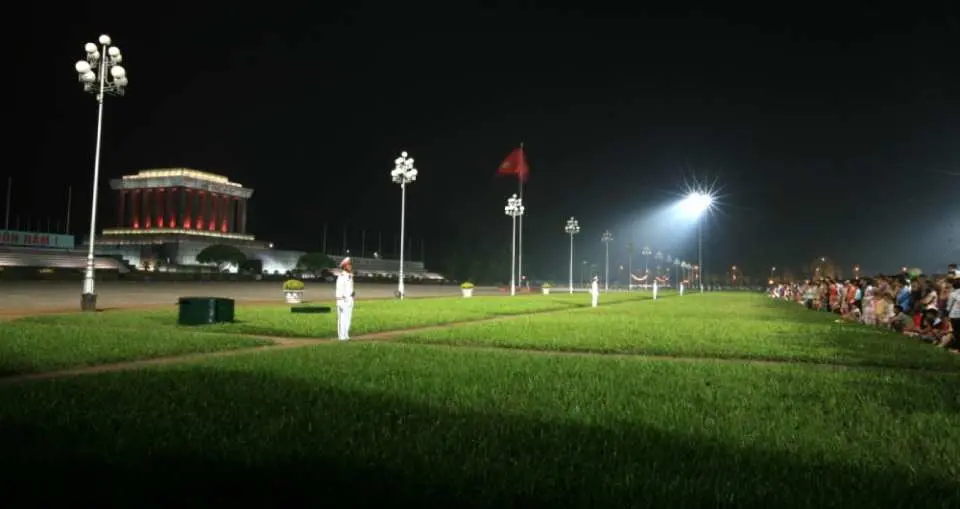
- FLAG LOWERING CEREMONY AT BA DINH SQUARE As the evening continues, head to Ba Dinh Square, home to the Ho Chi Minh Mausoleum. Here, witness the solemn Flag Lowering Ceremony, a moving ritual of national pride. Take time to stroll the surrounding cultural landmarks, from the grandeur of the Presidential Palace to tranquil bamboo groves, reflective fish ponds, and the French Quarter’s colonial charm.
- RETURN TRANSFER Relax as you are driven back to your hotel, carrying with you the flavors, stories, and spirit of Hanoi’s evening culture.
- Get familiar with aromatic herbs, spices, and essential ingredients that define Vietnamese cuisine.
- Cook authentic Vietnamese dishes step-by-step under the guidance of friendly local chefs. Everyone has their own cooking station and utensils.
- Hear stories behind each recipe and understand how Vietnamese cuisine reflects culture, tradition, and family values.
- Sit down and savor your creations together with other participants in a cozy, homely atmosphere.
- Meet fellow travelers from around the world, take beautiful photos, and bring home memories along with new cooking skills.





Purchase Notice
In case of operator cancellation due to unforeseen circumstances (e.g. extreme weather, safety concerns), guests may choose a full refund or reschedule at no extra cost.
How to Redeem Your Voucher
How to Use Your Voucher
- Please present the e-voucher on-site
Pickup Point
Location Name: Hanoi Old Quarter
Address: Old Quarter, Hoàn Kiếm, Hanoi, VietnamFAQ
The Rose Kitchen class delves into the fundamental principles of Vietnamese cuisine, often highlighting the balance of five elements: spicy, sour, bitter, salty, and sweet. Participants will learn how these flavors are harmoniously combined using fresh herbs, aromatic spices, and staple ingredients to create authentic dishes. The importance of texture and presentation in Vietnamese meals is also emphasized.
Participants in the Rose Kitchen cooking class will learn traditional methods such as stir-frying, steaming, simmering, and grilling. Emphasis is placed on techniques that preserve the freshness and natural flavors of ingredients, like preparing fresh spring rolls or mastering the perfect broth for Pho. These hands-on methods provide a deeper understanding of authentic Vietnamese culinary practices.
The Rose Kitchen experience often highlights how Vietnamese cuisine has been shaped by various cultural influences. Discussions may cover the impact of Chinese cooking traditions, the use of French ingredients and techniques, and regional variations within Vietnam that contribute to its rich culinary diversity. This provides context to the dishes prepared.
At the local market visited during the Rose Kitchen cooking experience, visitors can discover a vibrant array of fresh ingredients. This includes exotic herbs like cilantro, basil, and mint, various spices, local vegetables, different types of noodles, and fresh meats or seafood. The market visit offers insight into selecting quality produce essential for Vietnamese dishes.
In the Rose Kitchen cooking class, participants typically choose to learn how to prepare iconic Vietnamese dishes such as Bun Chả (grilled pork with vermicelli noodles) or Pho (a traditional noodle soup). The class provides step-by-step guidance on creating these specialties from scratch, including making savory broths, preparing fresh accompaniments, and mastering flavor profiles.
During the Rose Kitchen evening cooking class, participants can savor distinct Vietnamese coffee specialties. Options often include the rich and creamy Egg Coffee (Cà Phê Trứng), a unique Hanoi invention, or the refreshing Coconut Coffee (Cà Phê Cốt Dừa). These beverages offer a delightful taste of Vietnam's vibrant coffee culture.
The Flag Lowering Ceremony at Ba Dinh Square holds deep national significance for Vietnamese people, symbolizing national pride and remembrance. For visitors, witnessing this solemn and precise ritual offers a profound cultural insight into Vietnam's history and respect for its heroes, including Ho Chi Minh, whose mausoleum is located there. It's a moving experience.
Beyond the recipes, the Rose Kitchen cooking class often provides cultural insights into Hanoi cuisine, such as the local eating customs, the importance of communal dining, and the social role of food in Vietnamese families. Participants learn about the historical context of dishes and how Hanoi's vibrant street food culture influences home cooking.
Get Help


