


[Arita Town, Saga Prefecture] Come empty-handed! Arita ware accessory making experience!
- Experience Arita ware, a 400-year-old tradition
- One-of-a-kind accessories made from porcelain beads and metal
- Don't worry if it's your first time! Teacher support is included
- You can take it home as it is, making it the perfect souvenir from your trip.
Package Options
Cultural Experiences
| Transportation method | Get there on your own |
| Location | Indoor |
| Activity level | Beginner |
| Experience type | Jewelery making |
| Minimum participant requirement | 1 traveler |
Product Info
What You Can Expect
1 Day
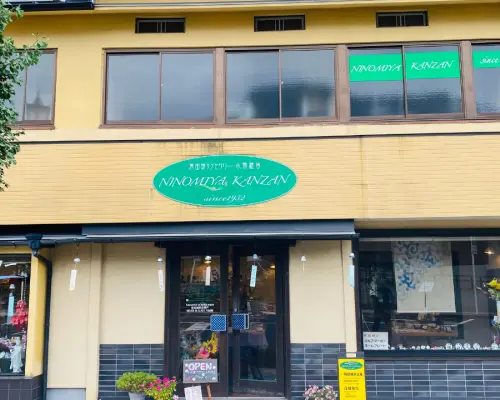
- Please come directly to NINOMIYA KANZAN in front of Arita Station at the time of your reservation.
- The store is lined with products made with Arita ware!
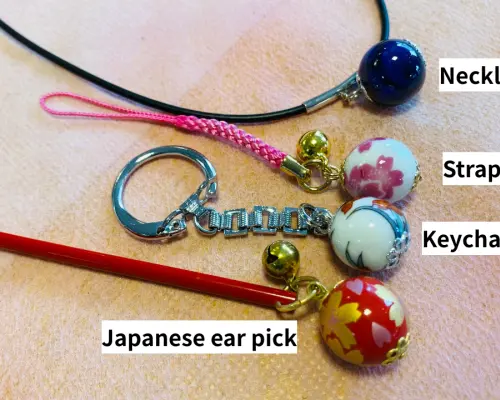
- Choose two items of your choice from necklaces, straps, key chains, and earpicks.
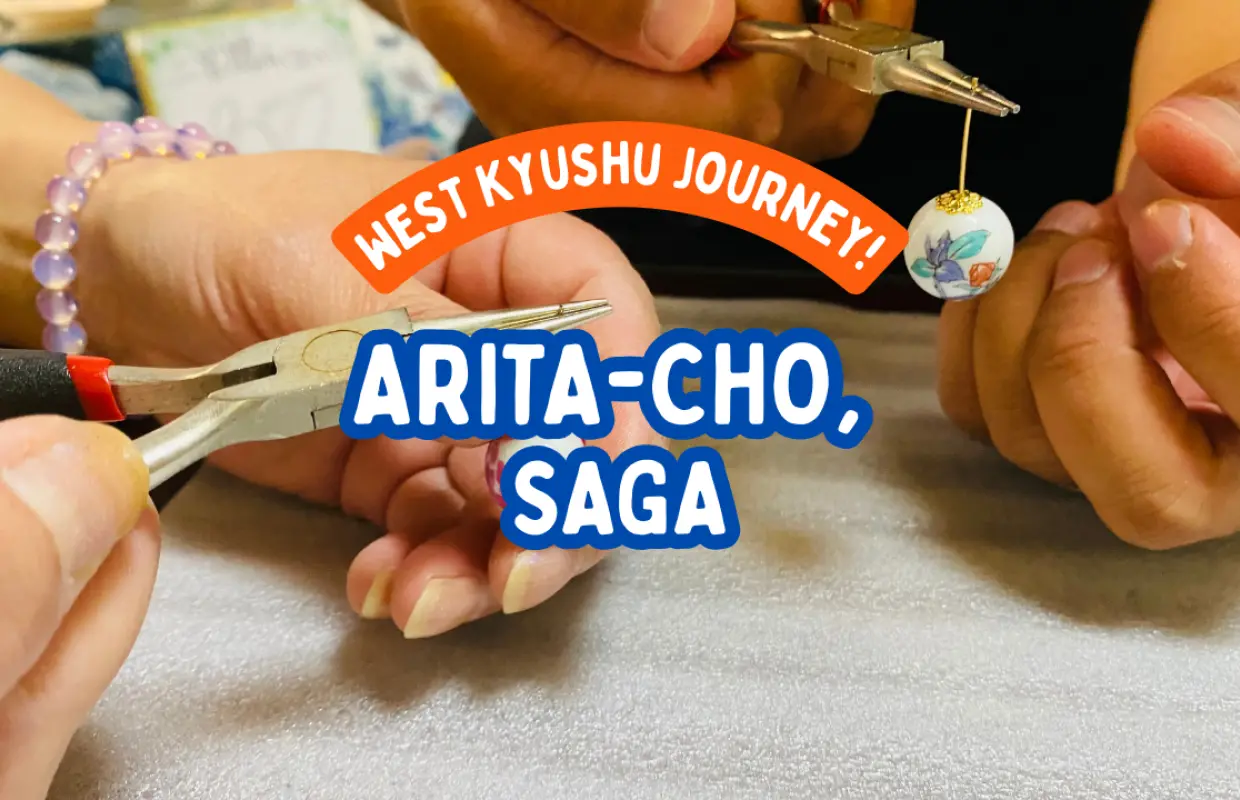
- Choose your favorite porcelain ball and enjoy the experience of making it with the careful support of the instructor.
- My very own original strap is complete! *You can take your finished product home with you!


Purchase Notice
If the tour is cancelled due to circumstances beyond our control, we will refund the full participation fee.
Includes/Excludes
Reminders
Please come directly to NINOMIYA KANZAN, located in front of Arita Station.
The guided tour is in Japanese.
How to Redeem Your Voucher
How to Use Your Voucher
- Please present the e-voucher on-site
Meeting Point
Location Name: Ninomiya Kanzan Arita Station Branch
Address: 993 Honmachi Hei, Arita-cho, Nishimatsuura-gun, Saga Prefecture, 844-0018Cancellation Policy
- Cancellations 1 day(s) (inclusive) before the selected date are allowed. Unused orders can be canceled for free
- Cancellation is not allowed between 0–0 days from the selected date. Orders cannot be canceled or modified, and refunds will not be granted.
- Due to time zone differences, the confirmed cancellation date is based on the supplier’s local time. Please allow 2–5 business days to process your cancellation request, after which the cancellation fee will be charged according to the product’s cancellation policy. Once the cancellation is confirmed, you will receive your refund within 14 working days.
FAQ
Arita ware is indeed a type of porcelain. It is primarily made from local kaolin clay found in the Izumiyama quarry within Arita Town. This specific clay, rich in silica and alumina, allows for firing at extremely high temperatures, resulting in a hard, non-porous, translucent material. This composition and firing process are defining characteristics of true porcelain, distinguishing Arita ware from other ceramics like earthenware or stoneware.
Arita ware refers to porcelain produced in Arita Town, the birthplace of Japanese porcelain. Imari ware, on the other hand, historically refers to Arita porcelain that was shipped from the port of Imari for export. While both share the same production origin, the term "Imari ware" often describes a specific decorative style, usually more opulent with rich colors like red, gold, and blue, designed to appeal to European markets. Arita ware, while encompassing various styles, includes more refined and subtle designs, focusing on intricate patterns and delicate artistry.
To maintain the beauty of Arita ware accessories, handle them gently to prevent chips or cracks. For cleaning, use a soft, damp cloth to wipe the porcelain beads, avoiding abrasive cleaners that could damage the glaze. For any metal components, polish them with a jewelry polishing cloth if needed. Store accessories in a separate pouch or box to prevent scratching from other items and keep them away from direct sunlight or extreme temperatures.
Getting around Arita Town is possible through various local transportation options. The JR Sasebo Line connects Arita Station to major cities. Within the town, local community buses operate on specific routes, and taxis are available, especially around Arita Station. Many of Arita's historical sites, shops, and some kilns are within walking distance in the main pottery district, offering a pleasant way to explore on foot. Renting a car also provides flexibility for visiting more remote areas.
To reach Arita Porcelain Park from Arita Station, the most convenient method is usually by taxi, which takes approximately 10-15 minutes. Alternatively, there are local buses that may go in the direction of the park, though their frequency can vary. It's advisable to check the latest bus schedule at Arita Station or consult with local information centers upon arrival to plan your journey effectively.
Yes, visitors can absolutely tour traditional Arita ware kilns in Arita Town. Many active kilns and workshops welcome visitors, offering insights into the production process, from shaping clay to firing. Some well-known kilns provide guided tours or opportunities to see historic climbing kilns (Noborigama). It is recommended to check with the Arita Tourism Association or local information centers for a list of kilns open to the public and their visiting hours to plan a comprehensive tour.
An Arita ware accessory making experience typically involves selecting beautiful Arita porcelain beads and then attaching them to metal components to create a unique piece, such as a necklace or earrings. This hands-on activity allows you to craft a one-of-a-kind souvenir. It is highly suitable for beginners, as expert teachers provide full support and guidance throughout the process, ensuring everyone can successfully complete their own original accessory, even with no prior experience.
Get Help


