


Kumano Kodo and Kumano Sanzan Day Trip from Osaka
- Groups can be formed with 1 person or more, and small, boutique groups of up to 20 people are also possible.
- Pick-up and drop-off services are available from two meeting points: Shinsaibashi and Nipponbashi in Osaka.
- A one-day tour of multiple attractions along the Kumano Kodo: Kumano Hongu Taisha Shrine, Daimonzaka Slope to Kumano Nachi Taisha Shrine, Nachi Falls, Hiryu Shrine, Kumano Hayatama Taisha Shrine, and finally, to Tetsugawa Onsen to relax before returning home.
- Please note that the journey takes a long time; the one-way trip from Osaka to Kumano Kodo takes approximately 3 hours or more.
- A professional driver and tour guide, fluent in Chinese and Japanese, and working hard to learn English.
- Download the KKDay app now to book your trip with one click and easily manage your travel information.
Package Options


Product Info
The content of this product is provided by machine translation and may not reflect the actual information, please take this into consideration before booking.
Kumano Kodo Kumano Sanzan Day Trip: Minimum booking for one person, this tour takes you to explore all three sacred mountains of Kumano in a single day! Stroll along the ancient stone steps leading to the pilgrimage sites, immersing yourself in the hidden paradise where pristine forests and waterfalls intertwine. A full day of in-depth exploration of the three sacred sites: witness the solemnity of the vermilion shrine at Hayatama Taisha Shrine, gaze upon the breathtaking Nachi Falls, and pay homage to the gods at Kumano Hongu Taisha Shrine, completing a spiritual cleansing that transcends time!
The temple is headed by the deity Kumano Hayatama, and is dedicated to 12 other deities. Within its grounds stands a sacred tree, the Nagi tree, said to be 1000 years old. Dolls made from the fruit of this tree are believed to bless marriages and marital harmony, and are therefore very popular.

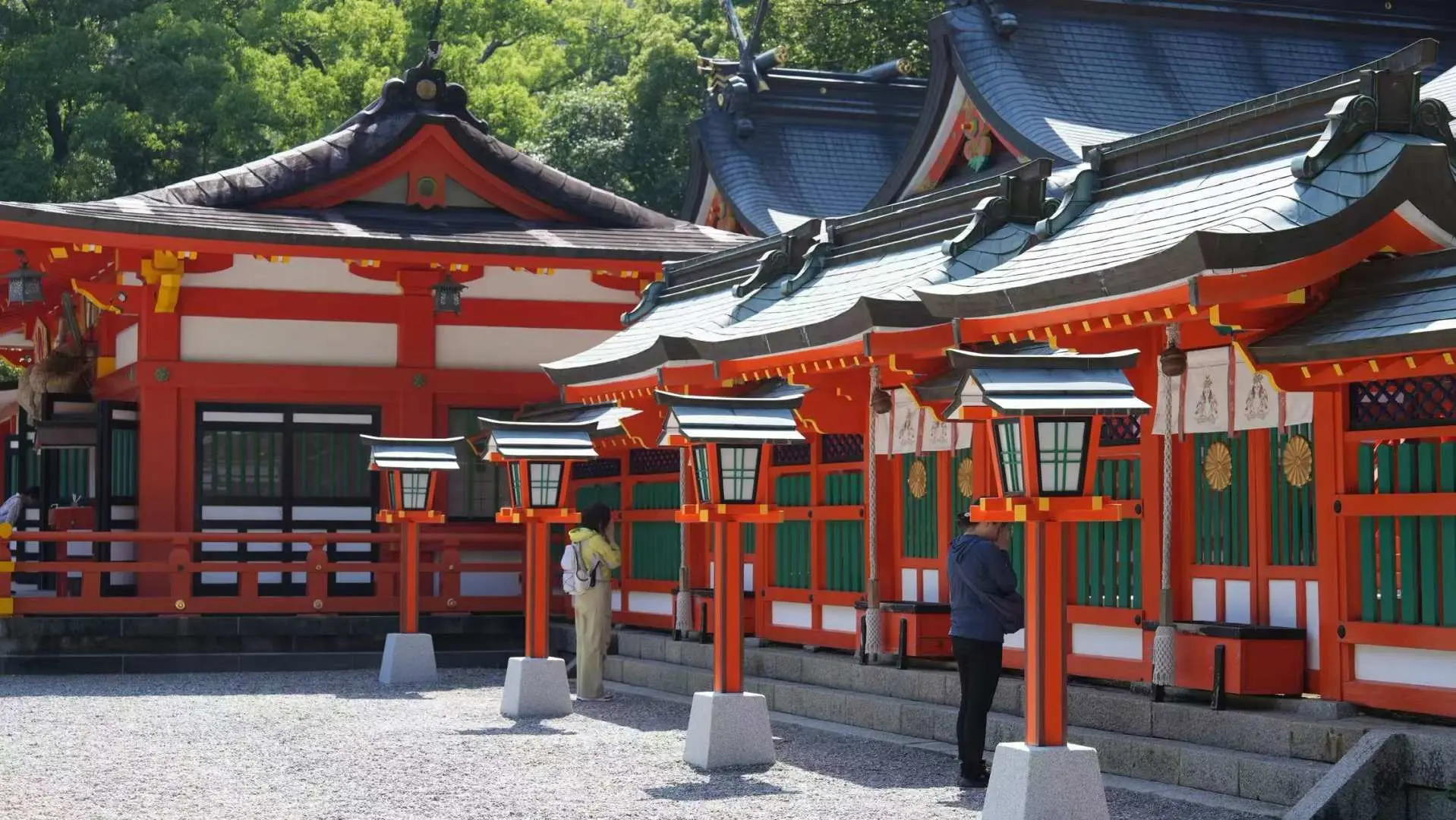
From Daimon-zaka, walk along the stone path through an ancient cedar forest with trees that are about 800 years old. After reaching the top of the slope, you can also go to Seigan-do Temple, Kumano Nachi Taisha Shrine, and Nachi Falls.


Seigan-to-ji Temple originates from the story of the monk Narogyo, who, while practicing asceticism at Nachi Falls, attained enlightenment regarding the Kannon statue and built a thatched hut. It is also the first of the thirty-three sacred sites dedicated to Kannon in western Japan. From the shrine's approach, one can directly admire the waterfall and experience the sacred space where nature and faith are seamlessly integrated.


Located beside Nachi Falls, Kumano Nachi Taisha Shrine is one of the three sacred mountains of Kumano and has attracted numerous worshippers since ancient times. The shrine's architecture is beautiful, conveying a profound sense of history and faith. Kumano Nachi Taisha Shrine considers Nachi Falls sacred and worships the falls themselves as sacred objects.


All the roads in the World Heritage Site "Sacred Sites and Pilgrimage Routes of the Kii Mountains" lead to the sacred site of Kumano Hongu Shrine.

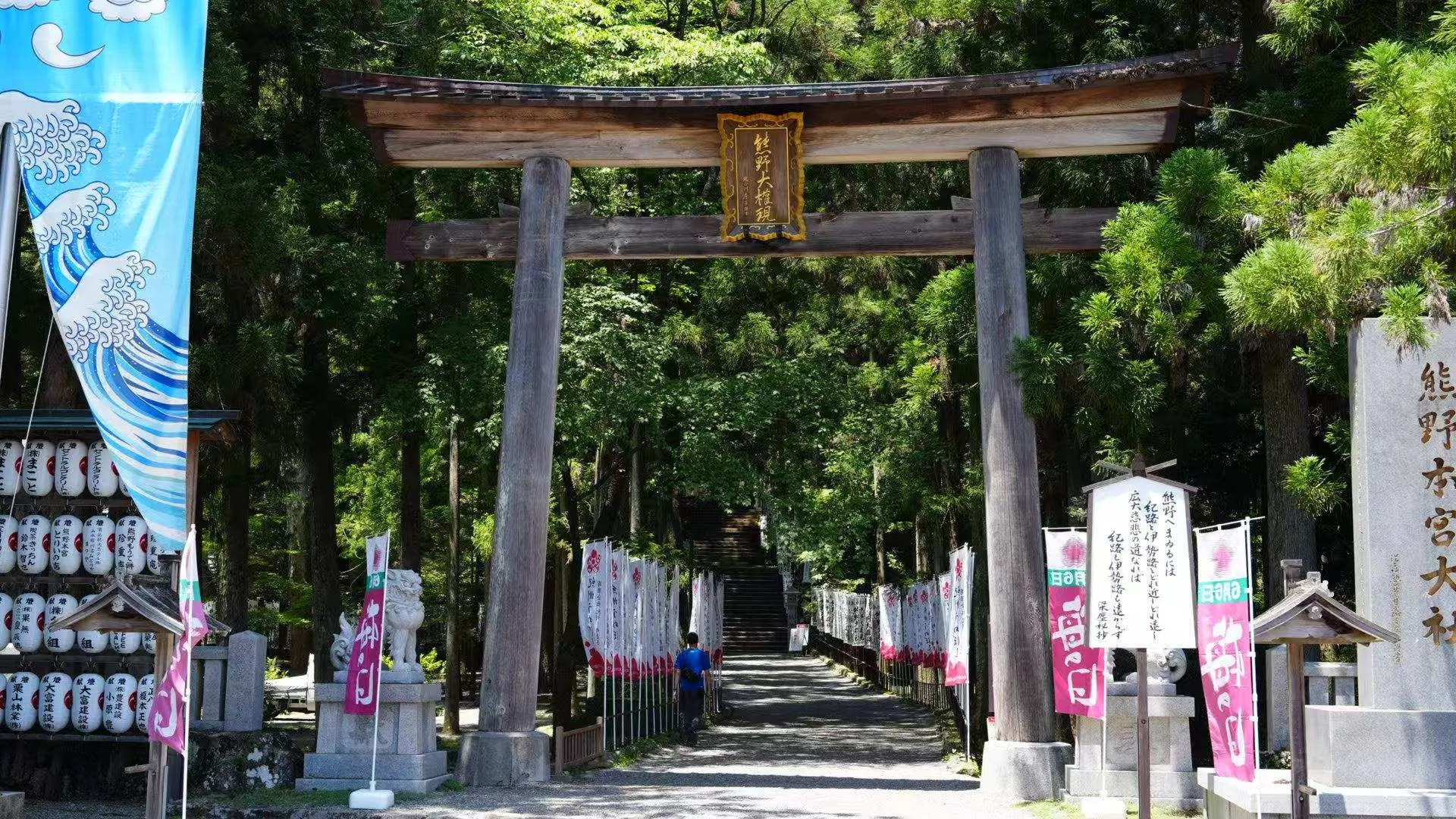
The Great Torii Gate, standing 33.9 meters tall and 42 meters wide, is the largest torii gate in Japan. Now, with the cherry blossoms just beginning to bloom, a spring pilgrimage is quietly unfolding.


Stroll along the Kumano Kodo trails and stop briefly at the Totsukawa foot bath hot springs, letting the warm waters soothe your tired feet and feel the gentle embrace of the mountains and forests.


FAQ
For walking sections like Daimonzaka, it's recommended to wear comfortable walking shoes or light hiking boots with good grip, as the path can be uneven and involve stairs. Dressing in layers is also advisable due to varying weather conditions. Bringing a small backpack for water, snacks, and a raincoat is practical for your day trip.
The Daimonzaka trail itself typically takes about 40-60 minutes to ascend to Kumano Nachi Taisha Shrine, depending on individual pace. This path involves around 267 stone steps through a beautiful cedar forest. The tour's itinerary allows sufficient time to enjoy this scenic walk and explore the shrine and Nachi Falls thoroughly.
The physical intensity for visiting Kumano Nachi Taisha and walking parts of Daimonzaka is moderate. While Daimonzaka involves a significant number of stone steps, it is manageable for most individuals with average fitness. The tour provides convenient transportation between sites, so extensive long-distance hiking is not required, focusing more on scenic walks at key attractions.
Daimonzaka is famous for its ancient stone staircase lined with towering cedar trees, offering iconic views and excellent photo opportunities, especially with traditional attire rentals. Nachi Falls, Japan's tallest waterfall, provides breathtaking vistas, particularly when combined with the vibrant pagoda of Seiganto-ji Temple, creating a truly picturesque scene for photography. Hiryu Shrine, located at the base of the falls, also offers unique perspectives.
The day trip departs from two convenient meeting points in Osaka: Shinsaibashi or Nihonbashi. The journey from Osaka to the Kumano Kodo region, where the shrines are located, is quite long. The one-way travel time by vehicle to the first site, such as Kumano Hayatama Taisha Shrine, is approximately 3 hours or more.
At Kumano Hongu Taisha Shrine, visitors can experience one of the three grand shrines of Kumano. Highlights include exploring the traditional architecture of the main shrine complex and visiting Oyunohara, the original site of the shrine, which features Japan's largest torii gate. This offers a profound sense of history and spiritual significance within the sacred landscape.
The professional tour guide provided for the Kumano Kodo and Kumano Sanzan day trip is fluent in both Chinese and Japanese. Additionally, the guide is actively working to learn English, aiming to provide comprehensive assistance and cultural insights to a broader range of international visitors, ensuring a comfortable and informative experience.
Yes, the itinerary for the Kumano Kodo day trip includes a stop at Totsukawa Onsen for relaxation before returning to Osaka. Guests will have time to enjoy the hot springs. Specific facilities at Totsukawa Onsen typically include various types of baths, offering a soothing experience amidst nature to unwind after exploring the Kumano Kodo sites.
Get Help


