


atevetevelji Paiwan Tribal Life Hunter Experience | 2 Days 1 Night
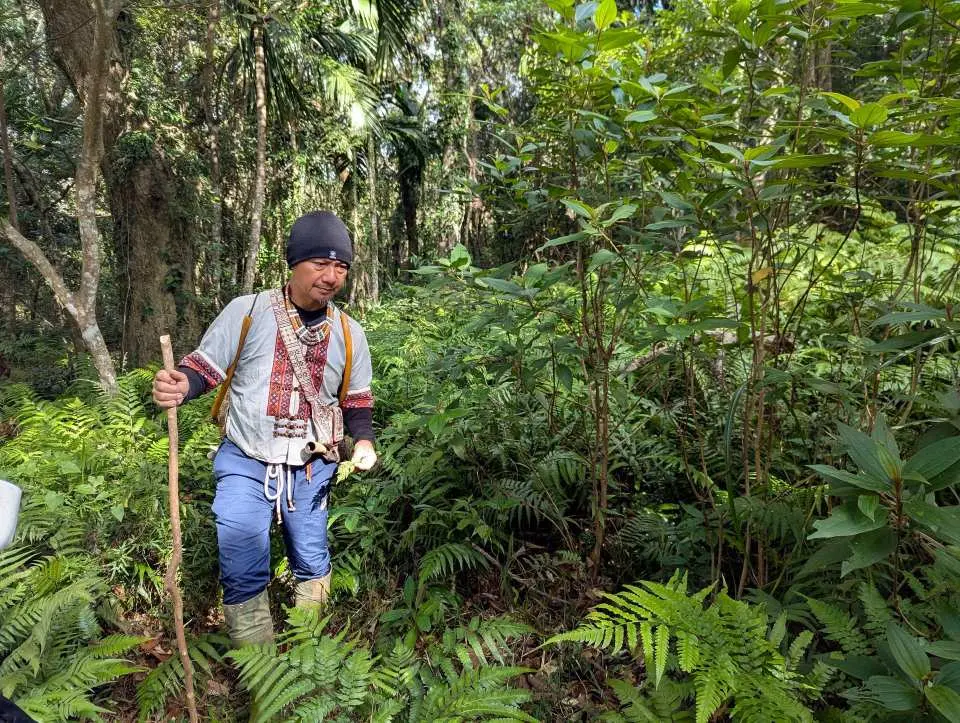
Collect native ingredients
Slingshot making
Tribal Forest Camping
Tribal self-sufficient family dinners using seasonal local ingredients
Learn to use plants to start a fire
Setting shrimp traps to catch shrimp in streams
Sustainable environmental tourism
Sustainable local tourism
Product Info
What You Can Expect
1 Day
- 10:00Kaohsiung Zuoying High Speed Rail Station
- 12:30Lunch - Batshua Living Academy (own expense)
- 13:30Tribal blessing ceremony
- 14:00Slingshot making - live-fire shooting experience
- 15:40Setting shrimp traps - gathering native forest ingredients
- 16:00Setting up tents - lighting a fire to cook soup - preparing dinner together
- 18:00Paiwan Tribal Family Dinner
- 20:00Tribal Stories After Dinner


2 Day
- 08:30Breakfast Time
- 09:30Pack up the tent
- 10:20Forest Hunter Trail Experience
- 11:00Trap making experience
- 11:30Forest picnic
- 14:00Forest Leisure Sharing
- 17:00Return to Kaohsiung Zuoying High Speed Rail Station


Purchase Notice
[Registration Information]
[1. If you have any of the following chronic diseases, it is strongly recommended that you consult your attending physician first.]
Please do not travel if the following conditions occur before registration, whether you should have an evaluation or consult your attending physician.
"Cancer (malignant tumors), brain diseases, stroke, brain tumors, epilepsy, sclerosis, cardiovascular diseases such as endocarditis, hypertrophic cardiomyopathy, valvular heart disease (insufficiency, stenosis, prolapse), myasthenia gravis, respiratory diseases such as emphysema, bronchiectasis, pneumoconiosis, asthma, bronchitis, pneumothorax, pleurisy, and other chronic diseases such as hypertension, diabetes, and cerebrovascular diseases."
If you conceal any of the above-mentioned chronic diseases, poor health, or colds, and experience discomfort or accidents during the hiking activity, you will be fully responsible for the consequences. We will still assist in handling the situation, providing first aid, and calling for rescue.
2. Understanding outdoor weather changes
It's normal to encounter rain and strong winds during outdoor activities. In the summer afternoons, thunderstorms can start as early as 12:30 PM and end as late as 5 PM, often lasting for more than two hours at a time. Sometimes it can feel like a typhoon, which is quite normal, given our location in a tropical mountainous island. In winter, fog and drizzle are common in the northern mountains, which is also quite normal. Just be prepared with rain gear, waterproof measures, and an accepting attitude.
[3. The itinerary may be changed based on weather conditions and safety considerations.]
Due to afternoon thunderstorms or weather conditions caused by a typhoon accelerating or changing direction, our company reserves the right to adjust the activity time, change the itinerary, or terminate the activity on-site for safety reasons. We cannot provide prior notice before departure, which is also part of living in harmony with nature.
4. Understand that outdoor activities will be tiring, but you still have to keep going.
First of all, this is a group activity, so we will definitely take into account the physical condition of everyone and the weather conditions to ensure that everyone can complete the activity as much as possible. Therefore, the process may be different from what you expect, which is normal. So, the physical and health assessment beforehand is very important. After confirming that you are physically and healthily capable, you will need to continue even if you are tired. The guide's pace and planning are all for the safety of the team and the safe descent from the mountain, as well as taking into account weather factors. If you feel that you want to walk slowly and catch your breath and rest, please think carefully before registering.
5. You are responsible for any accidents that occur during outdoor activities.
Although this is a paid activity with a guide, you still need to take care of yourself and be fully responsible for the entire process of outdoor activities. This is because your thoughts and actions during the process are beyond the control or care of the guide, and accidents can happen in these areas. If you understand in advance that you need to take full responsibility for yourself, you will understand the need to prepare in advance so that you can "go out happily and return home safely".
6. Adhere to team schedules and guide instructions.
This is a group activity, so please respect each other who have registered for the activity. During the activity, everyone is a partner, so please take care of each other, respect and understand each other. Please also abide by the team's time schedule. Reasons for adhering to the team's time schedule include weather conditions, emergency situations of group members, etc. During the mountain climbing activity, please follow the guide's instructions and safety reminders, and pay attention to the guide's adjustments to the activity and walking speed due to weather conditions.
7. Prepare all necessary and suitable equipment.
The right gear for you is more important than the brand. Gear suitable for the weather conditions of the season is more important than any level of value. Please follow the gear pack we provide for your trip, check and inventory it, or consult us beforehand after registration for advice on how to prepare your gear.
8. Environmental protection and safety first
When engaging in outdoor activities, environmental protection and safety are equally important, and paramount. Environmental protection includes bringing anything that does not belong on the mountain down with you, including food, fruit peels, eggshells, etc. Please do not pour unfinished beverages on the mountain or in streams, and please do not smoke during outdoor activities.
9. You must have family or friends know that you are going outdoors today.
Even if it's a very easy and fairly safe mountain or outdoor activity that most people can climb, you should still inform your family or friends in advance about the schedule of your outdoor activity and inform them afterward.
How to Redeem Your Voucher
How to Use Your Voucher
- Please present the e-voucher on-site
Meeting Point
Location Name: Kaohsiung Zuoying High Speed Rail Station
Address: Zuoying High-speed Railway StationExperience Location
Location Name: Bashua Life Academy
Address: Mudan Township, Pingtung County, TaiwanFAQ
The 'atevetevelji' represents a fundamental Paiwan ritual of gathering in the mountains and forests, embodying ancient wisdom of living in harmony with nature. In this experience, it signifies a connection to ancestral traditions, emphasizing self-sufficiency, respect for the environment, and the continuation of Paiwan cultural ecology within the Gaoshi tribe.
Participants in the atevetevelji Paiwan Hunter Experience will engage in several hands-on activities. These include collecting native ingredients from the forest, learning the craft of slingshot making, mastering how to start a fire using plants, and experiencing traditional methods of setting shrimp traps in streams.
During the 2 Days 1 Night atevetevelji program, participants can expect deep immersion into tribal life. This includes Tribal Forest Camping under the stars and enjoying self-sufficient family dinners prepared with seasonal local ingredients. The entire experience is designed to foster a profound connection with nature and Paiwan culture.
The atevetevelji experience is designed to mirror Paiwan traditional customs by focusing on self-sufficiency and harmonious living. Activities like collecting wild ingredients, learning ancestral fire-starting techniques, and communal meals using local produce reflect the daily practices and deep respect for the mountains and forests that are central to Paiwan life.
For the atevetevelji Tribal Forest Camping, participants should prepare comfortable, layered clothing suitable for outdoor activities, sturdy walking shoes, and personal toiletries. It is also recommended to bring a refillable water bottle, sun protection, insect repellent, and a small backpack for daily essentials to ensure a comfortable experience.
The atevetevelji experience promotes authentic cultural exchange by offering direct interactions with members of the Gaoshi tribe. Participants engage in traditional activities alongside tribal friends, share meals, and learn about the Paiwan way of life directly, fostering mutual understanding and creating a genuine cultural connection.
To ensure respectful engagement during the atevetevelji program, participants should listen attentively to tribal guides, ask permission before taking photographs of individuals, and be mindful of cultural sensitivities regarding sacred spaces or rituals. Participating with an open mind and respecting local customs are key to a meaningful exchange.
The atevetevelji Paiwan Hunter Experience is built on principles of sustainable tourism. It promotes environmental preservation by teaching respectful harvesting of native ingredients and traditional ecological knowledge. Activities like responsible shrimp trapping in streams demonstrate methods that ensure the long-term health of natural resources and support local communities.
Get Help


